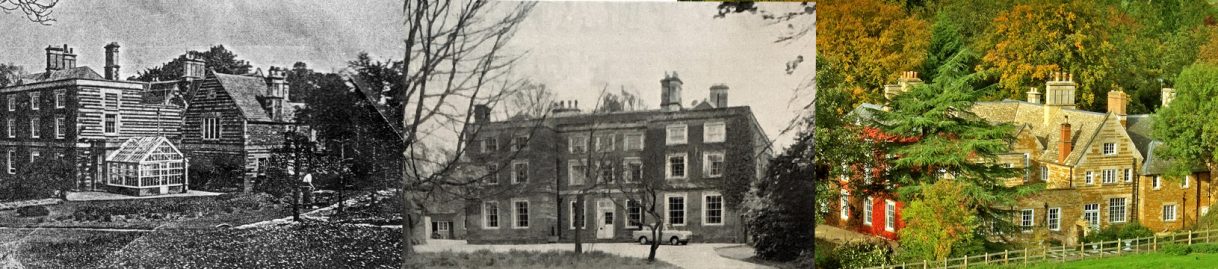
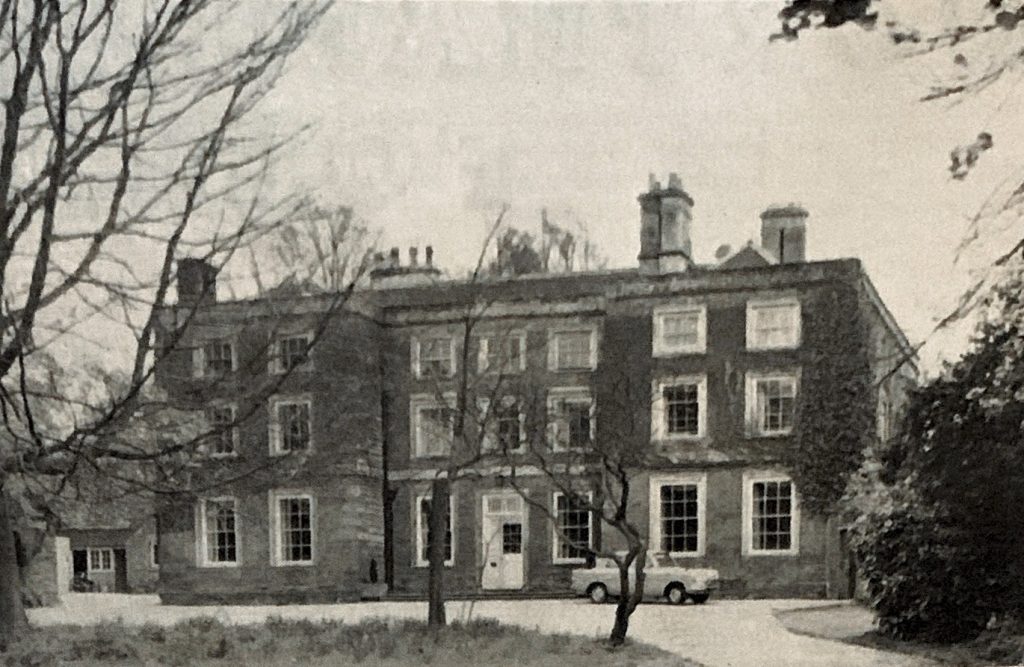
The oldest part of Bury House (renamed Cottingham Hall in 2000) was built in the 1690s, with new sections added in the Georgian era (1760) and the early Victorian era.
According to The Place Names of Northamptonshire (Gower, Mawer and Stenton, 1933), the name Bury House literally means Manor House, with the word Bury having been derived from the Old English word for a fortified place burh, which later came to denote a fortified manor house.
Built to a double-depth plan, it is of three storeys, constructed of squared coursed limestone and ironstone with ashlar facades and Swithland slate roofs. Some second floor windows are blind. The main staircase is as old as the house and the elevation set back to the left of the main front dates from about 1715.There are some fine 18th century eight-panelled doors and the drawing-room possesses a fine reset 18th century fireplace with detailed columns. Its casement windows and lean-to porch are 19th century, and the panelled hall dates from around 1810.
Owners and Occupants
1700s, The Medlycots (Medlicotts)
The first known occupants of Bury House were the Dove family. Then, around 1710, Mrs Dove sold the house to Walter Medlycot, a prosperous London lawyer, who afterwards became a serjeant at law, a superior type of barrister appointed by Royal Writ. John Bridges in his History and Antiquities of the County of Northamptonshire (1741) states that ‘The Berystead is a Manor House…in the possession of Thomas Medlycot Esquire, by his father’s purchase from Mrs. Dove.’
There is a plaque at the front end of the village church to former Lord of the Manor, Thomas Medlycott (died 1761) erected by one of his two daughters, Barbara. Barbara (who married George Hill) and her own daughter went on to become major landowners in Cottingham. Interestingly, Thomas Medlycott actually had a third daughter, Elizabeth Cooke who was, according to his will, ‘born of the body of my housekeeper, Judith Cooke.” The will left Elizabeth and Judith £4,000 and £500 respectively.
Bury House is said to be haunted by the ghost of a female servant from the Medlycott times, who is said to have been pushed from an upstairs window by the butler. Since then, her uniformed shadow has haunted the area, looking for justice. She has also been sighted in Bury Close, at the Hunting Lodge and around Orchard House on the other side of the High Street.
1832 – 1882, The Pery-Knox-Gores
Around 1832, Bury House was absorbed into the Pery family‘s Cottingham Estate. At the time of the 1841 Census, it was occupied by The Hon. Mrs, Elizabeth Charlotte Pery, although on census night she and her husband were away from home visiting their Irish landholdings. Their youngest daughter, Eleanor, aged 5, was being looked after at Bury House by seven servants, a typical Victorian ‘skeleton’ staff, with the gardener Sarah Simpson and her family living in Bury Gardens, which were most likely the servants cottages in the grounds.
By 1847, Perys had sublet Bury House to Philip Duncombe Pauncefort-Duncombe, a gentleman of private means, but The Hon. Elizabeth Pery reclaimed the house around 1858. When the 1861 Census was taken, she was living at Bury House aged 61 giving her status as ‘widow’, her standing as `landed proprietor’ and her place of birth as Rushton [Hall], Northamptonshire. She lived there with her daughter Elizabeth who, at 35, would have been considered perilously close to being ‘on the shelf. These two ‘above stairs’ residents were tended by a parlour maid, a house maid and a cook. Other servants, such as a butler and a housekeeper, would have come in `by the day’.
1882 – 1897, Rev. Harry John Bigge
Elizabeth Pery continued to live at Bury House until her death in 1882, aged 83. Her son and heir, Edmund Henry Cockayne Pery, who lived mostly on his Irish estate at Coolcronan Ballina, County Mayo, then leased Bury House to his brother-in-law, the Rev. Harry John Bigge, ‘Clerk in Holy Orders’ of Hallaton Hall, near Uppingham, Rutland, who had married Edmund Pery’s sister, Elizabeth.
A copy of this lease survives today in Northamptonshire Record Office. It refers to ‘The Bury House and 13 acres of land lying in Fountain, Dovecote and Long Closes’. Bigge was to lease ‘the whole of the Cottingham Estate in Cottingham and Middleton’ and to hold the same ‘for the rest of his natural life’ from 6 April 1884 for £600 a year, which was an extraordinarily favourable rent. His obligations were few, although he was required to paint every seven years ‘the exterior and interior of the Bury House, stables and outbuildings with two coats at least of good oil colour’ and to ‘insure the whole for not less than £5,000 with the Mercantile Insurance Office’. Under the terms of the Ground Game Act of 1881 he and ‘his servants and friends’ enjoyed the right to ‘hunt, kill and destroy the Game upon the said estate’.
Rev Bigge had been ordained priest by the Bishop of Peterborough in 1841 and served as Rector of Rockingham from 1847 to 1877. When his father died, he inherited a large fortune and enjoyed a substantial annual income. Like many a monied clergyman before and since, he found that he had a great deal of time on his hands. He devoted some of this to writing. His published works included: On Monuments in Churchyards, The Warming and Ventilation of Churches, Historical and Architectural Notifies of Rockingham Castle and various papers read before the Northamptonshire Architectural Society.
Rev. Bigge died at Bury House, on 13 November 1897 and was buried in Cottingham, churchyard on 17 November 1897.
Early 1900s, Colonel George Eustace Ripley
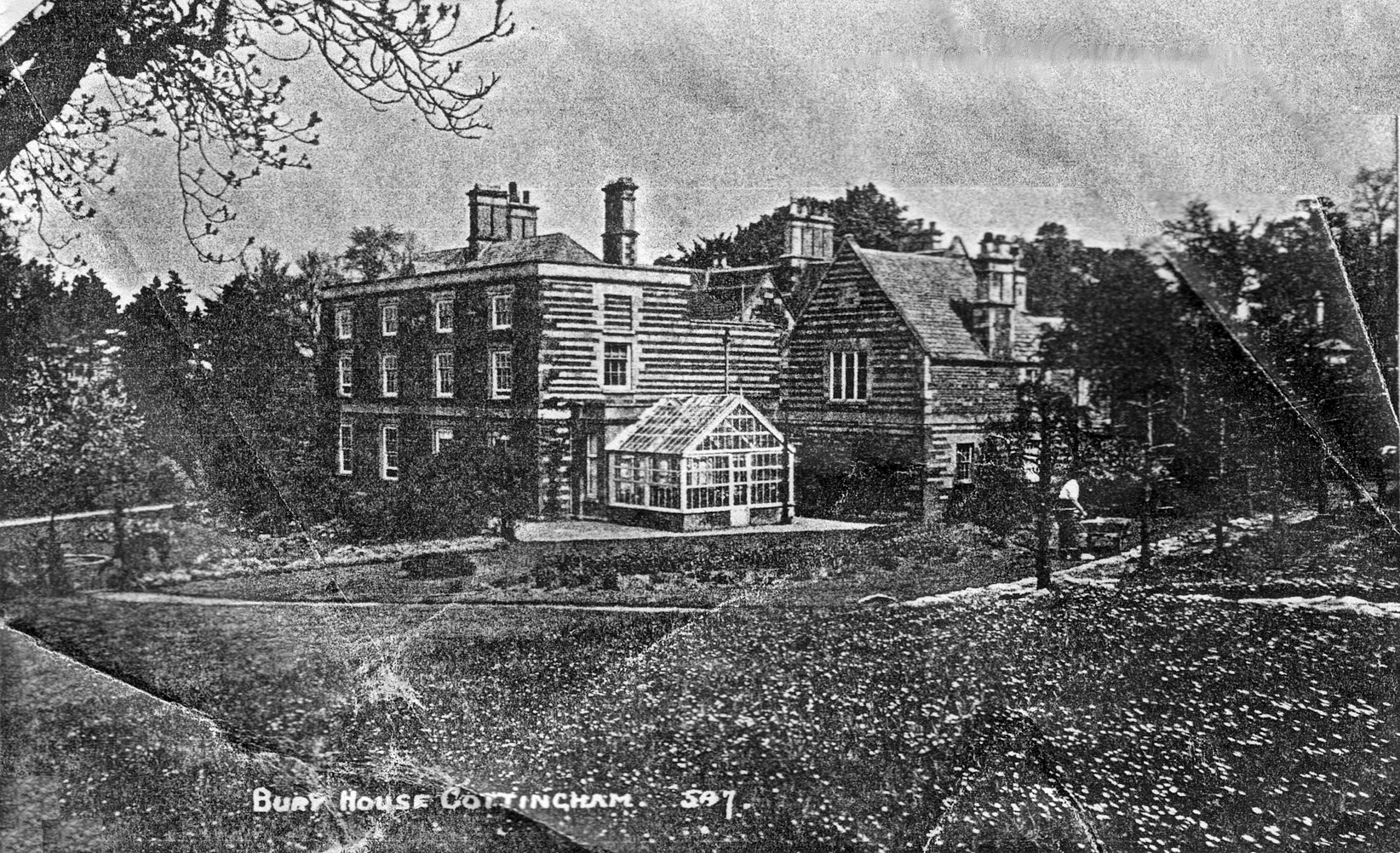
When the census enumerator came calling in April 1901, he found Bury House standing closed and unoccupied. It was acquired a few months later by Charles Grenville Mansel, an army colonel who served many years in British India, and then in 1910 by another army man, Colonel George Eustace Ripley, who saw action in the Boer War.
Colonel Ripley was born in 1864, the third son of Canon Ripley of Earlham Hall, Norfolk and was educated at Rugby School. In 1896, he married Violet Sartoris of Rushden Hall and the couple moved to Bury House in 1902.
He was a professional soldier and, although he had reluctantly retired just a few months previously, at the outbreak of the First World War (aged 50), he applied to be reinstated and was given command of the Northamptonshire Regiment’s newly created 6th Battalion in October 1914.
The battalion embarked for the Somme on 26 July 1915. Soldiers of the 6th included James Simpson and William Claypole of Cottingham. The battalion’s first tours of duty were relatively quiet, the main threats being mines, though the Germans mounted a surprise trench raid on 29 December 1915. In March he was wounded by a stray shell and evacuated to England to recover, but returned to the battalion in June 1916 to lead his troops over the top.
While leading the battalion in the assault on Thiepval on 26 September 1916, a German shell exploded next to him, shattering his right arm which had to amputated at a base hospital. His wife, Violet, went out to France with just two servants to bring her husband back to England but, tragically, tetanus set in and he died of heart failure in London just three weeks later on 16 October 1916.

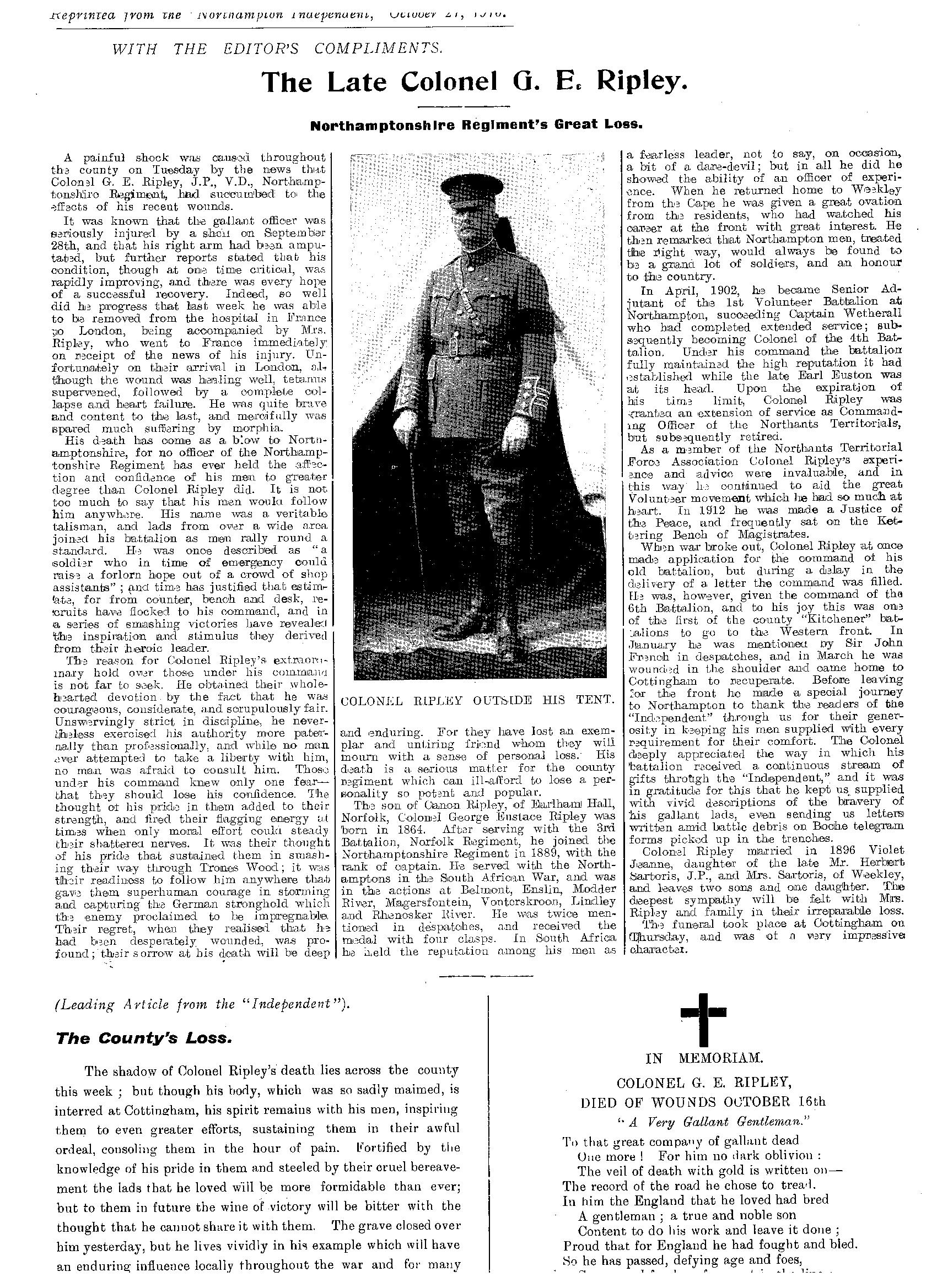
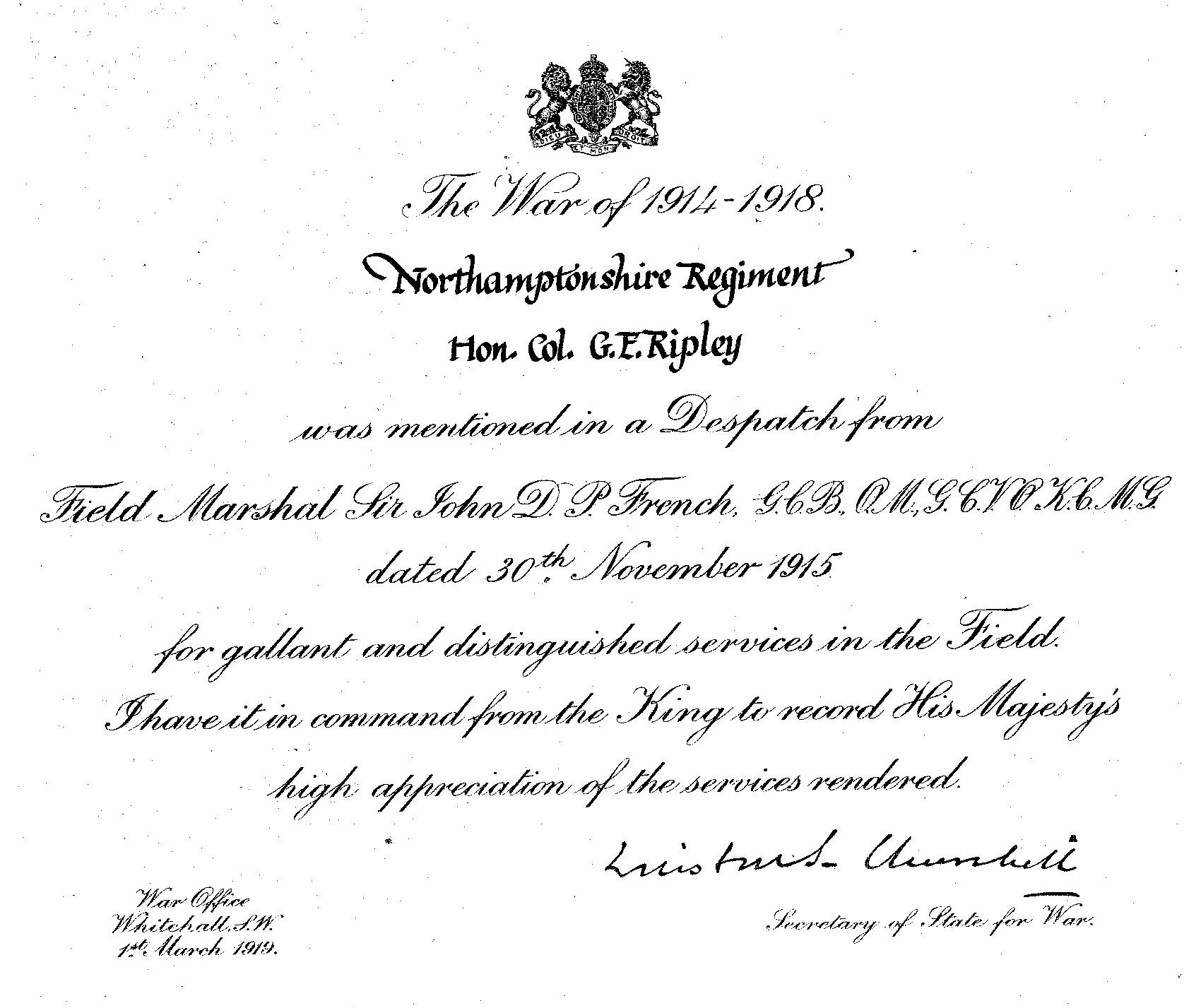
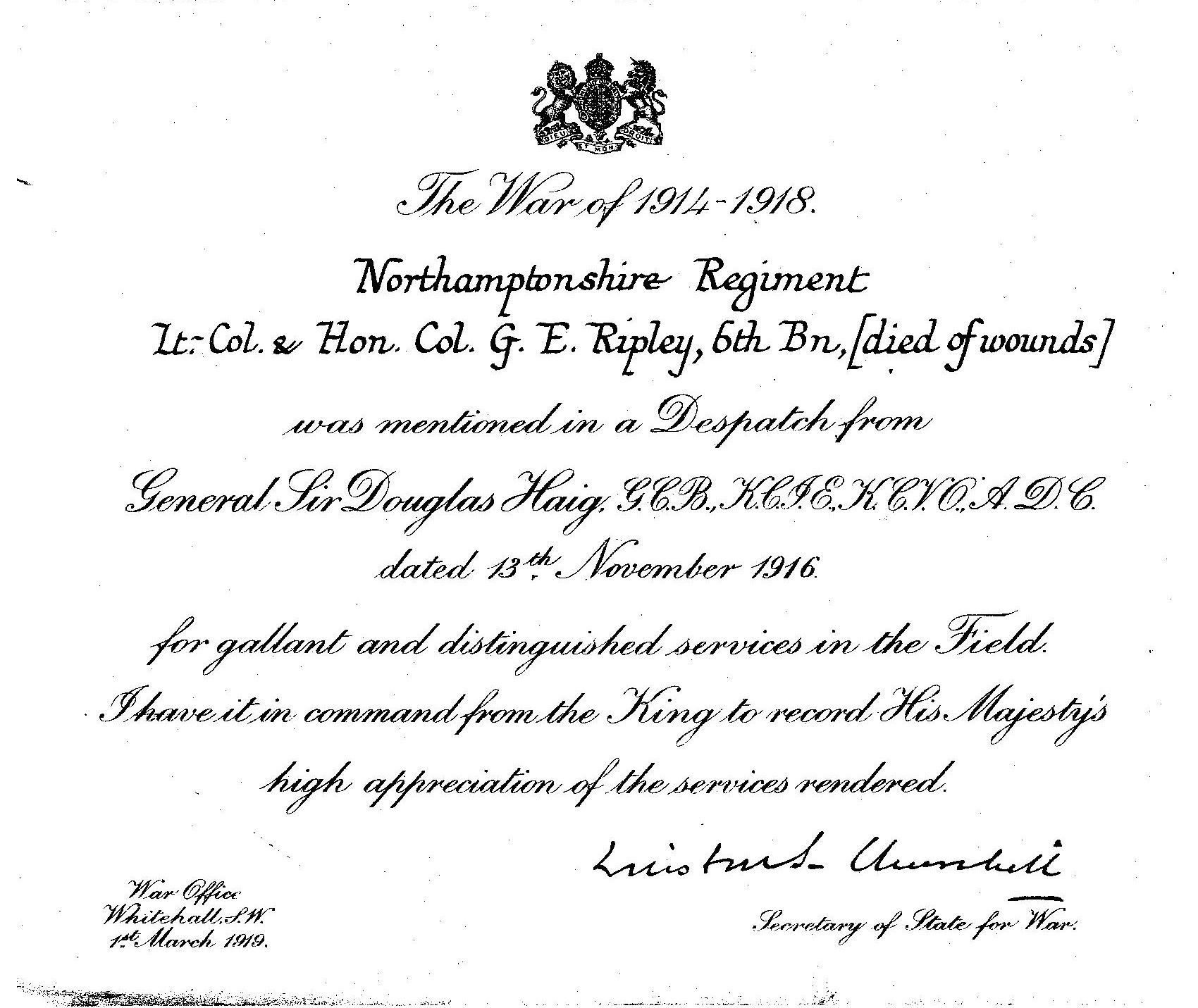
Colonel Ripley is buried in Cottingham churchyard and his grave is designated a Commonwealth War Grave. There is also a window in his memory in St Sepulchre’s Church, Northampton. Twice mentioned in despatches, the many testimonials made by officers and men of the 6th Battalion showed that he was held in great esteem and affection. He was survived by his wife, their sons Joseph and Roderick and a daughter. Mrs Ripley outlived her children, dying in 1973 at the age of 96.
Colonel Ripley’s grandson, George Burr, whose late mother was born at Bury House on 29 September 1911, tells us “When my grandmother died, I visited my grandfather’s grave as I had always been charged by her to scatter her ashes on his grave. It took me ages to find it on a desperately wet day blowing a gale. Being a trifle upset, and not thinking too brightly, I tried scattering her ashes into the gale – a considerable amount went onto and into me, but she probably wouldn’t have been unhappy at that!”
For more information, see www.cottinghamsoldiers.org.uk/biogs/RipleyGeorgeE.html
1918–1950s, Captain George Fredrick Lucas
By the end of the First World War in 1918, Bury House was again standing empty. It seems by this date to have fallen into a state of disrepair and was still unoccupied in 1924. The sales particulars and photographs below are from 1922, when the estate seems to have been reduced in price from £5,000 to £3,000!
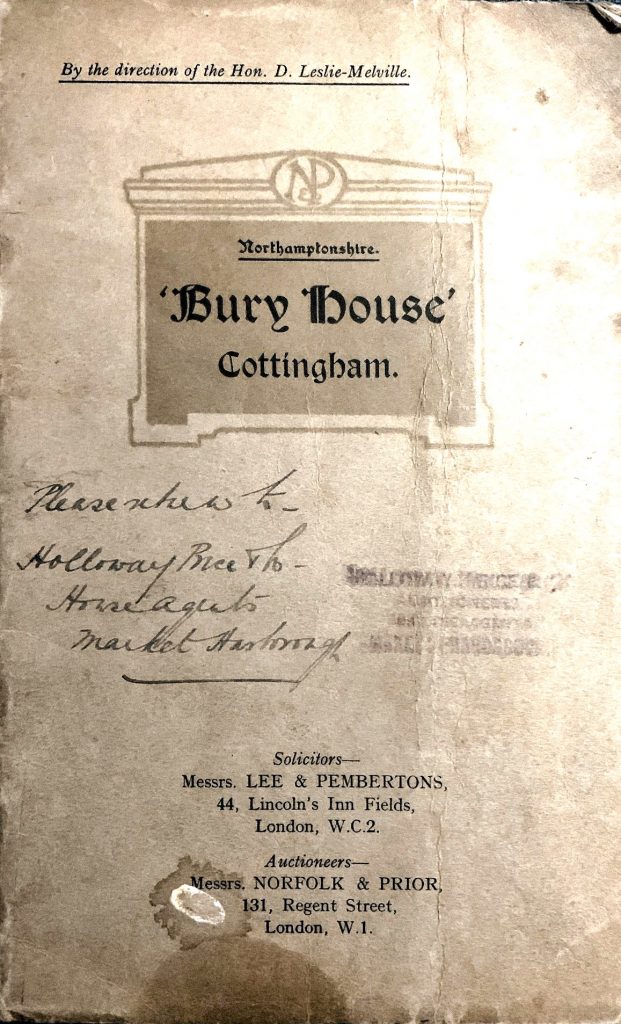
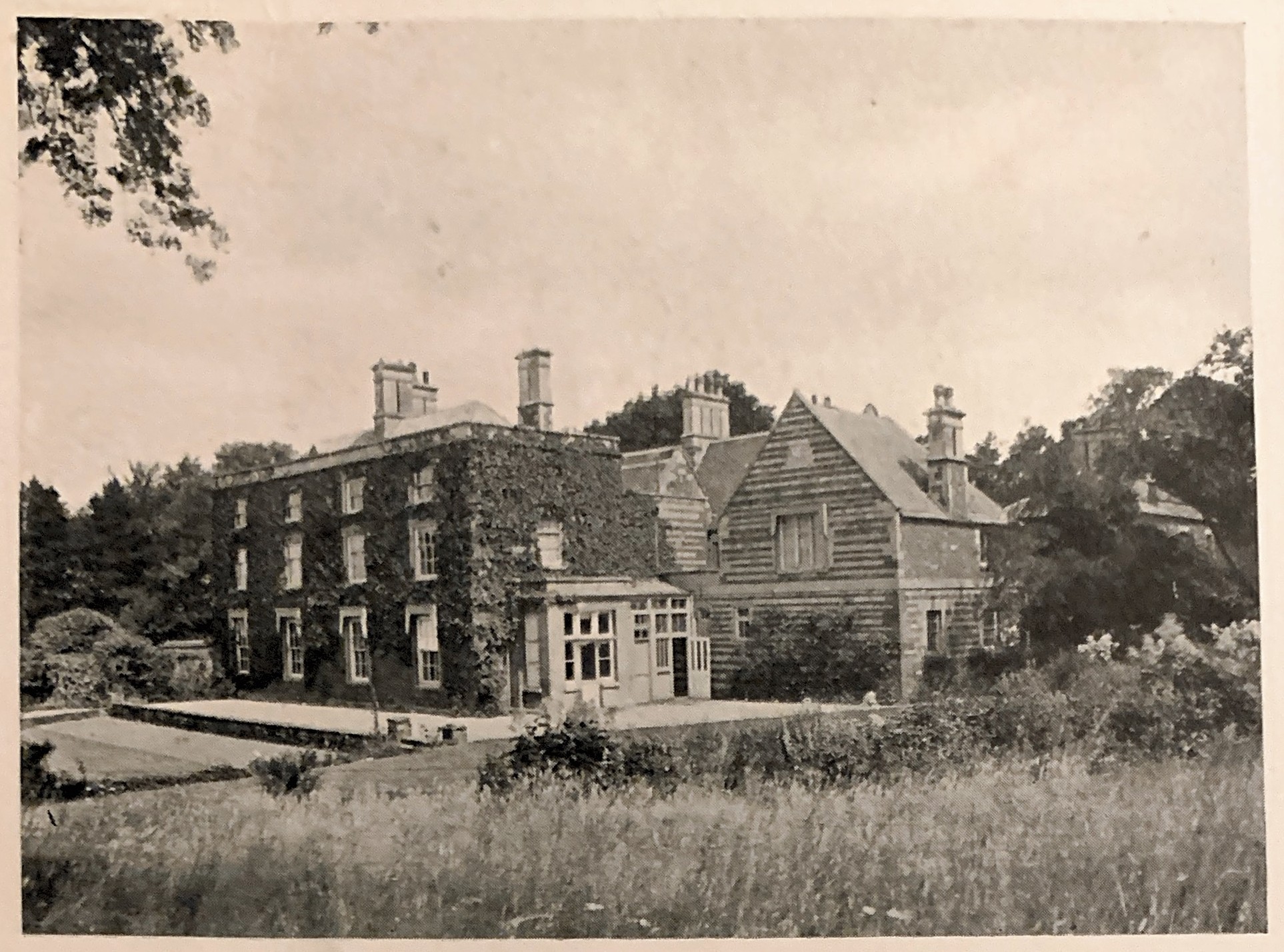
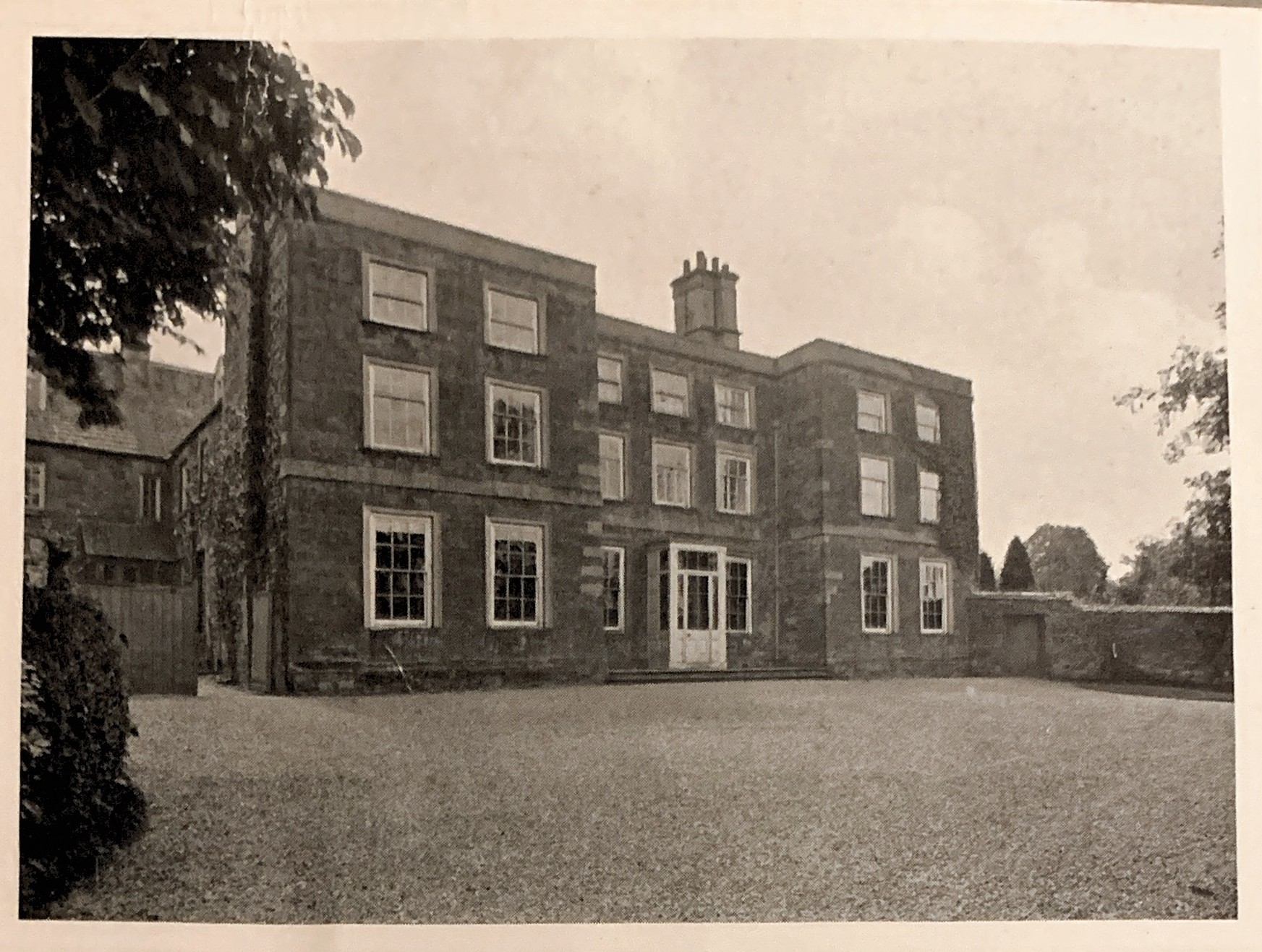
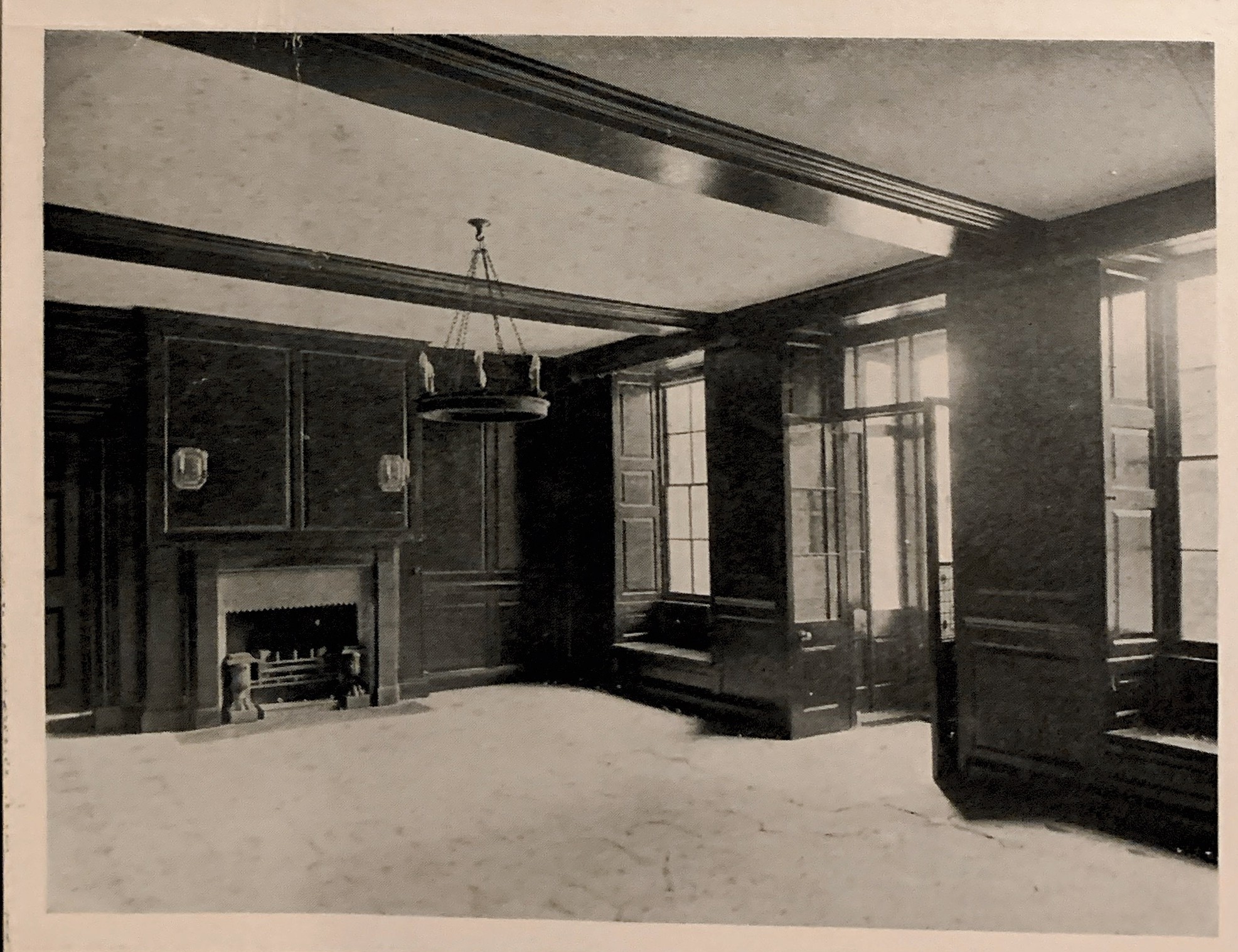
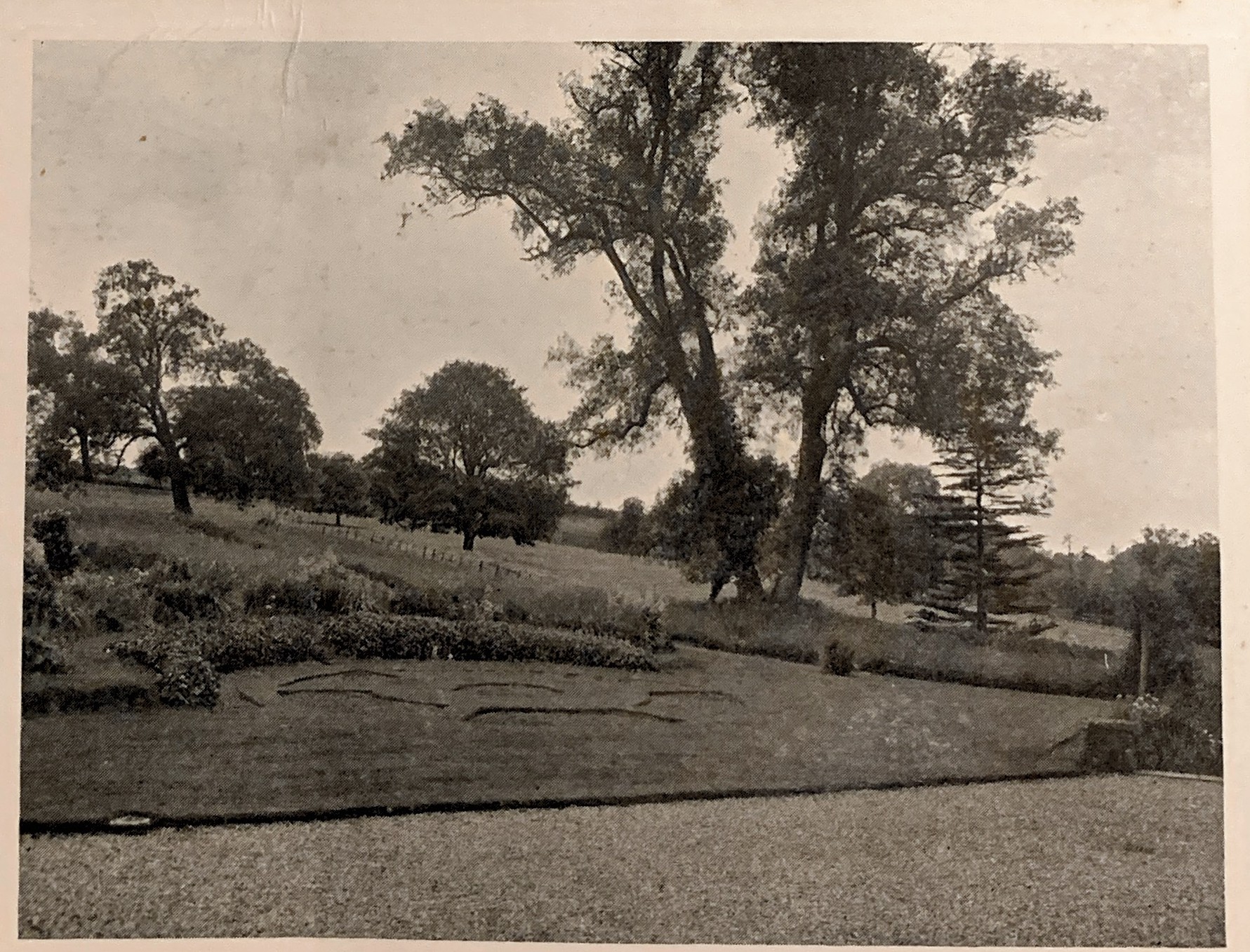
Bury House was rescued from its decline in 1929 by Captain George Frederick Lucas, when he gave up the legal profession to become Joint Master of the Woodland Pytchley Hunt, alongside Captain GE Bellville.


The following is an extract from Captain Lucas’ book, ‘Memoirs of an Undistinguished Man’, published in 1955. Recalling his first visit to Bury House, Captain Lucas says:
“It was a beautiful little (!) house, with about 20 acres of pasture and garden, and two of the most attractive features were the panelled entrance hall with a stone floor picked out in black squares, and the oak panelled dining room (pictured above). “It was rumoured that a former owner of the property, wishing to improve the seating in the church, had presented the Rector with rush seated chairs and removed the old oak pews, which he subsequently used for panelling his house.
“The inside was quite up to date, as the seller had done it up thoroughly, and intended to live in with a relation who was a keen hunting man. Soon after the agreement was arrived at the relation was unfortunately killed in the hunting field and the other owner being unable to carry on alone, decided to sell. The garden was almost derelict. There would be no lack of employment if anyone wished to reclaim the garden from the wilderness, and this was the deciding factor…
“We still live in it and love it after 26 years, though the staff has gone down from nine to three and one sometimes wonders whether it was worth the toil and expense of keeping the place warm and habitable.”
Everyday Life at Bury House
Former villager Irene Beadsworth (nee Ansell) recalls how she moved into the Bury House cottage in 1948 with her mother (Frances) and father (Albert), when she was just six years old.
Says Irene: “My dad was gardener at Bury House, and he also chauffered Captain Lucas, accompanied him when he went out shooting and bred gun dogs. On one occasion, there were three litters of puppies being looked after at the same time. For all of that, he earned just £5 a week. My mum also used to spend a day cleaning and a day cooking at Bury House – and she wasn’t paid at all for that, but we did get to live in the cottage rent free!”
Irene and her family lived at Bury House for around four years, and later moved to Barrack Yard off Corby Road.
1960s–2000, The Freestones
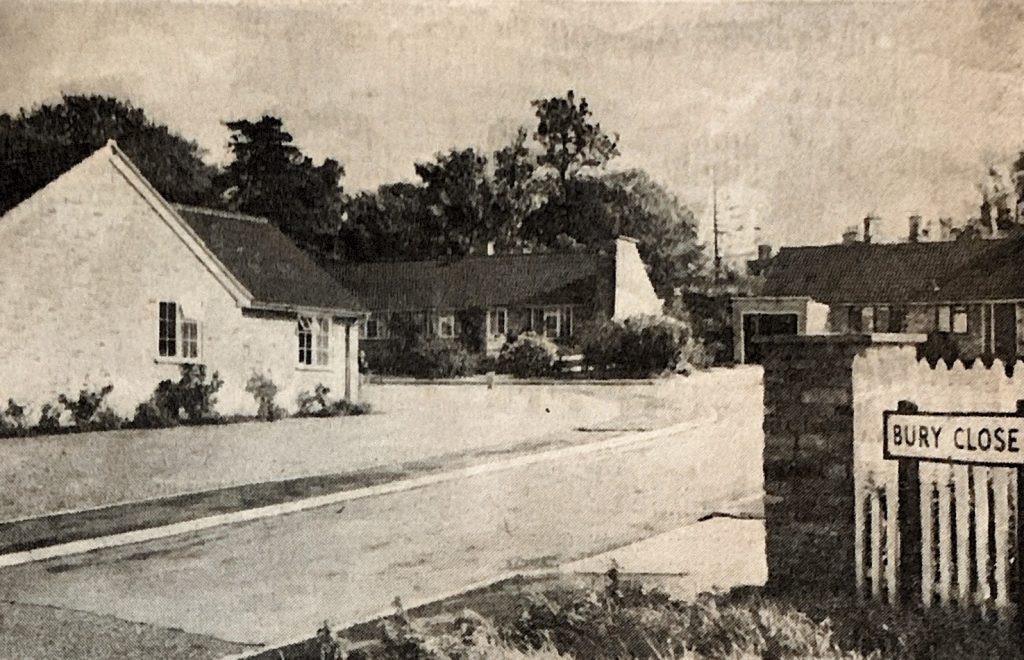
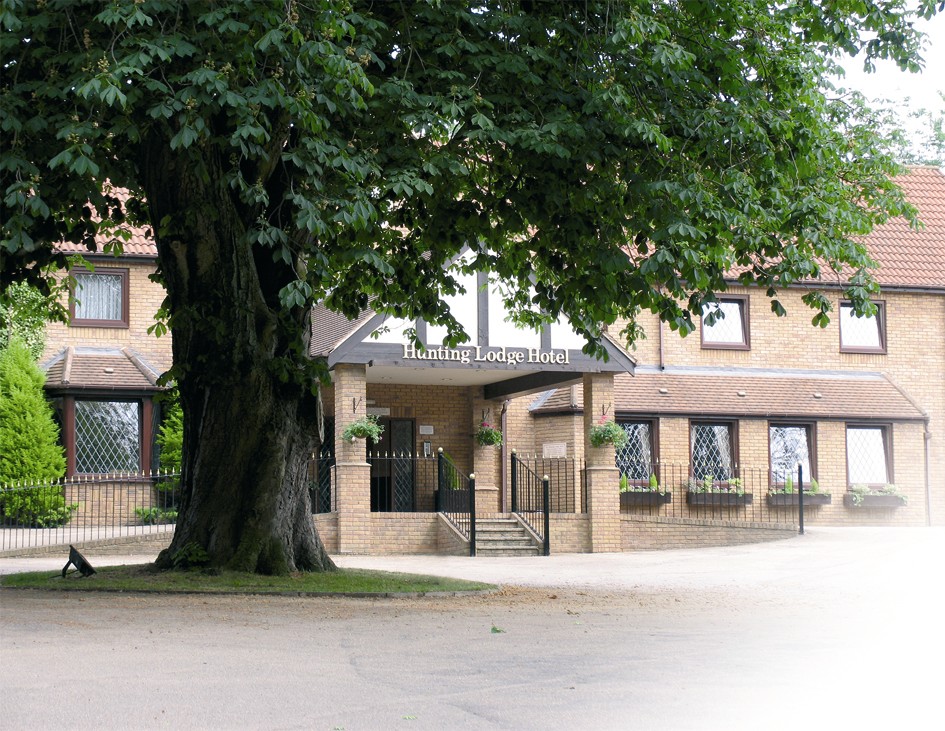
John and Mary Freestone purchased Bury house in 1960 along with all the stables, outhouses and the Spinney. Once again, the house was in disrepair. John would go on to build Bury Close on the land where the Spinney stood, and converted the stables and outbuildings into the Hunting Lodge Hotel, housing the Golden Guinea Casino.
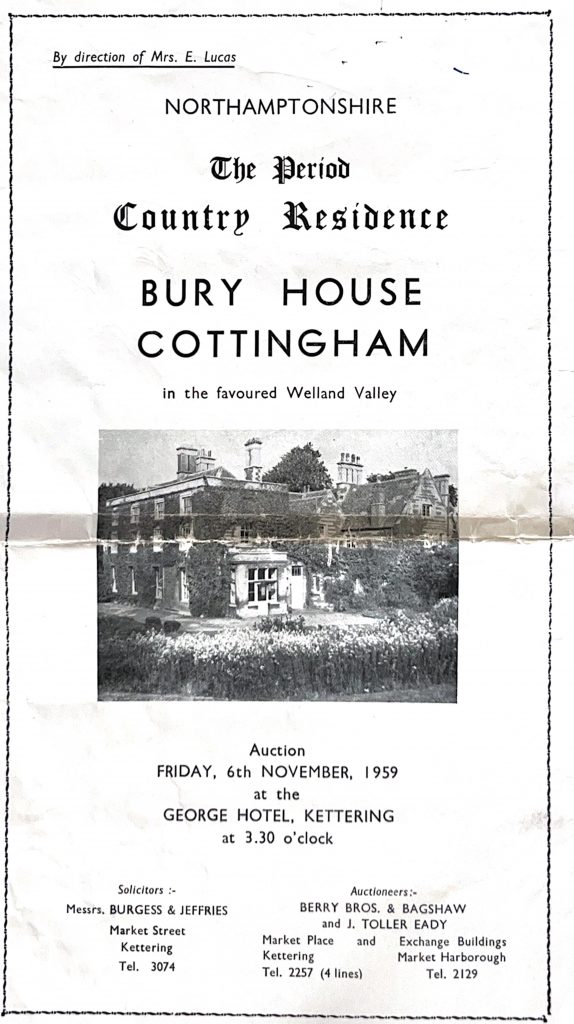
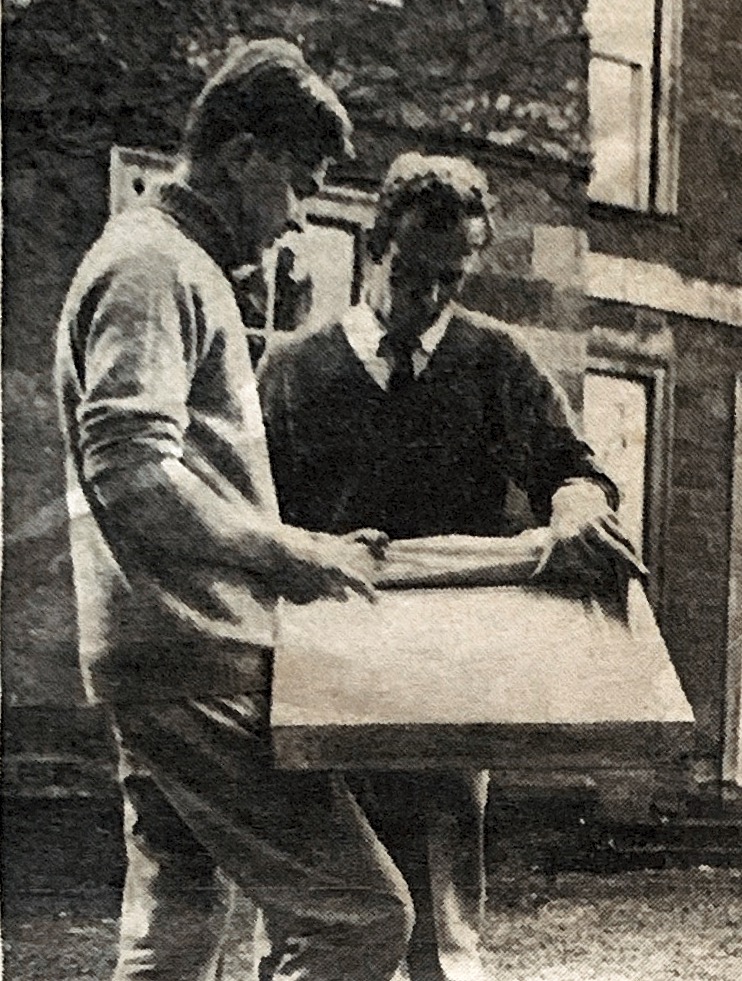
Evening Telegraph October 1968
Mary Freestone lived at Bury House there for 40 years and moved out in 2000.