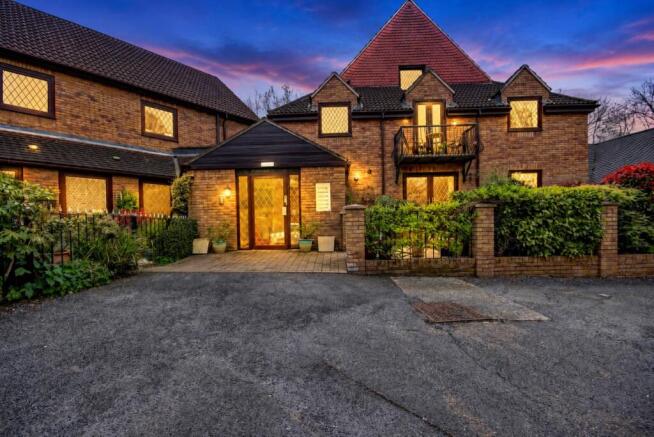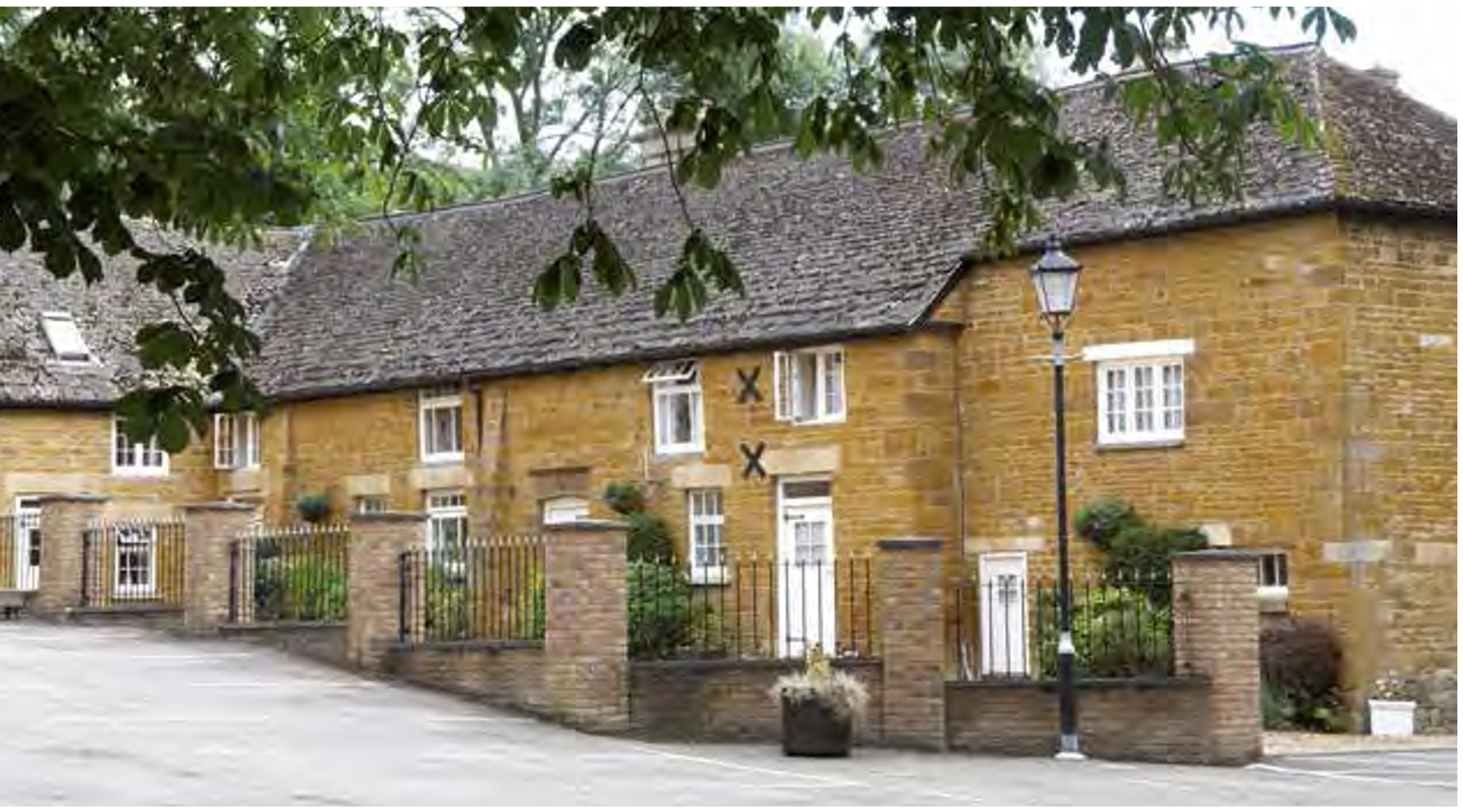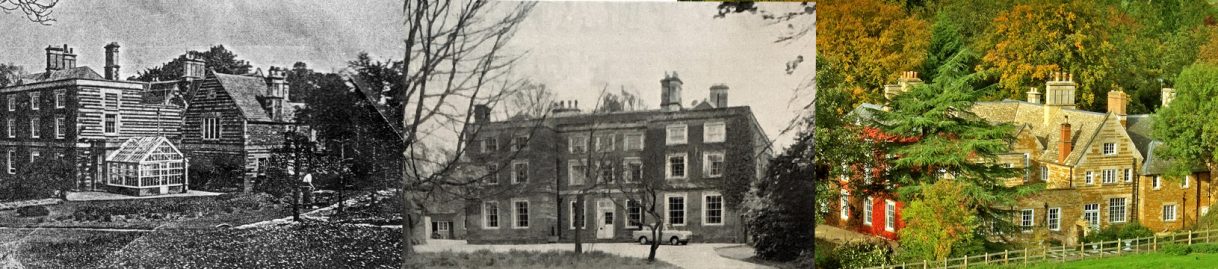
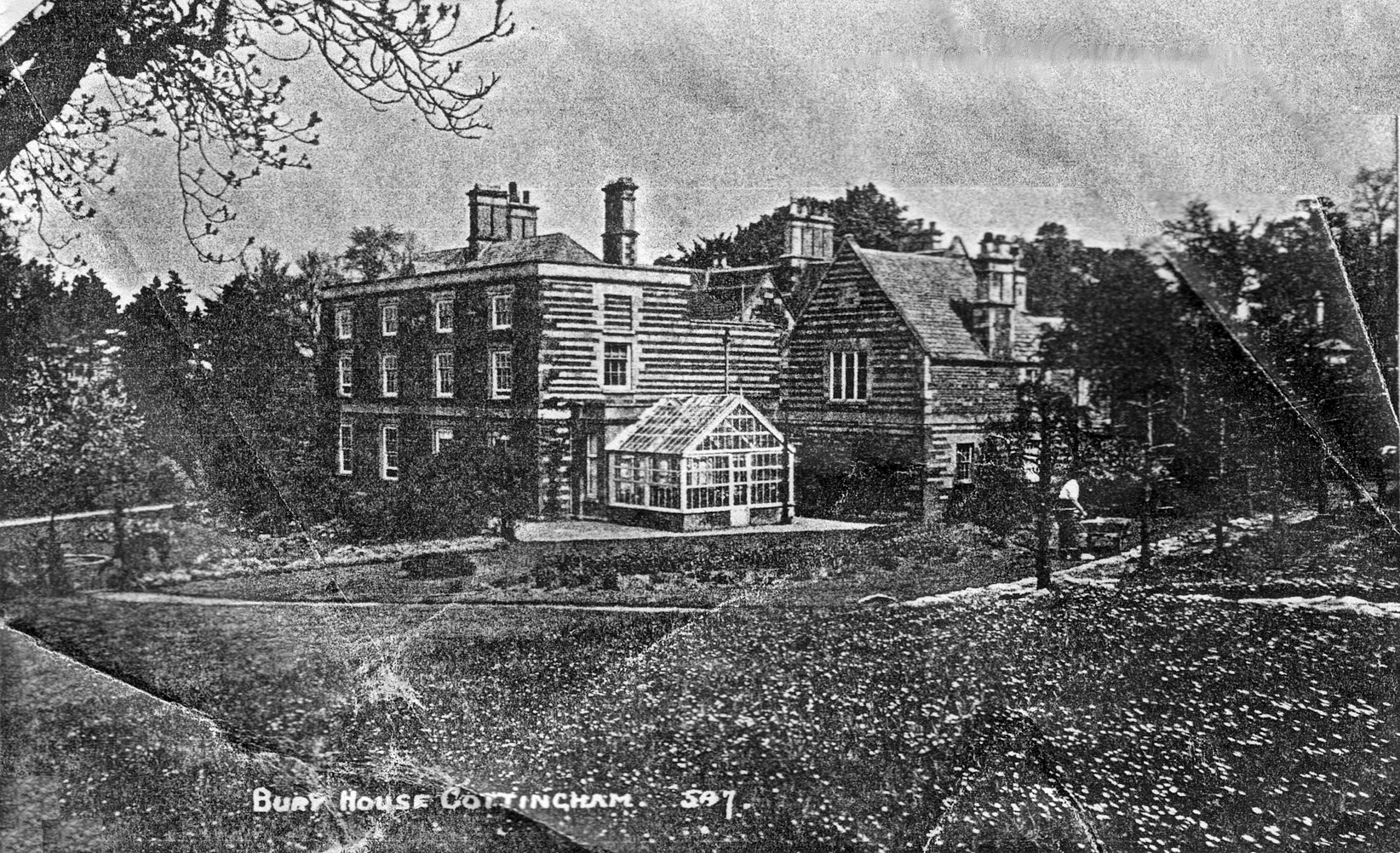
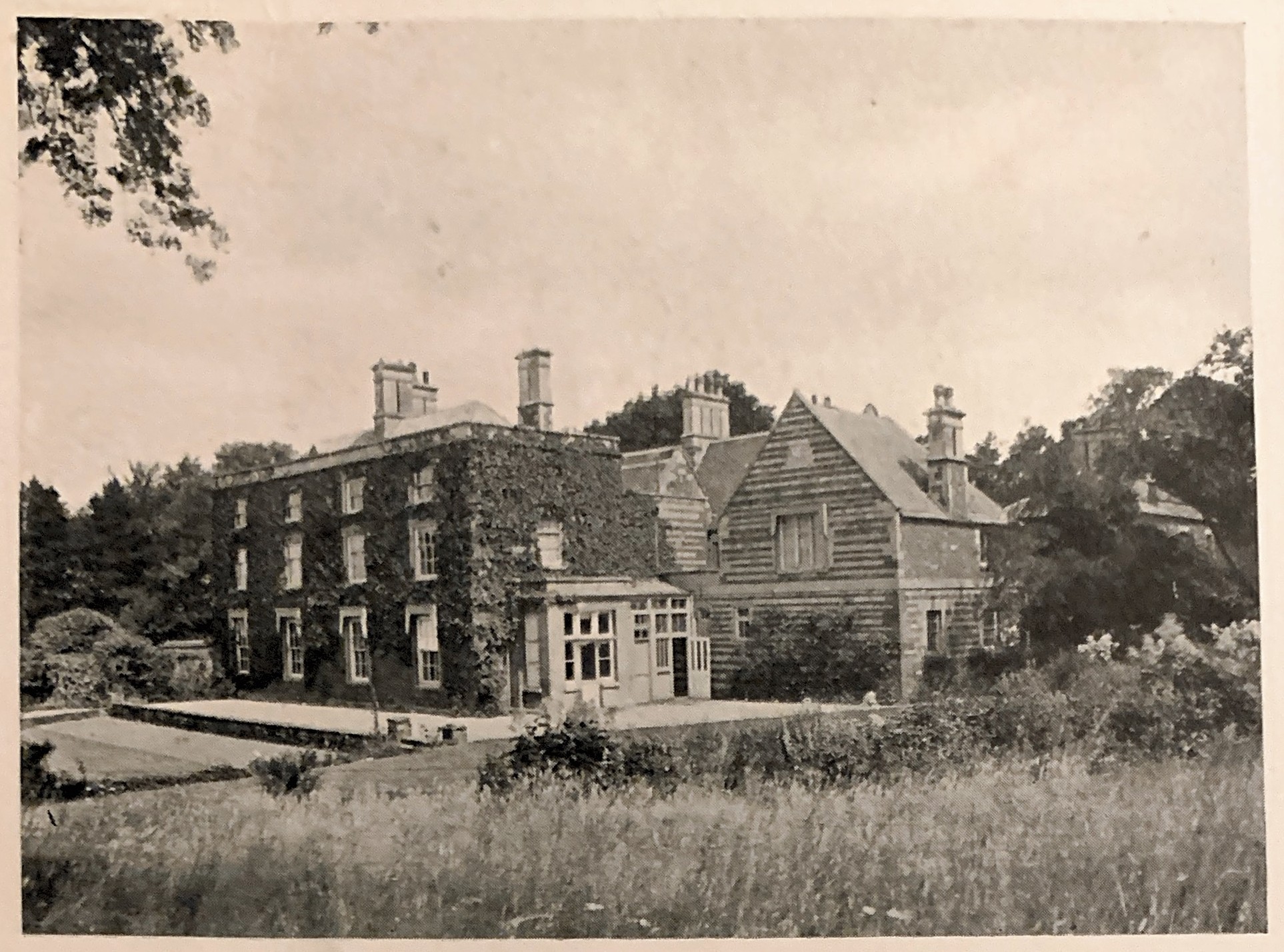
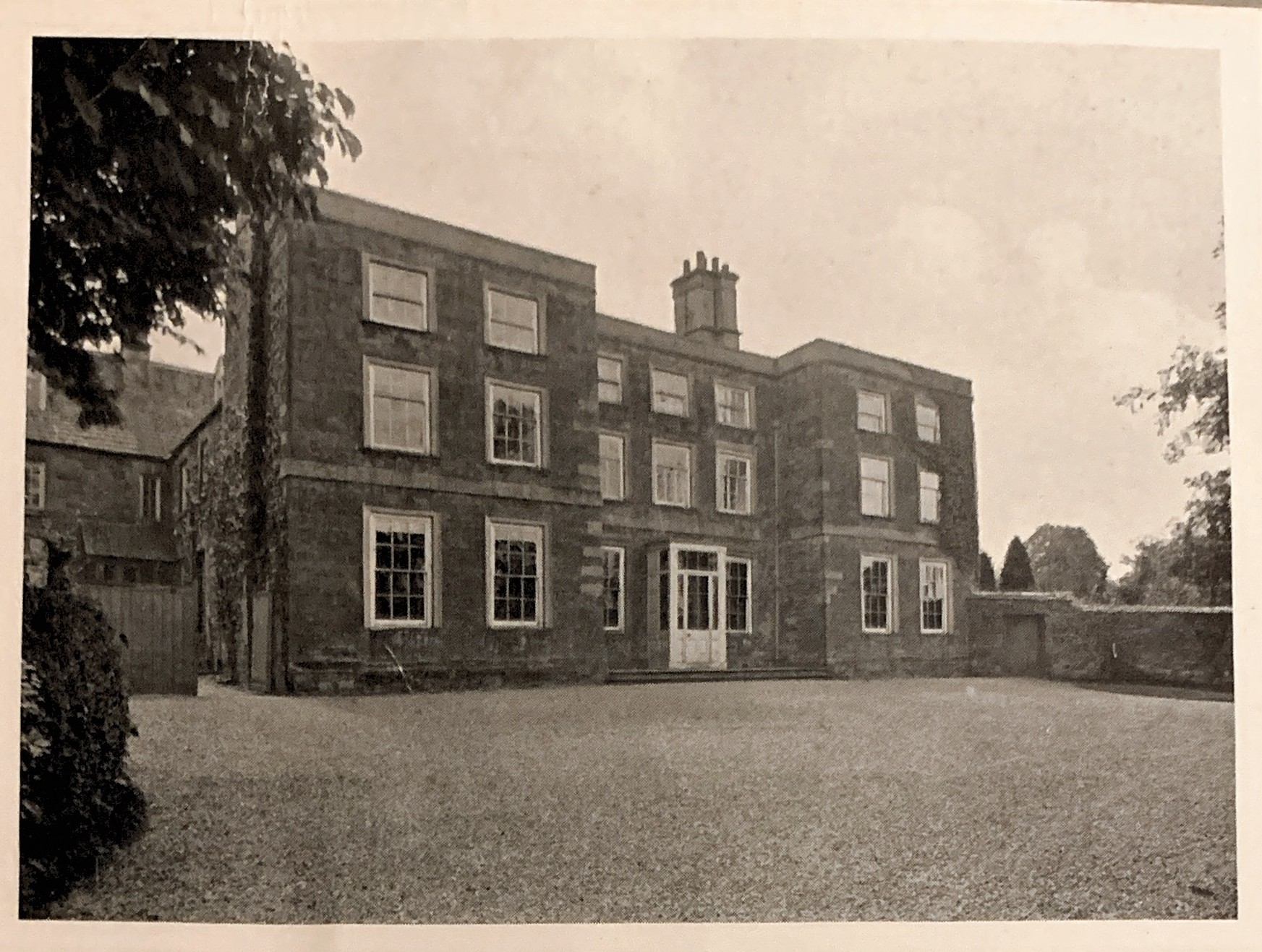
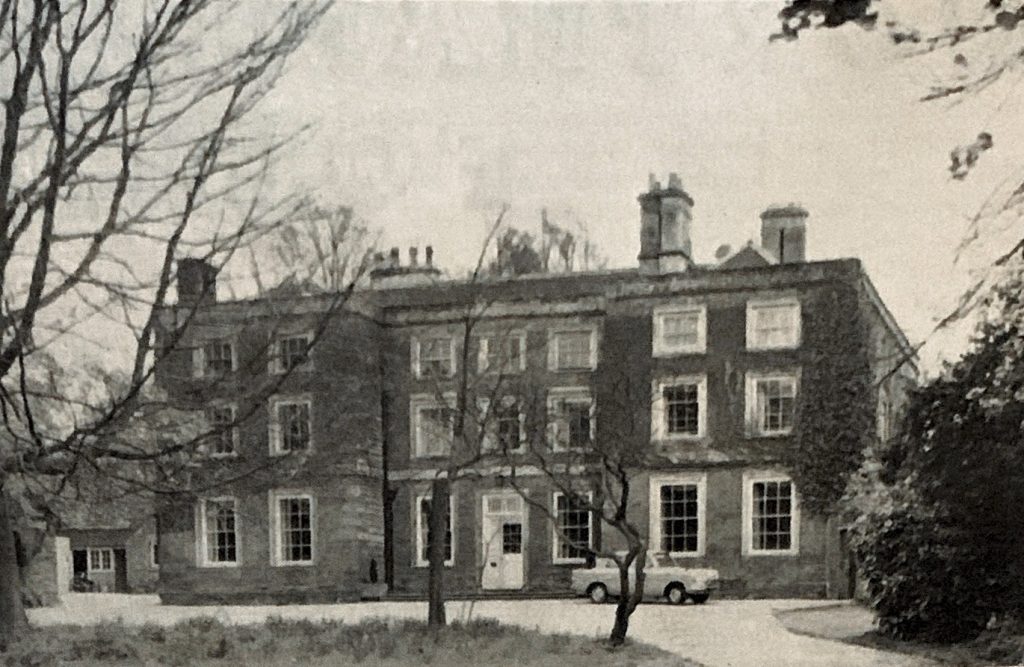
Bury House (renamed Cottingham Hall in 2000) dates back to the 1690s, when it was built as an L-shaped, 2.5 storey property on land to the south of Cottingham High Street. The pictures above are from (left to right) c1900, 1969 and c2000.
In the Georgian era (c1760), a new wing was added to the west to give the house a symmetrical frontage and the building was raised to a full three storeys. It was further modified in the early Victorian era (1835) by the then widowed Hon. Mrs Barbara Cockayne Medlycott (see below).
The attics are floored with gypsum-plaster laid on reeds and feature a corridor circling around the outer walls enclosing a number of small back-to-back chambers separated by plaster stud walls, that would have been used for servant accommodation and storage. Some of the second floor windows are blind.
‘The Bury House’ achieved Grade 2* listing on 25 October 1951. View Historic England listing.
Why ‘Bury House’?
According to The Place Names of Northamptonshire (Gower, Mawer and Stenton, 1933), the name Bury House literally means Manor House, with the word Bury having been derived from the Old English word for a fortified place burh, which later came to denote a fortified manor house.
The Bury House ghost
Bury House is said to be haunted by the ghost of a female servant from the Medlycott times, who is said to have been pushed from an upstairs window by the butler. Since then, her uniformed shadow has haunted the area, looking for justice. She has been sighted in Bury Close, at the Hunting Lodge and around Orchard House on the other side of the High Street.
Development of Bury House
1700s – 1838, The Medlycotts (Medlicotts)
The first known occupants of Bury House were the Dove family. Then, around 1710, Mrs Dove sold the house to Walter Medlycott, a prosperous London lawyer who afterwards became a serjeant at law, a superior type of barrister appointed by Royal Writ.
Thomas Medlycott (c1694–1761)
John Bridges in his History and Antiquities of the County of Northamptonshire (1741) states that ‘The Berystead is a Manor House…in the possession of Thomas Medlycott Esquire, by his father’s purchase from Mrs. Dove.’
Thomas’ wife Anne died young (in her 30s) in 1736 after giving birth to two daughters. It would seem Thomas did not remarry, but he did have a third daughter, Elizabeth Cooke who was, according to a 1760 codicil to his will: ‘born of the body of my housekeeper, Judith Cooke.’ His will left Elizabeth and Judith £4,000 and £500 respectively, which would have been a substantial amount of money in its day – the equivalent of £1.1 million and £138,000 respectively in today’s money.
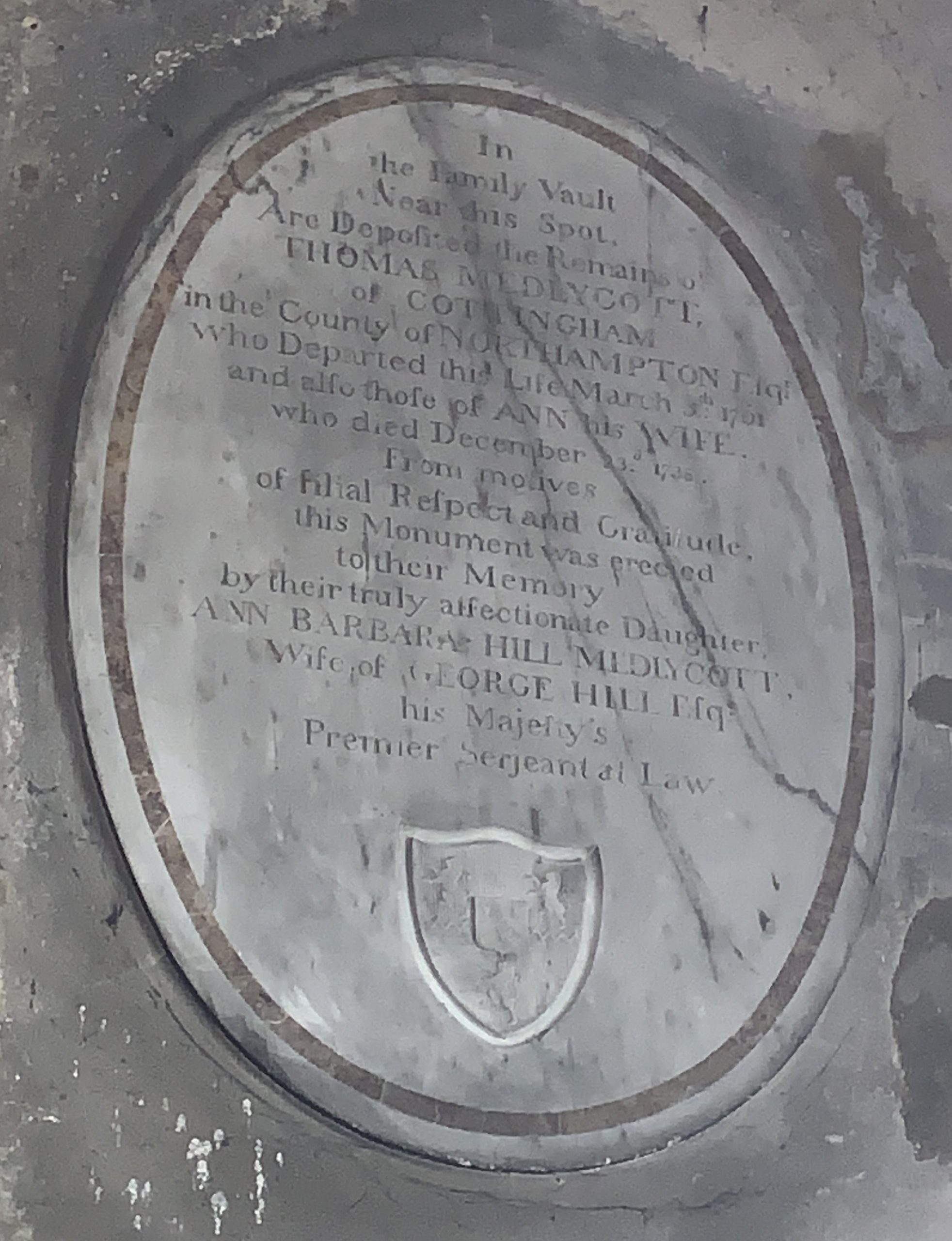
Thomas Medlycott died in 1761. He and his wife Anne are interred in the family vault at the village church and there is a stone plaque to their memory in the north east vestry, erected by the eldest of their two daughters Ann Barbara.
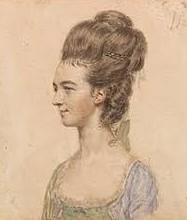
Ann Barbara Hill-Medlycott (1720-1800)
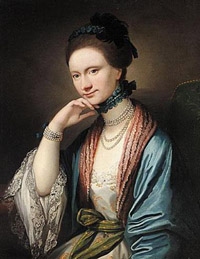
Ann Barbara Medlycott married distinguished lawyer and serjeant-at-law George Hill on 22 October 1744, in Holborn. From A Book About Lawyers by John Cordy Jeaffreson (2009), we learn that, on the morning of their wedding, ‘the eccentric serjeant’ had forgotten his most important engagement for the day and was receiving clients in his chambers until a band of devoted friends forcibly carried him to the church, where his bride had been waiting for him more than an hour.
His wife empowered an Act of Parliament to retain her maiden name to become Ann Barbara Hill-Medlycott, and many a time her husband indignantly insisted that she should use his name in her signatures. Having outlived the lady, Hill observed to a friend who was condoling with him on his recent bereavement: “Ay, my poor wife is gone! She was a good sort of woman in her way, a very good sort of woman…But I’ll tell you something in confidence. If ever I marry again, I won’t marry merely for money.” The learned serjeant died aged 93 without having made a second marriage.
Barbara Cockayne Medlycott (1753-1838)
Barbara was the eldest of seven daughters born to Ann Barbara Hill-Medlycott and George Hill. She married the Hon. William Cockayne on 11 October 1777 and she, like her mother before her, would later adopt the Medlycott name and arms by Act of Parliament in 1801, to become the Hon. Barbara Cockayne Medlycott. She eventually became the sole heiress to her grandfather Thomas Medlycott’s estates, including Bury House.
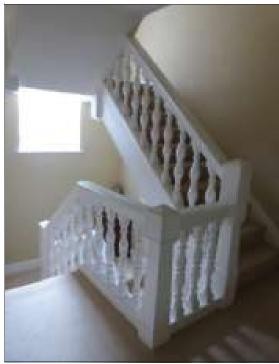
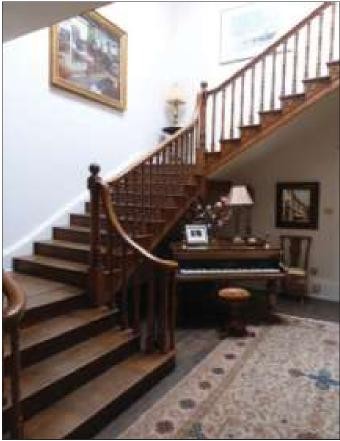
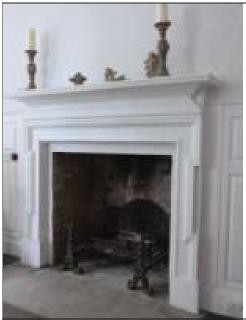
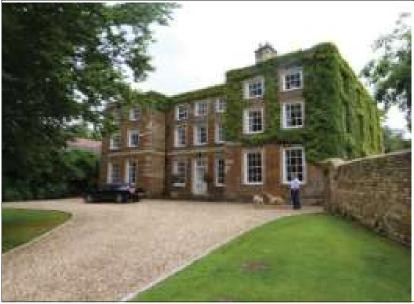
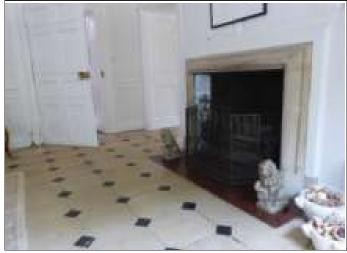
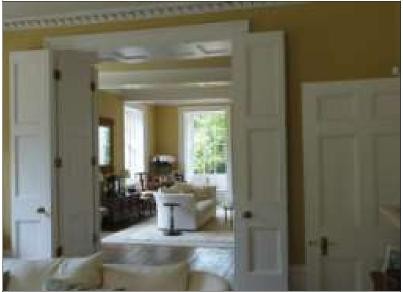
In 1835, the then widowed heiress made further modifications to the house, with designs drawn up by architect William Parsons. The rear of the house was mostly rebuilt at this time with banded ironstone walling having a mix of 12-paned sashed windows in the formal rooms, and small-paned transom windows and casements in the service rooms. An elegant new oak staircase was installed behind the entrance hall to reach the first floor, with an impressive oval skylight above it. At this point, the original 17th Century dog-leg staircase in the East Wing, which is as old as the house, became a servants’ stair, being the only way to reach the second floor. The pictures below are taken from the draft Conservation Area Appraisal document, prepared by historian Peter Thornborrow for Corby Borough Council in 2015.
1838 – 1882, The Pery Family, Cottingham Estate
Following Mrs Medlycott’s death in 1838, Bury House was absorbed into the Pery family’s Cottingham Estate. Edmond Sexton Pery and his wife Elizabeth Charlotte Pery (nee Cockayne) moved into Bury House and went on to raise seven children there.
At the time of the 1841 Census, Edmond and Elizabeth were away from home visiting their Irish landholdings. Their youngest daughter, Eleanor, aged 5, was being looked after at Bury House by seven servants, a typical Victorian ‘skeleton’ staff, with the gardener Sarah Simpson and her family living in Bury Gardens.
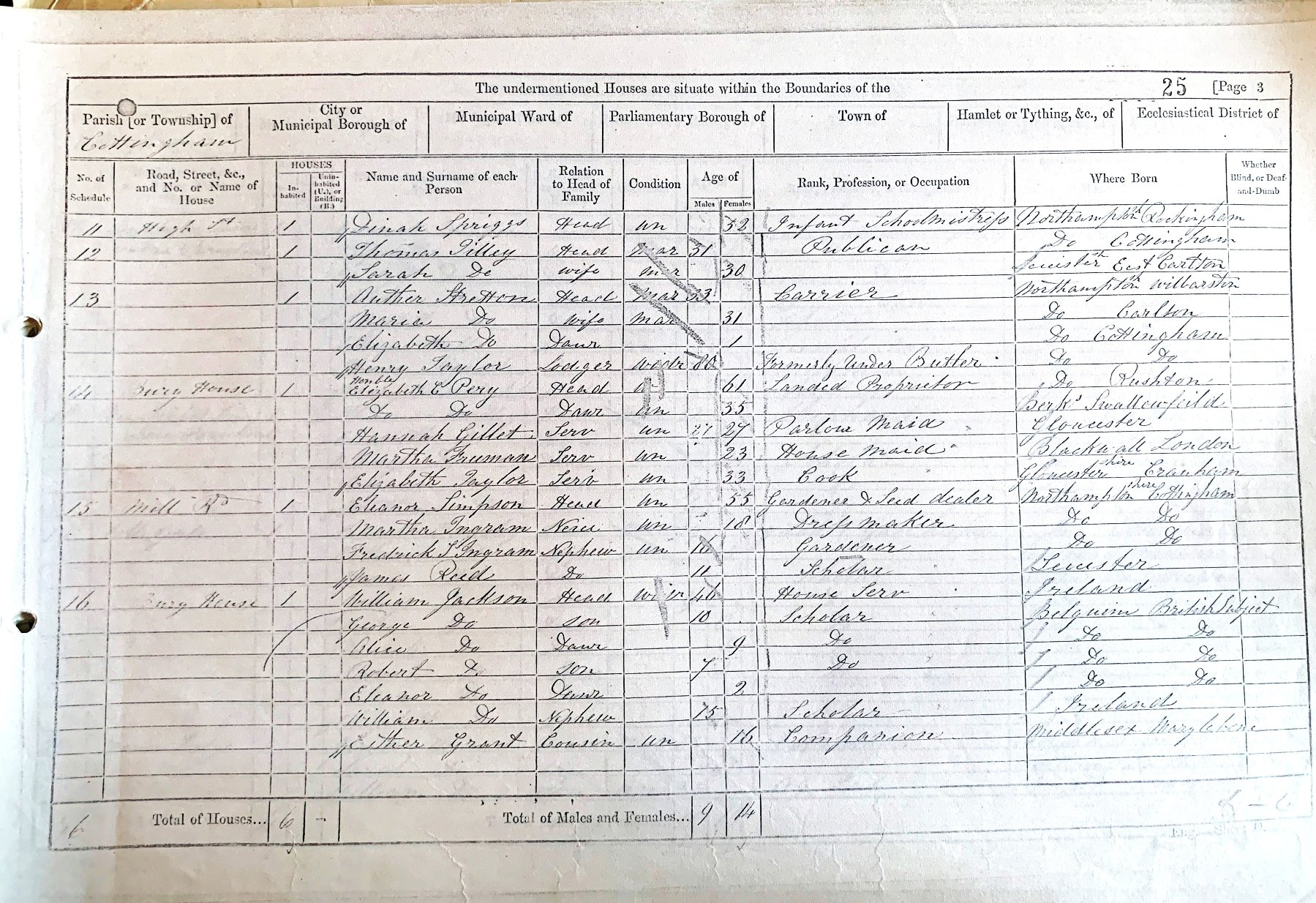
By 1847, the Perys had sublet Bury House to Philip Duncombe Pauncefort-Duncombe, a gentleman of private means, but they moved back into the house around 1858. Elizabeth’s husband died in 1860 and, when the 1861 Census was taken, she was living at Bury House aged 61 giving her status as ‘widow’, her standing as `landed proprietor’ and her place of birth as Rushton [Hall], Northamptonshire. She was living there with her eldest child Elizabeth who, at 35, would have been considered perilously close to being ‘on the shelf – but happily she married two years later in 1863. The two ladies were attended by a parlour maid, a house maid and a cook. Other servants, such as a butler and a housekeeper, would have come in `by the day’. The Hon Mrs. Pery is listed at Bury House in the 1870s Kelly’s Directory.
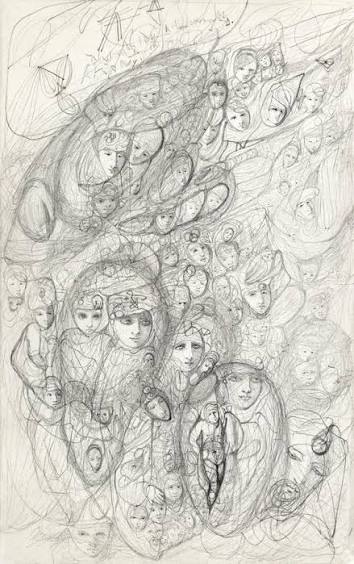
Another of Edmund and Elizabeth’s seven children, Alice Pery, became a celebrated artist. Living in The White House on the corner of School Lane (then known as Dag Lane), she chose a deeply private life away from her family, their opulent lifestyle and her Catholic upbringing. She lived alone among working class villagers and kept her identity a secret. She was a spiritualtist and began creating ‘mediumistic’ art in the early 1870s. She continued until her death in 1906, all the time using a pseudonym, if she signed her work at all.
1882 – 1897, Rev. Henry (Harry) John Bigge
Elizabeth Pery continued to live at Bury House until her death in 1882, aged 83. Her son and heir, Edmund Henry Cockayne Pery, who lived mostly on his Irish estate at Coolcronan Ballina, County Mayo, then leased the entire Cottingham Estate to his brother-in-law, the Rev. Henry (Harry) John Bigge, who was Clerk in Holy Orders of Hallaton Hall near Uppingham and had married Edmund Pery’s elder sister Elizabeth in 1861.
A copy of this lease survives today in Northamptonshire Record Office. It refers to ‘The Bury House and 13 acres of land lying in Fountain, Dovecote and Long Closes’. Bigge was to lease ‘the whole of the Cottingham Estate in Cottingham and Middleton’ and to hold the same ‘for the rest of his natural life’ from 6 April 1884 for £600 a year, which was an extraordinarily favourable rent. His obligations were few, although he was required to paint every seven years ‘the exterior and interior of the Bury House, stables and outbuildings with two coats at least of good oil colour’ and to ‘insure the whole for not less than £5,000 with the Mercantile Insurance Office’. Under the terms of the Ground Game Act of 1881 he and ‘his servants and friends’ enjoyed the right to ‘hunt, kill and destroy the Game upon the said estate’. Rev Henry Jn Bigge is listed at Bury House in the 1890 Kelly’s Directory.
Rev Bigge had been ordained priest by the Bishop of Peterborough in 1841 and served as Rector of Rockingham from 1847 to 1877, before retiring from active ministry in the late 1880s. He died at Bury House on 13 November 1897 and was buried in Cottingham churchyard on 17 November 1897. Elizabeth survived him by around three years, passing away in 1900.
1901-1918, Colonel George Eustace Ripley
When the census enumerator came calling in April 1901, he found Bury House standing closed and unoccupied. It was acquired a few months later by Charles Grenville Mansel, an army colonel who had served many years in British India (see 1903 Kelly’s Directory) and then by another army man, Colonel George Eustace Ripley, who had seen action in the Boer War.
Ripley, the third son of Canon Ripley of Earlham Hall, Norfolk, married Violet Sartoris of Rushden Hall in 1896 and they moved to Bury House sometime between 1903 and 1906 (see 1906 Kelly’s Directory). He was a professional soldier and, although he had reluctantly retired just a few months previously, at the outbreak of the First World War (aged 50), he applied to be reinstated and was given command of the Northamptonshire Regiment’s newly created 6th Battalion in October 1914.
While leading the battalion in the assault on Thiepval in The Somme on 26 September 1916, a German shell exploded next to him, shattering his right arm which had to amputated at a base hospital. His wife Violet went out to France with just two servants to bring her husband back to England but, tragically, tetanus set in and he died of heart failure in London just three weeks later on 16 October 1916.

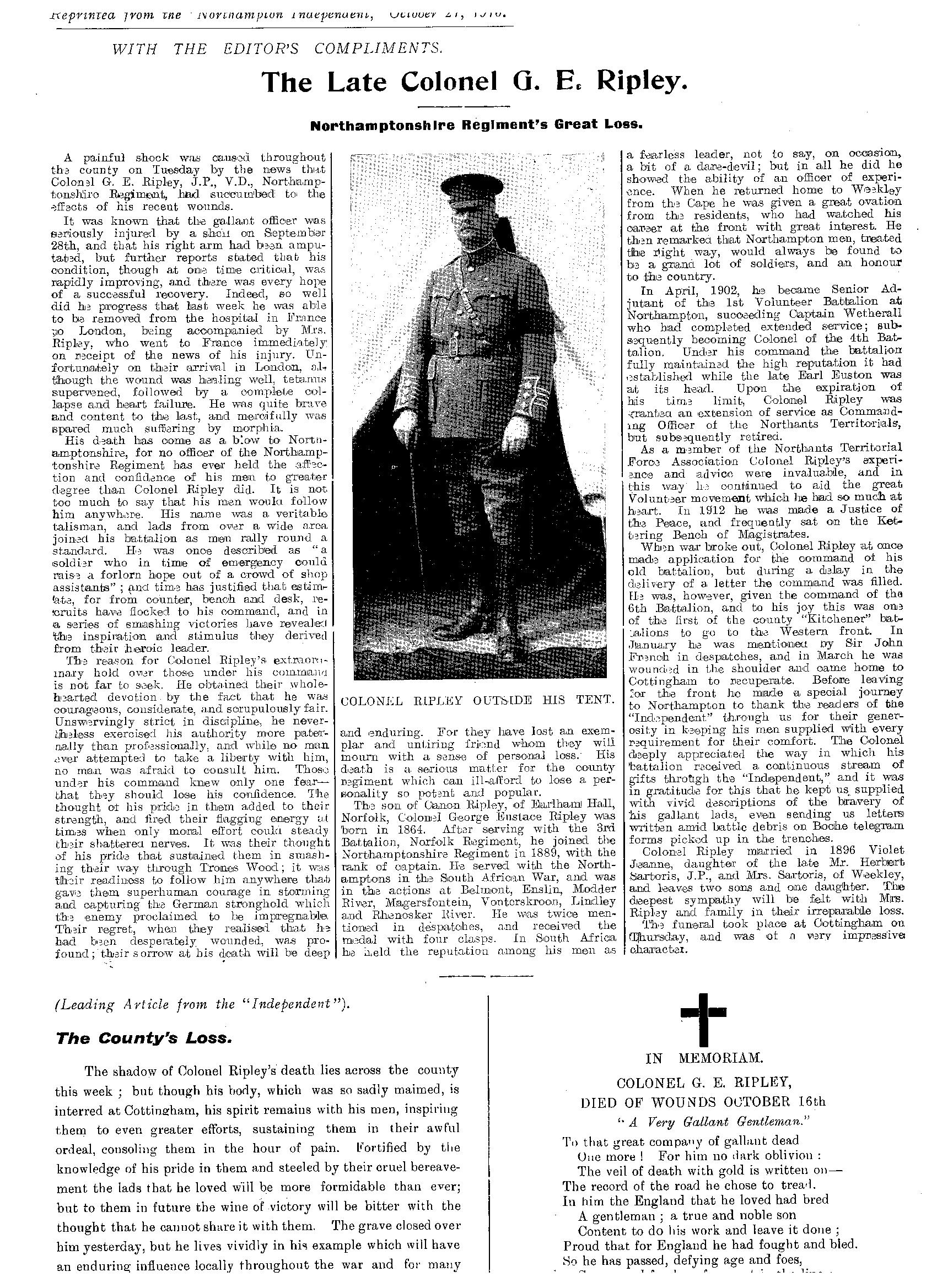
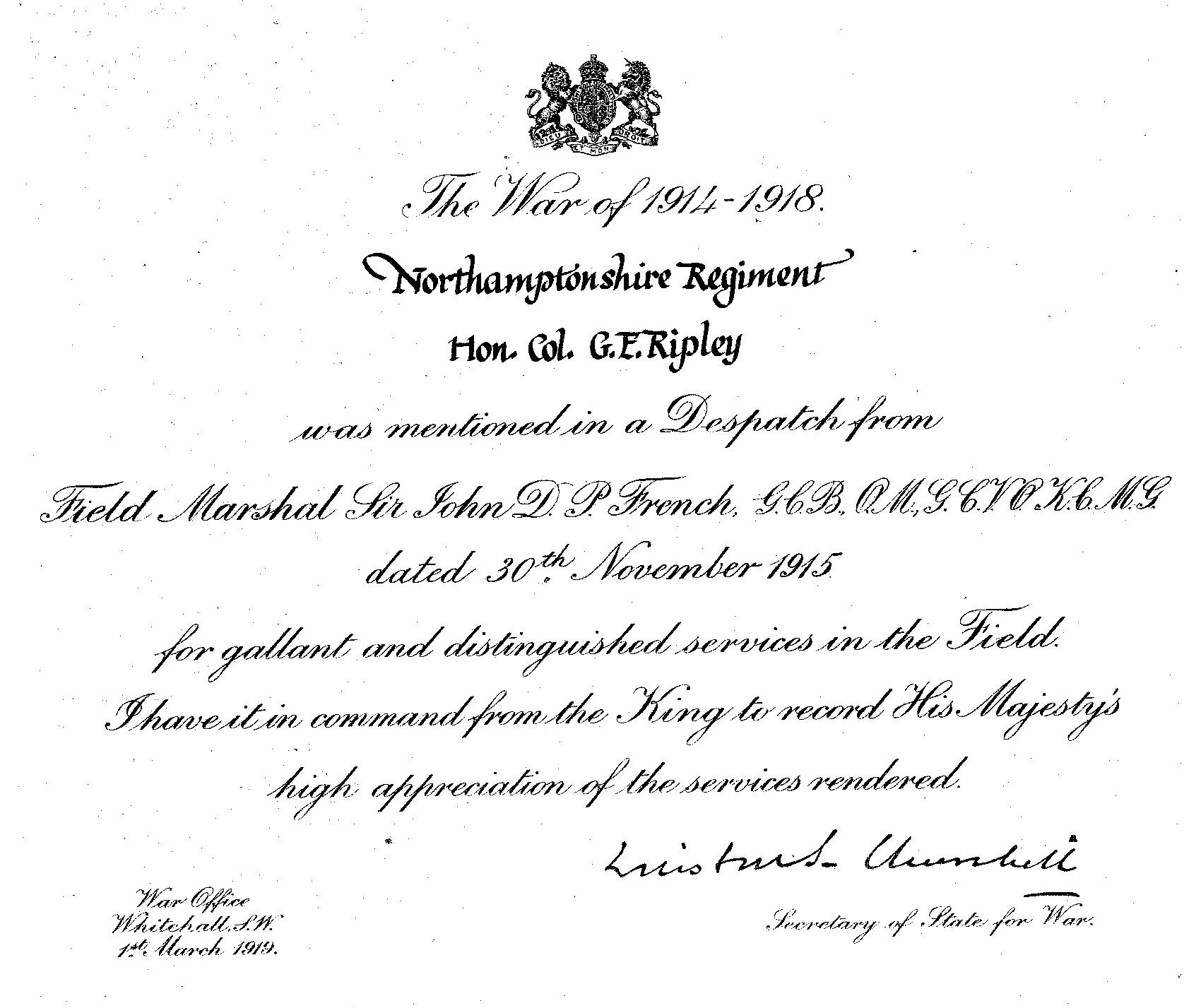
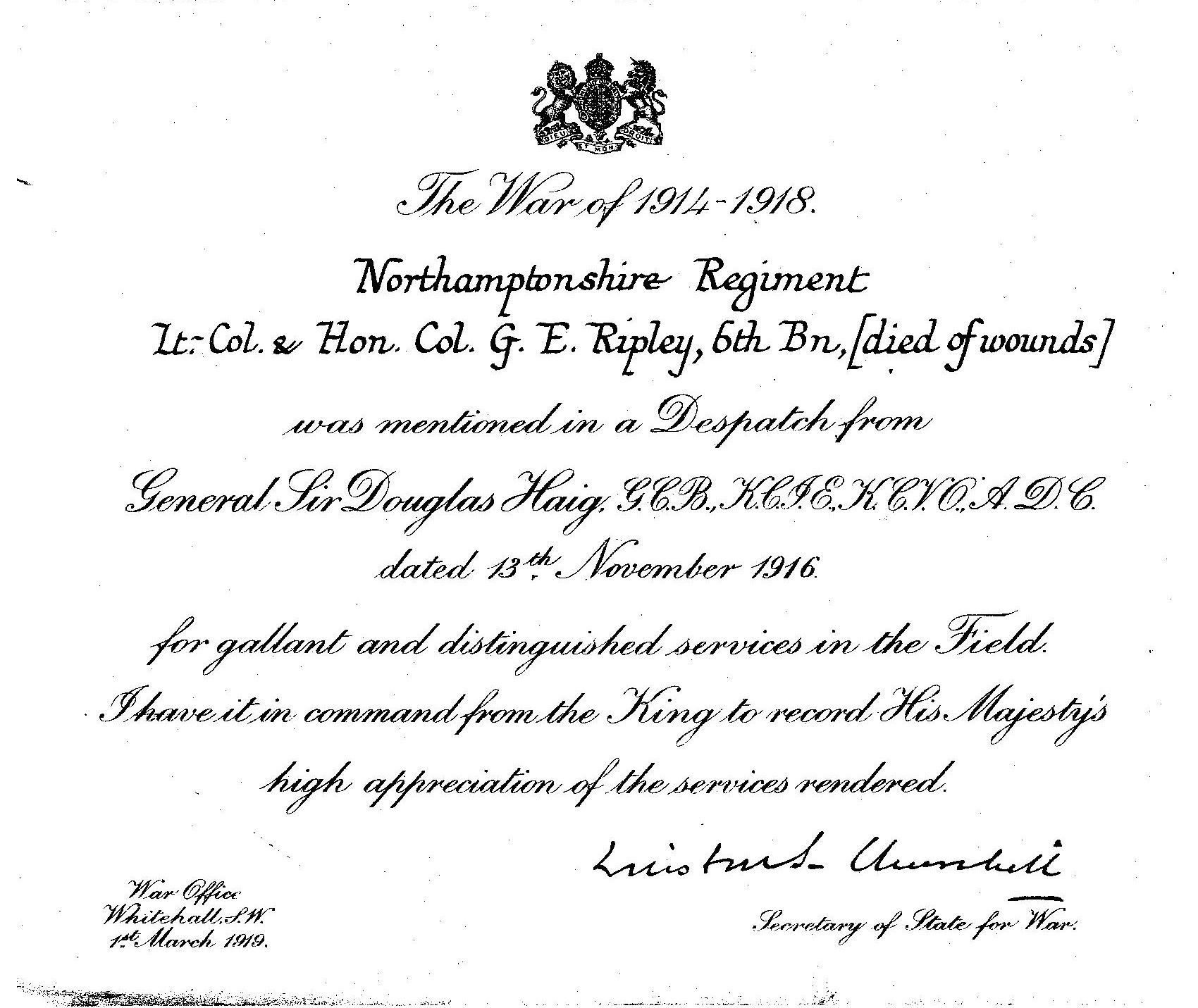
Colonel Ripley is buried in Cottingham churchyard and his grave is a designated Commonwealth War Grave. There is also a window in his memory in St Sepulchre’s Church, Northampton. Twice mentioned in despatches, the many testimonials made by officers and men of the 6th Battalion showed that he was held in great esteem and affection. He was survived by his wife, two sons and a daughter, and Mrs Ripley outlived her children, dying in 1973 at the age of 96.
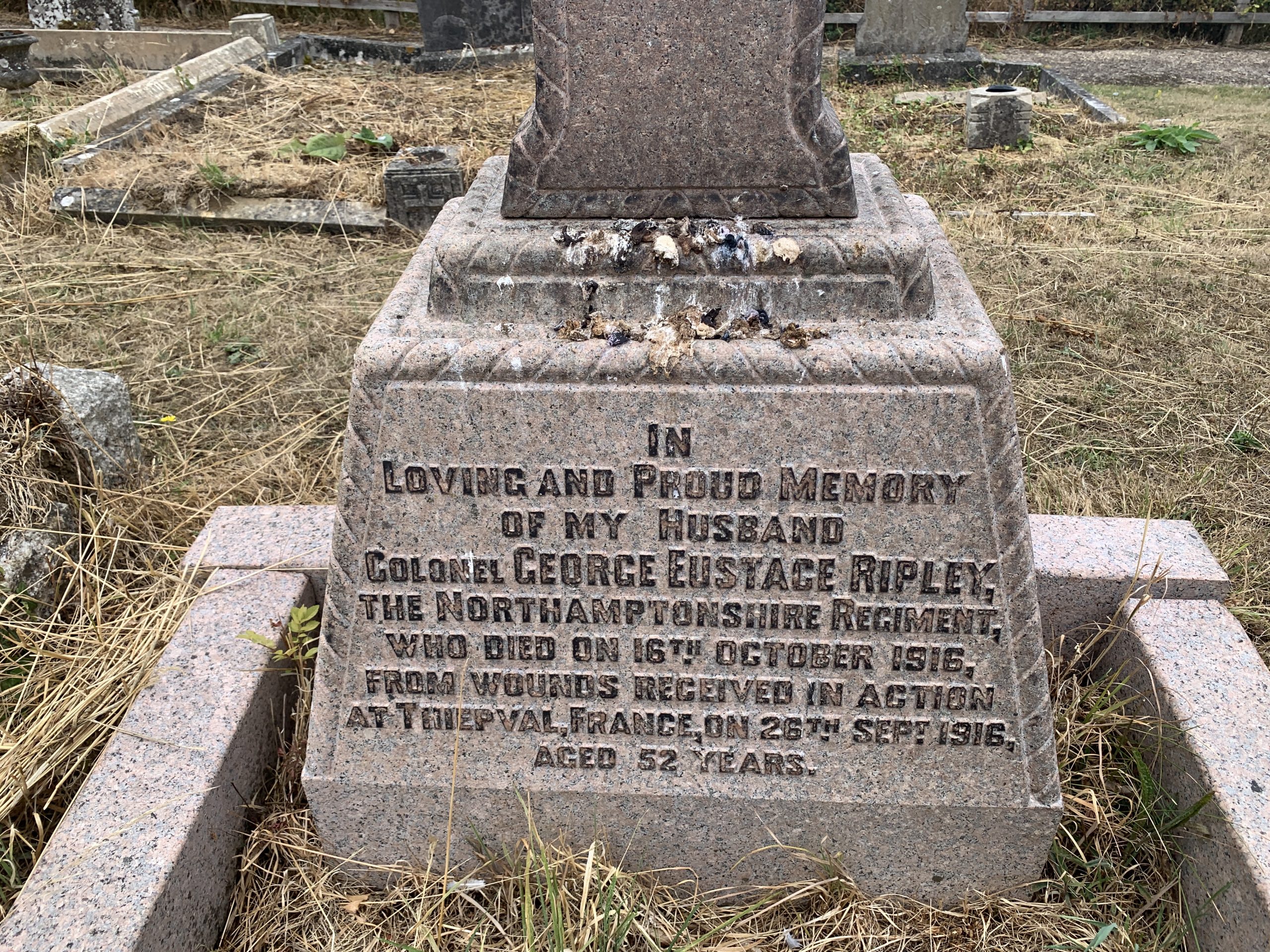
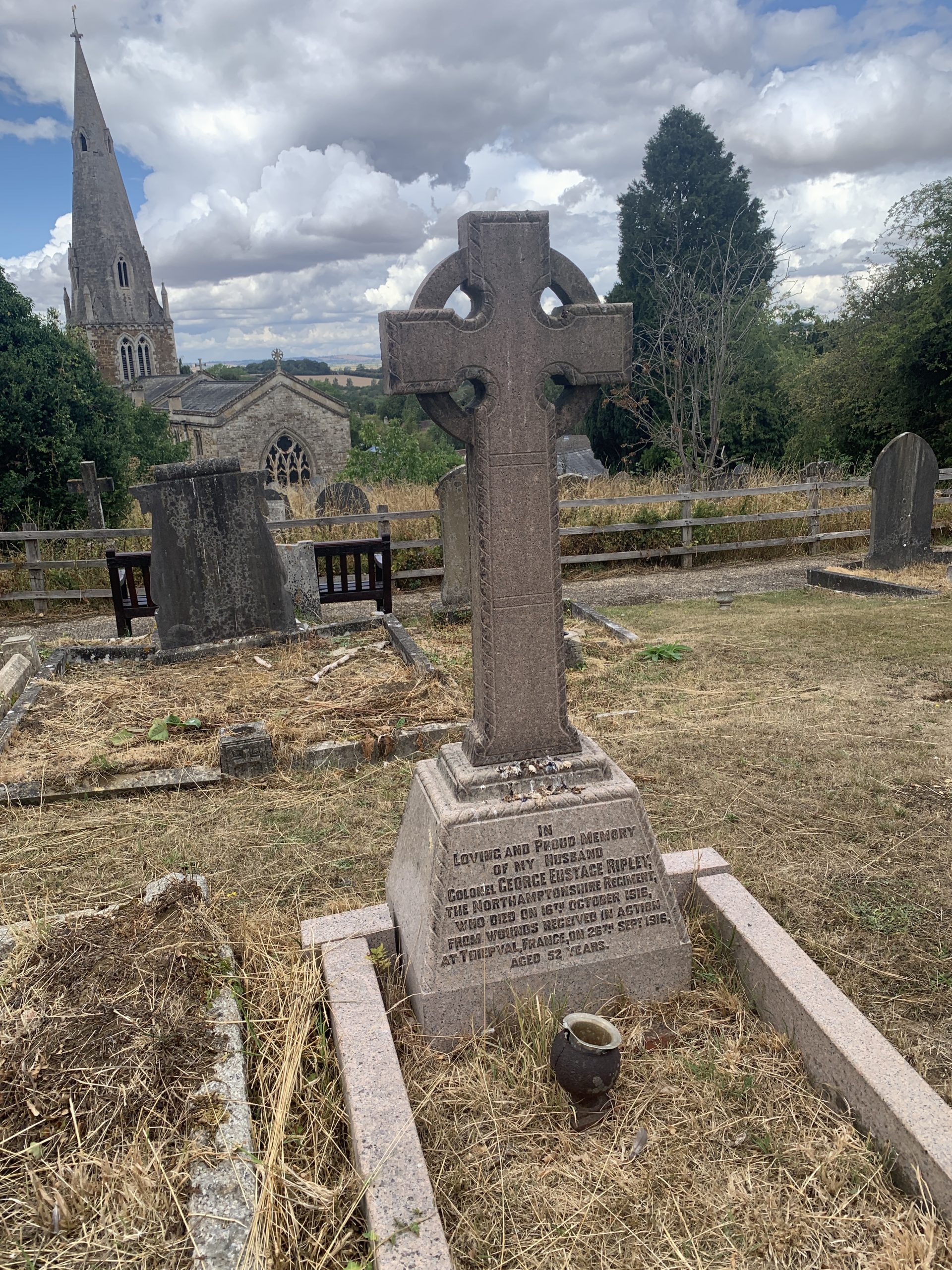
Colonel Ripley’s grandson George Burr, whose late mother Violet Laura Burr (nee Ripley) was born at Bury House on 29 September 1911, tells us “When my grandmother died, I visited my grandfather’s grave as I had always been charged by her to scatter her ashes on his grave. It took me ages to find it on a desperately wet day blowing a gale. Being a trifle upset, and not thinking too brightly, I tried scattering her ashes into the gale – a considerable amount went onto and into me, but she probably wouldn’t have been unhappy at that!”
For more information on Colonel Ripley, see www.cottinghamsoldiers.org.uk/biogs/RipleyGeorgeE.html
1918 Sale of The Cottingham Estate
In 1918, The Cottingham Estate was auctioned off. The sale included Bury House and substantial other property and land in the two villages. Lot 1 was Manor House Farm in Middleton, which included the farm house (now the Manor House residential home), and farm land opposite where Berryfield Road and the new primary school would later be built in the 1960s. Lot 4 was part of the orchard owned by the Estate on the opposite side of the High Street. This is, fittingly, where Orchard House now stands.
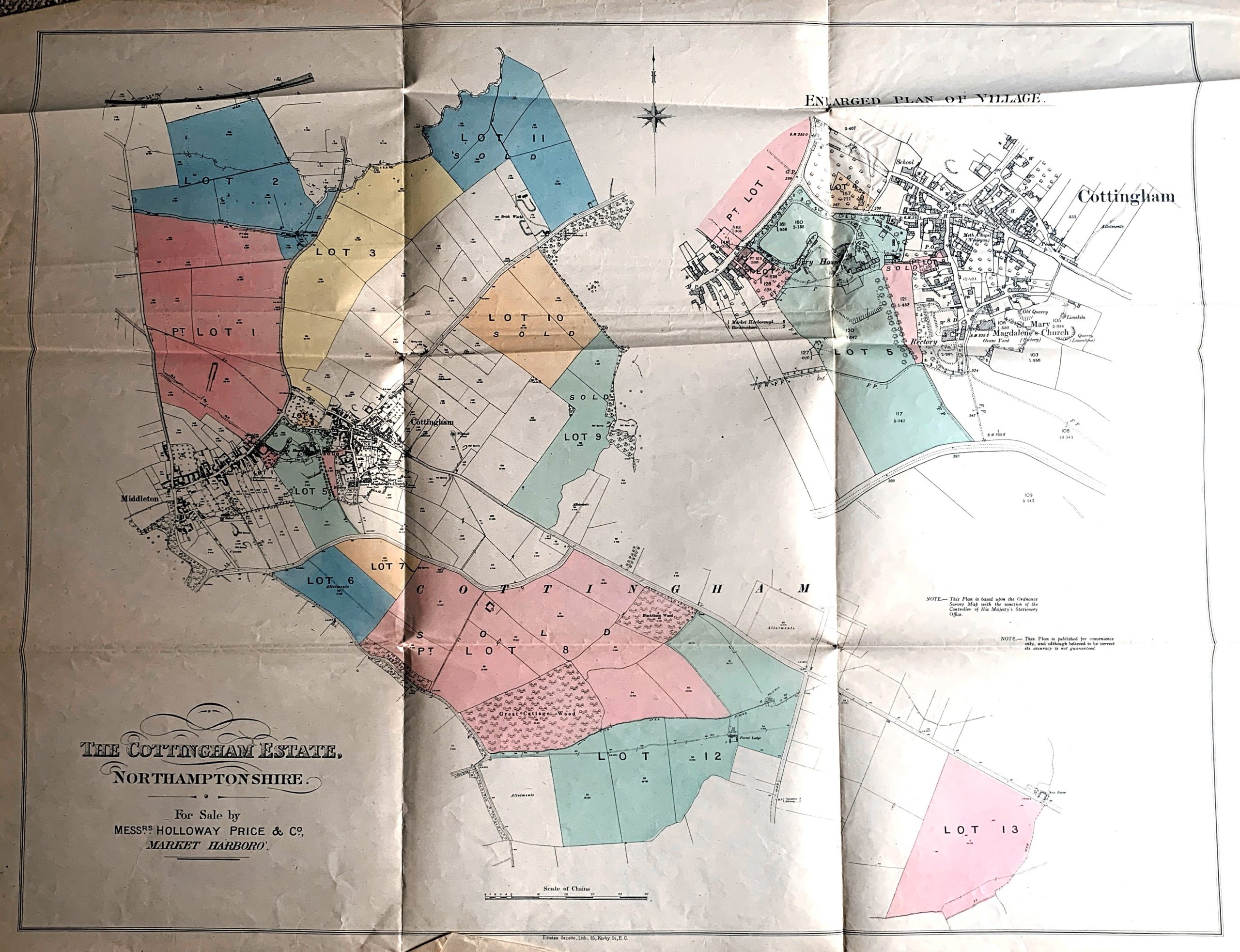
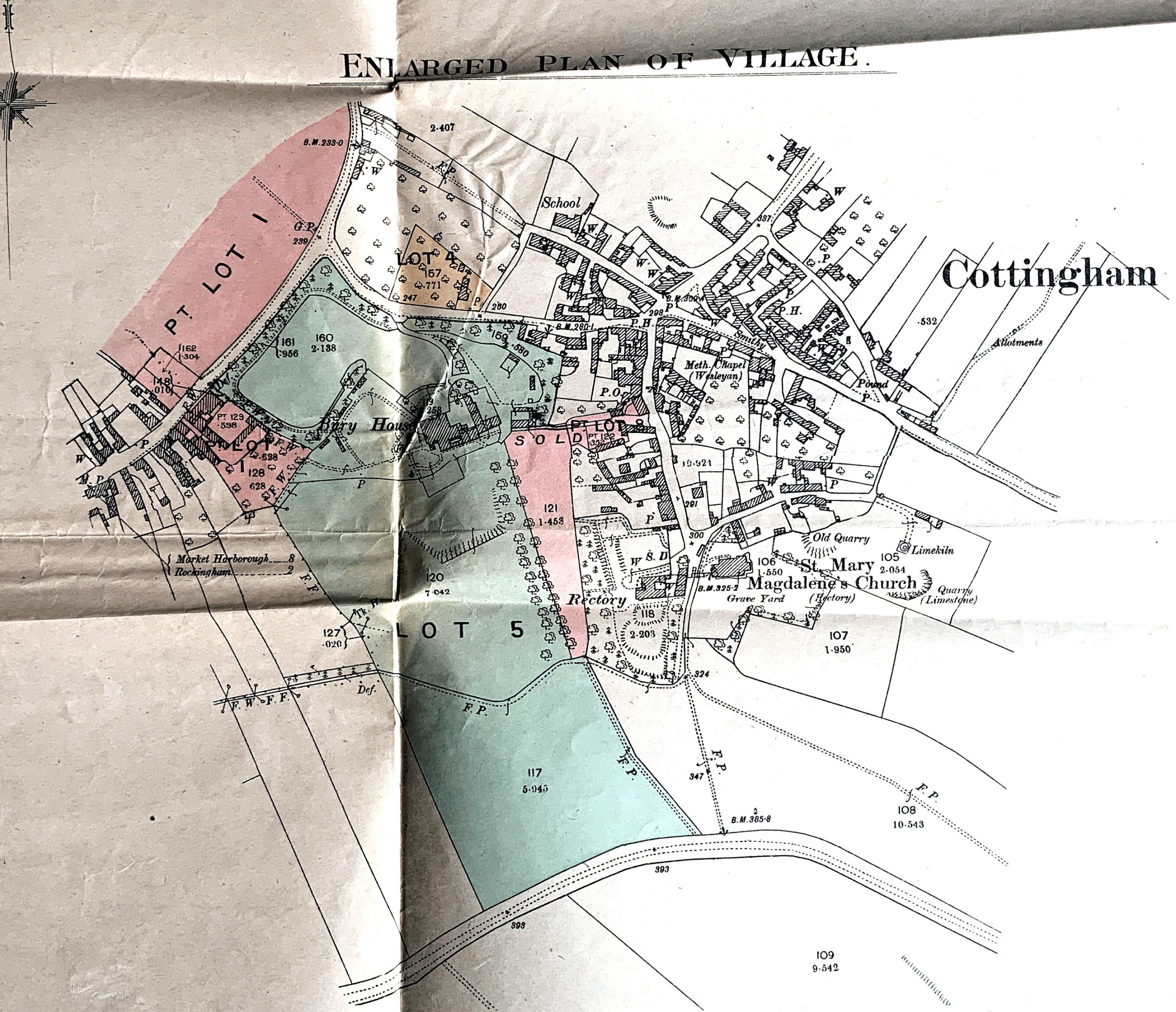
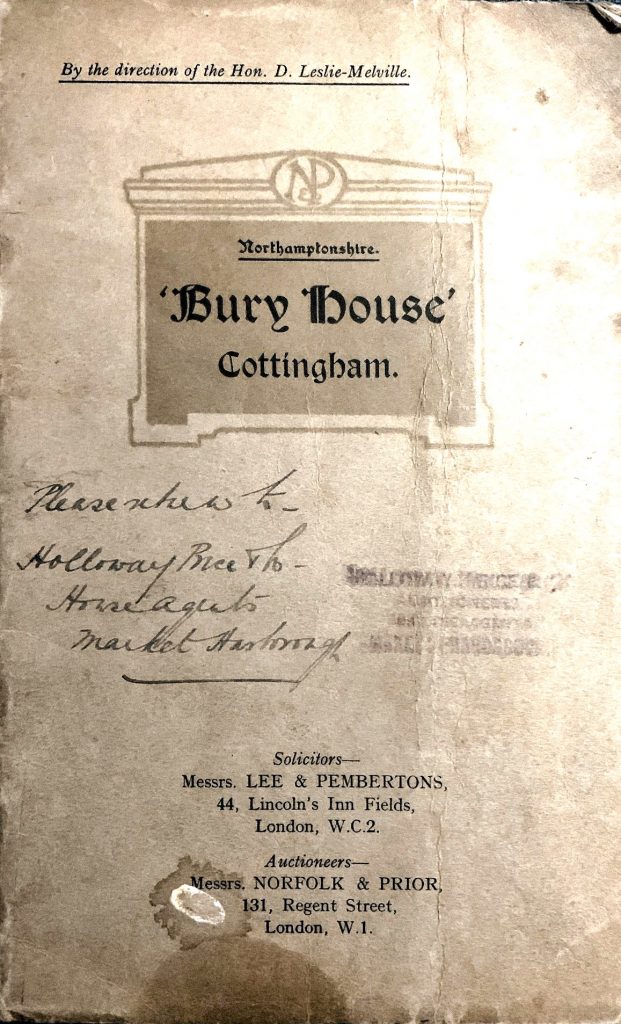
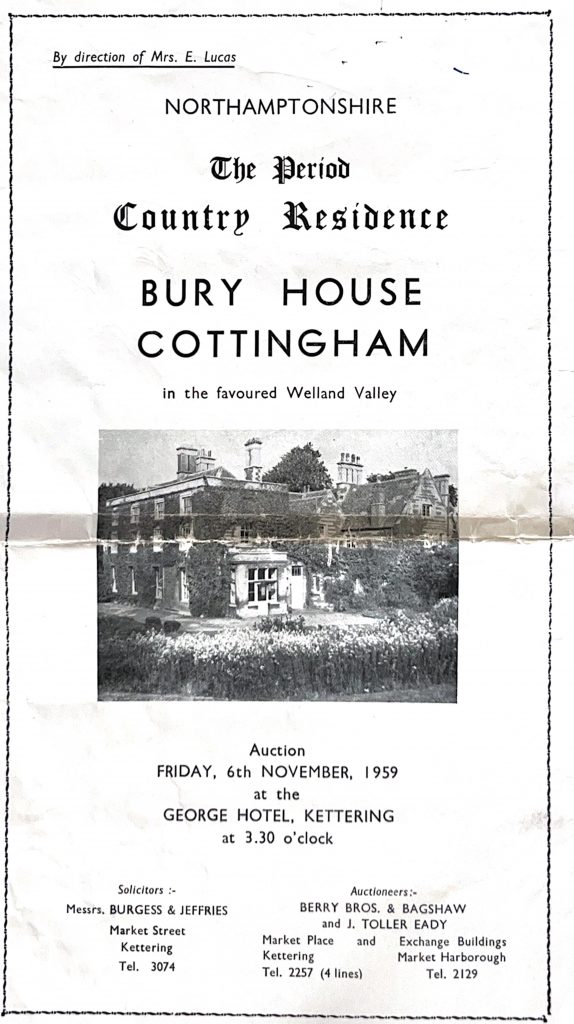
In 1922, Bury House was put up for auction under the instruction of the Hon. D. Leslie-Melville, with the guide price seemingly reduced from £5,000 to £3,000! There is a photograph in the National Library of Ireland taken around 1920 of the Hon DL Melville on horseback outside Bury House.
1929–1959, Captain George Fredrick Lucas
Bury House was purchased in 1929 by Captain George Frederick Lucas, when he gave up the legal profession to become Joint Master of the Woodland Pytchley Hunt, alongside Captain GE Bellville.


The following is an extract from Captain Lucas’ book, Memoirs of an Undistinguished Man, published in 1955. Recalling his first visit to Bury House, Captain Lucas says:
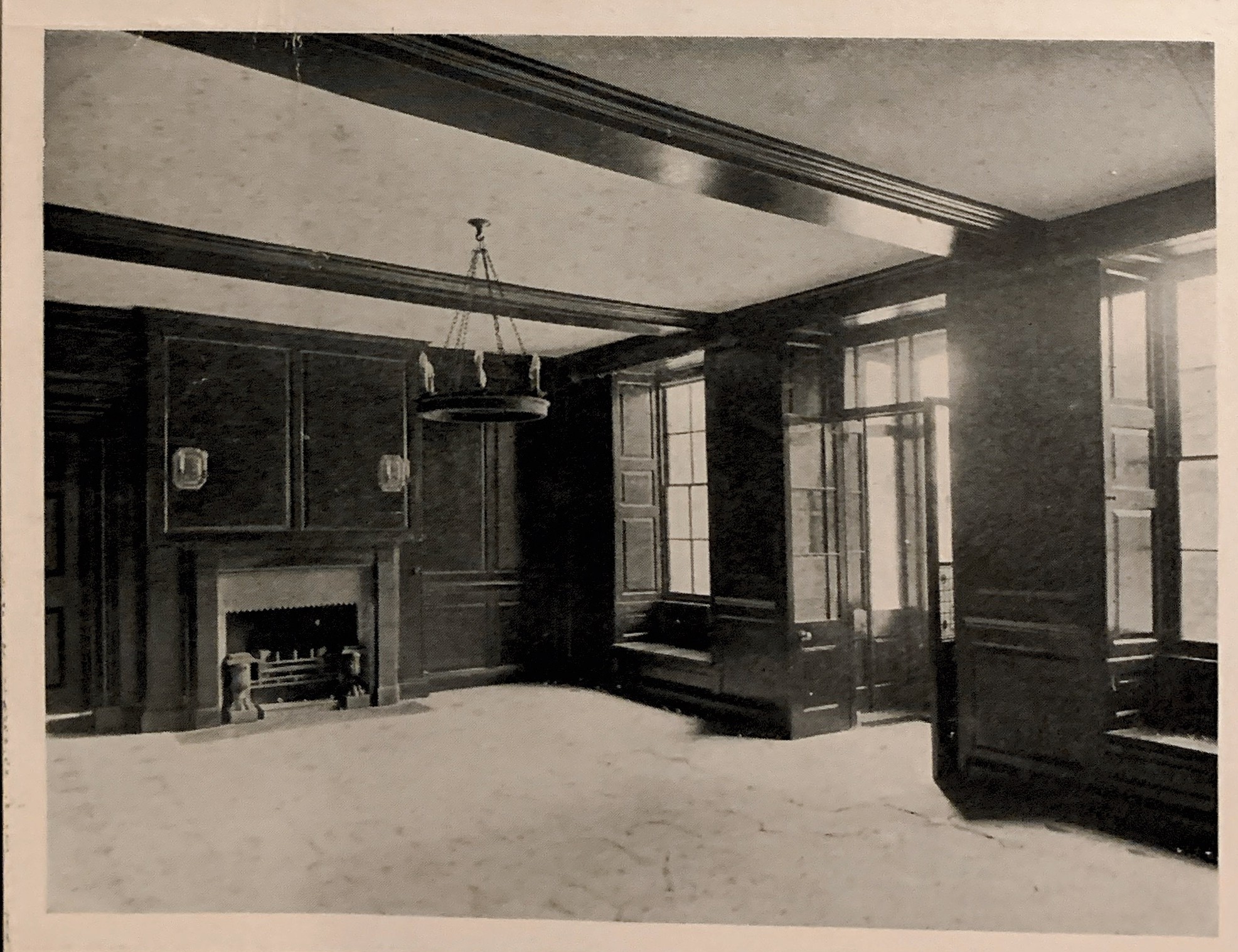
“It was a beautiful little (!) house, with about 20 acres of pasture and garden, and two of the most attractive features were the panelled entrance hall with a stone floor picked out in black squares, and the oak panelled dining room. It was rumoured that a former owner of the property, wishing to improve the seating in the church, had presented the Rector with rush seated chairs and removed the old oak pews, which he subsequently used for panelling his house.
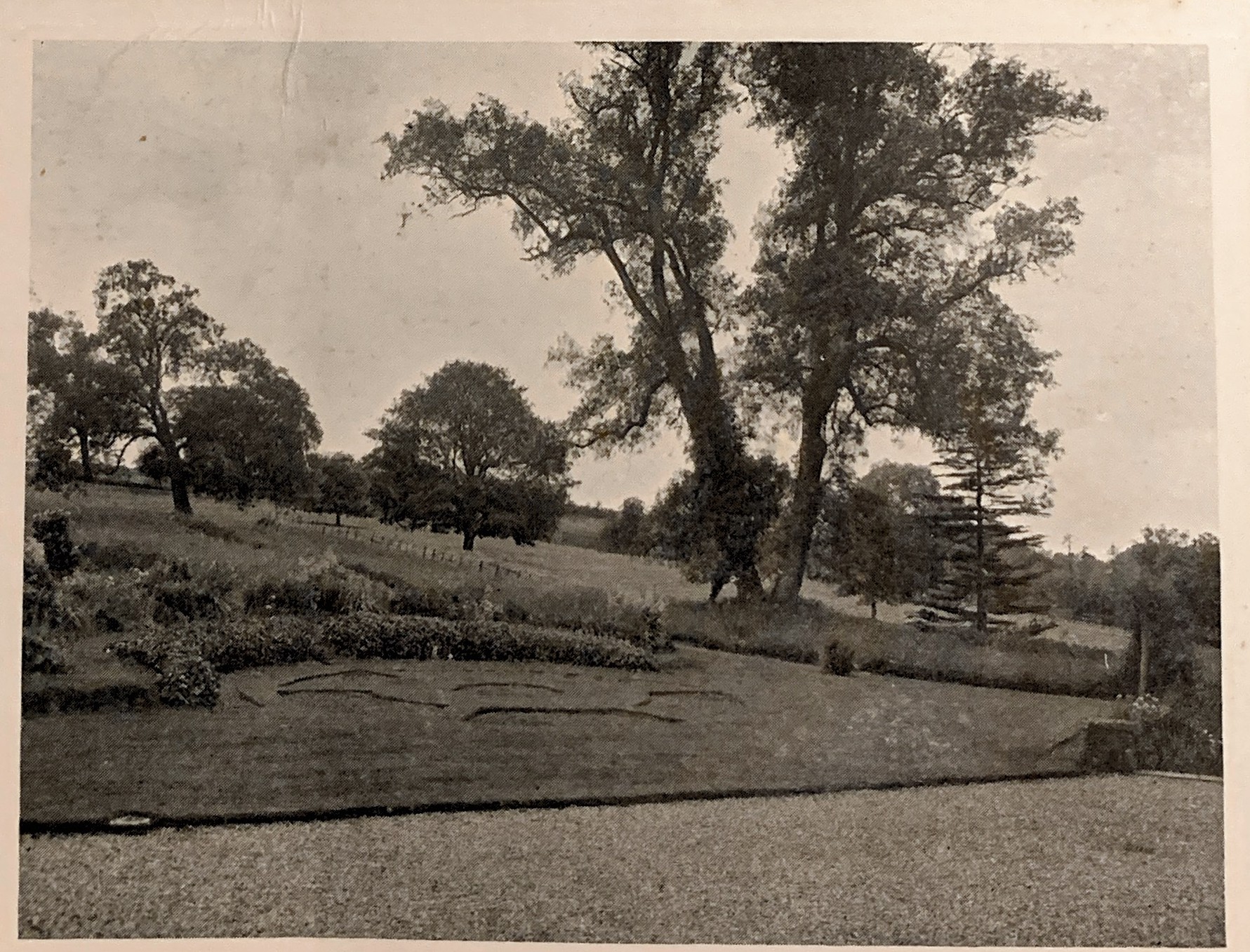
“The inside was quite up to date, as the seller had done it up thoroughly, and intended to live in with a relation who was a keen hunting man. Soon after the agreement was arrived at the relation was unfortunately killed in the hunting field and the other owner being unable to carry on alone, decided to sell. The garden was almost derelict. There would be no lack of employment if anyone wished to reclaim the garden from the wilderness, and this was the deciding factor…
“We still live in it and love it after 26 years, though the staff has gone down from nine to three and one sometimes wonders whether it was worth the toil and expense of keeping the place warm and habitable.”
Second World War
During the Second World War, some 45 British soldiers (from the 9th Armoured Division of the 11th Field Squadron Royal Engineers?) were billeted in the attics and outbuildings of Bury House and there were 17 army vehicles parked in the Spinney, which was where Bury Close now stands.
Captain Lucas built a bathroom and fitted out a games room for the men, recalling that, when an officer from the Military Authorities offered him six shillings and elevenpence a week in compensation for the billeting, “I marched him from the property saying that I considered his offer an insult and that under no circumstances would I accept a penny.
Captain Lucas was true to his word and only profited from a kitchen carpet that the sappers left behind! Later in the war, a company of Czechs stayed at Bury House. Captain Lucas recalled that some of the village girls found the Czechs ‘too attentive’.
Everyday Life at Bury House
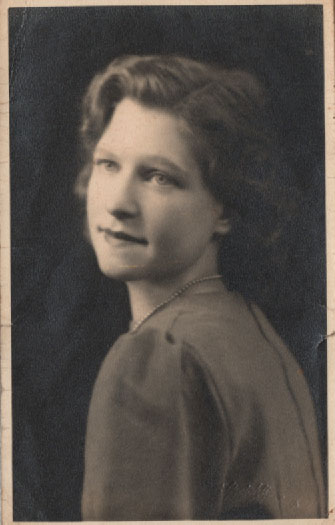 Hilda Bradshaw (nee Vickers) went into service at Bury House in 1933, aged just 15. Initially carrying out general chores, she soon progressed to the position of parlour maid, which she says was a very trusted position, earning nearly 10 shillings a week. She wore two changes of uniform daily – a dark blue cotton one with white collar and apron for the dirtier jobs in the morning and a brown dress with a ‘dainty lacy panel’ in the afternoon and evening.
Morning tasks included cleaning and lighting the fires and taking a tray of tea and then a brass can of water upstairs, for their employers to bathe. Breakfast was served at 9am and once the Lucas’ (and guests if staying) were up and about, the bedrooms were thoroughly cleaned and beds made. Light lunch would be taken at midday then, in the afternoon, Hilda and her colleagues were given a couple of hours off which they often spent resting in their rooms. In the evening, a three course dinner would be served between 7–7.30pm. Dishes would be held for the diners to help themselves and, after dinner, drinks such as sherry or whisky would be taken in the sitting room. Greasy dishes and pots would be taken to the kitchen or scullery for washing while silverware and delicates such as special glassware would be taken to the maids’ pantry to be restored to their former glory.
Hilda said the Lucases generally treated their staff very well but she did object to being expected to stand for Mrs L, even if in the middle of her dinner on her break! Hilda remembers other staff employed at Bury House at the time – Frank Boynton, the groom; Reg Horsley who was gardener and later became landlord of the Spread Eagle pub; Ruth Cannam who worked with Hilda as a parlour maid, and the cook who was ‘a big bonny woman called Ann’.
She recalls that the Lucas family would take a month long holiday in summer. They were very keen fisherfolk and spent many holidays fulfilling their hobby. During this break, Bury House staff were expected to thoroughly spring clean the house from top to bottom. Hilda professes “We used to enjoy ourselves then work like mad just before they came back!”
Mrs Lucas often referred to her husband George by the pet names ‘Spratty’ and ‘Lynx’. The couple had a son Harry and a daughter Joyce. Harry would often spend time with the local lads and used to go for a pint with them to The Crown in the village (at The Cross) or to The Sun at Great Easton. His parents didn’t approve! Harry moved to Rockingham Road when his parents sold Bury House and later met a sad end after moving to the Norfolk Broads where he lived on a houseboat. He apparently drowned. Joyce liked to attend local hunt meetings but had an all too frequent habit of falling off her horse!
The Lucases also has a nephew ‘Master Ronald’ who was a Captain in the Army and was nicknamed ‘Tiger’. Hilda describes him as a ‘very smart soldier’ who was always pleasant and polite to the staff and was a good tipper. The Lucases took him on like one of their own family.
Staff were allowed 1.5 days a week and every other Sunday off, and permission could also be sought for Saturday evenings off, once dinner had been served. The girls used to attend villages dances on those evenings and had to dash to get ready. There were regular local dances at village huts in Middleton, Great Easton and Drayton. Sometimes a few people would club together for Sid Smith to take them in his taxi from Cottingham, but Hilda recalls many occasions where they would walk across fields in their finery all the way to Drayton and back, taking the route via Occupation Road in Middleton. Hilda also revealed that she used to sneak out of Bury House on other occasions and tip toe in up the back stairs!
Hilda recalls the soldiers being billeted in Bury House during the War. She says that some were American and, when they were eventually moved from rooms above the stable block into rooms above the maids’ quarters, the girls insisted on locks being immediately fitted to the inside of their doors!
Hilda’s memories were captured in October 2008 by Del Robertson. View memories. The photograph of Hilda, taken around 1943 when she would have been aged around 25, was provided by Jeremy Hewitt.
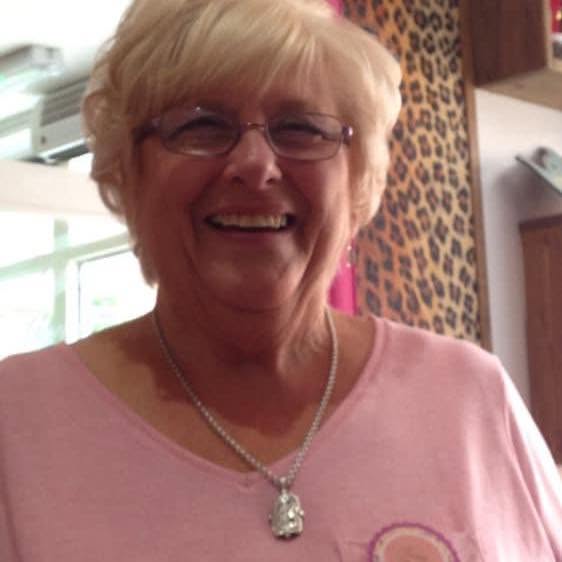 Irene Beadsworth (nee Ansell) also recalls how she moved into the Bury House cottage in 1948 with her mother (Frances) and father (Albert), when she was just six years old.
Says Irene: “My dad was gardener at Bury House, and he also chauffeured Captain Lucas, accompanied him when he went out shooting and bred gun dogs. On one occasion, there were three litters of puppies being looked after at the same time. For all of that, he earned just £5 a week. My mum also used to spend a day cleaning and a day cooking at Bury House – and she wasn’t paid at all for that, but we did get to live in the cottage rent free!”
Irene and her family lived at Bury House for around four years, and later moved to Barrack Yard off Corby Road.
1960s–2000, The Freestones
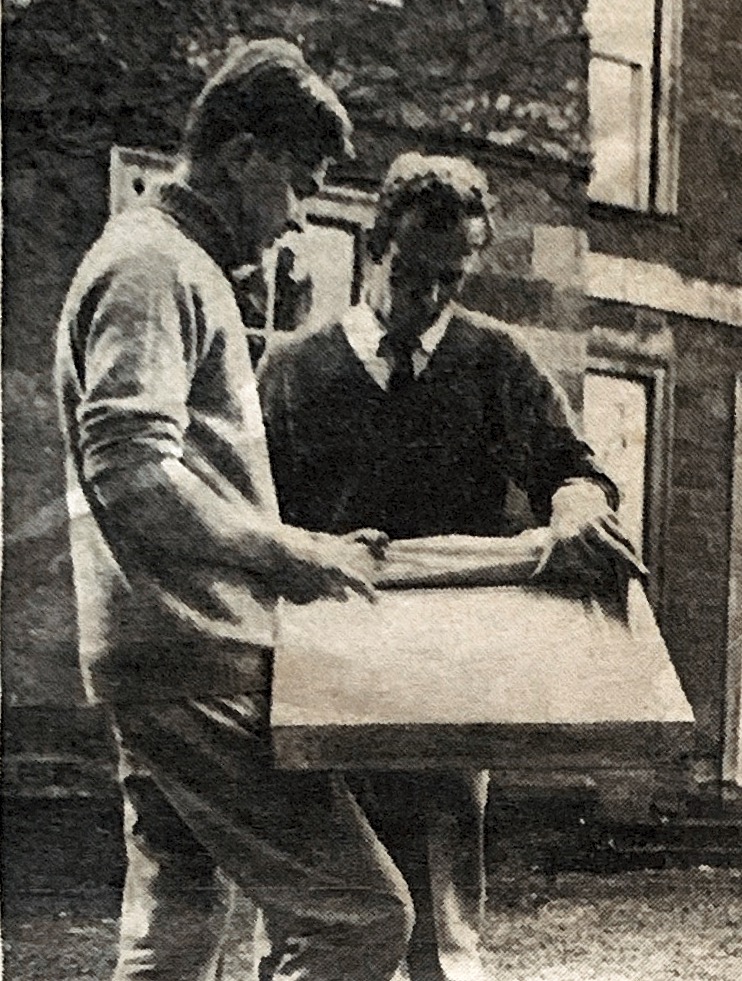
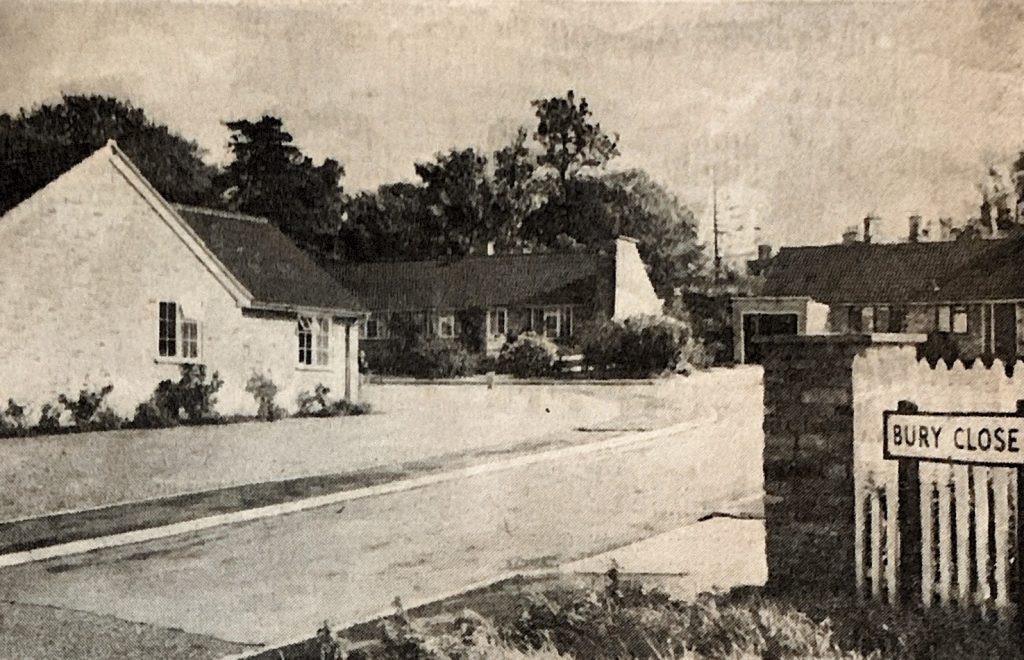
John and Mary Freestone purchased Bury house in 1960 along with all the stables, outhouses and the Spinney. John set about improving the house, as it was in a bad state of repair and had been left for many years, first adding five flats, then converting the pig pens and hayloft into the Hunting Lodge restaurant. A banqueting hall was then built from the broiler houses and John opened the Golden Guinea Casino.
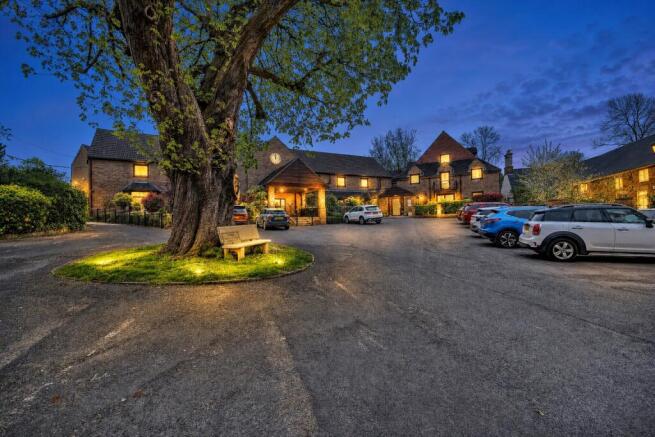
John gave part of the land to the council to improve the road to Middleton, smoothing out what was a very bad blind corner. Today, a tree stands on the island that was planted by John and Mary all those years ago. On the rest of the paddock land, with the help of sub-contractors, John built the bungalows and created Bury Close. Some villagers still remember the youth club that John ran, and the annual garden fetes held at the house.
21st Century
Mary Freestone lived at Bury House for 40 years until 2000, when the house and the large field behind it were purchased by William Kiff, who renamed Bury House ‘Cottingham Hall‘. The hall is now owned by Stephen Craik.
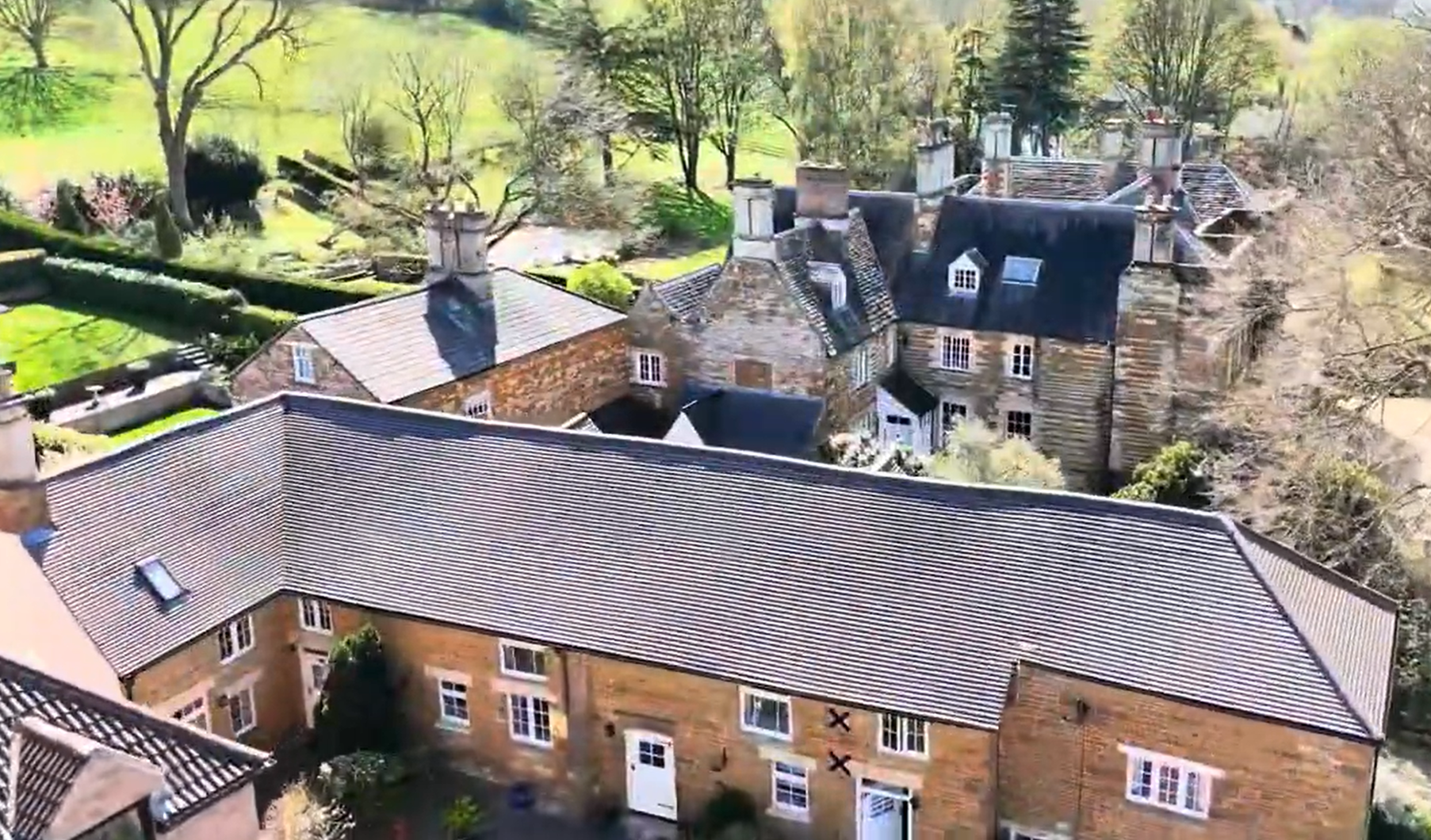
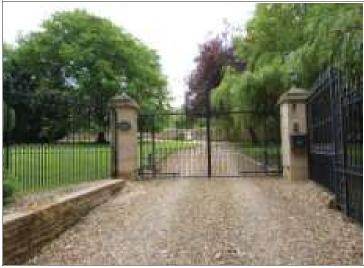
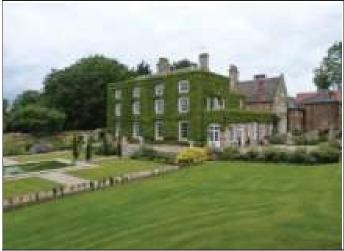
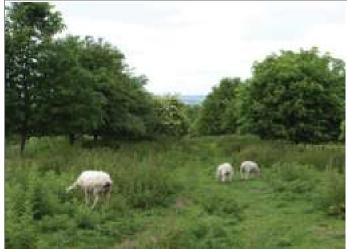
In 2015, a comprehensive appraisal of Cottingham and Middleton’s heritage assets was conducted as part of a proposal to extend and merge the two separate Conservation Areas in the villages. The photographs of Bury House below were taken by historian Peter Thornborrow and were included in a draft appraisal document produced for Corby Borough Council in September 2015.
One interesting observation from this appraisal is that the avenue of lime trees planted to the rear of the property in the 18th or 19th Century would have provided rear access to the house for horse and trap from the old A427 (Middleton Lane), perhaps avoiding some of the steeper hills in the village.
With thanks to Mary Freestone for her help in putting together the fascinating history of Bury House.
The Hunting Lodge Restaurant and Hotel
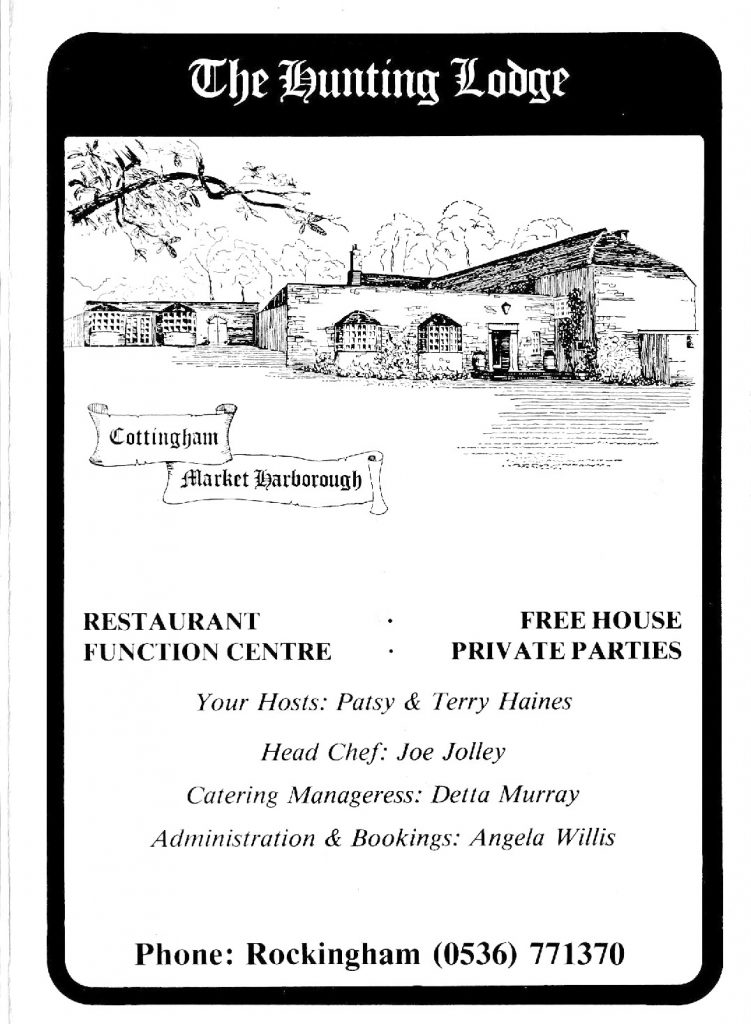
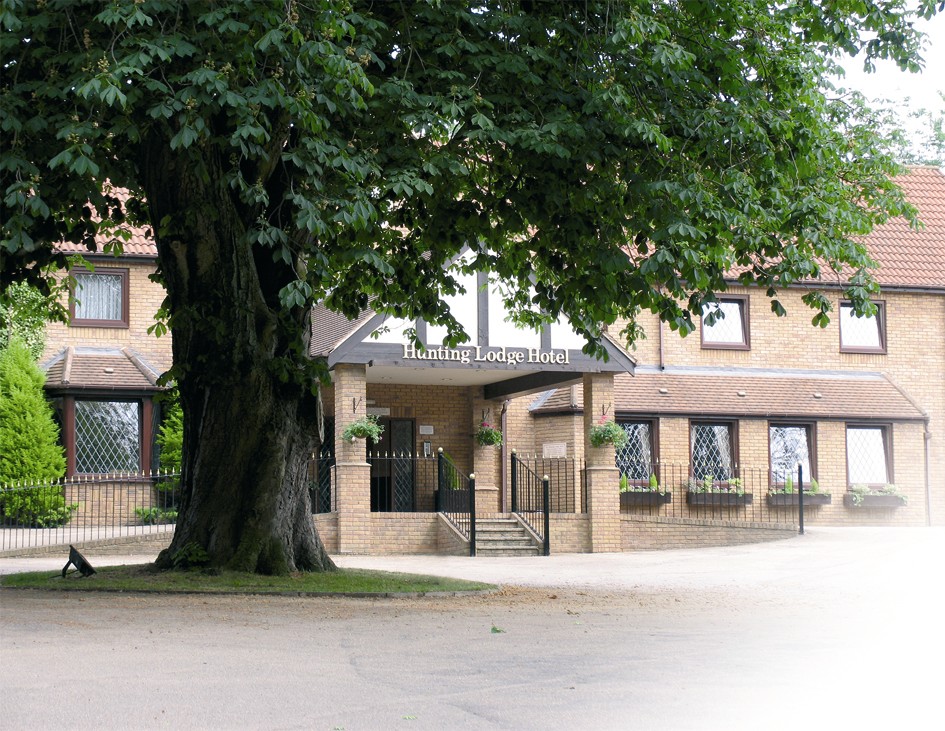
The Hunting Lodge Restaurant predated the Hunting Lodge Hotel, which was not built around 1997(?)
2015, Hunting Lodge Mews
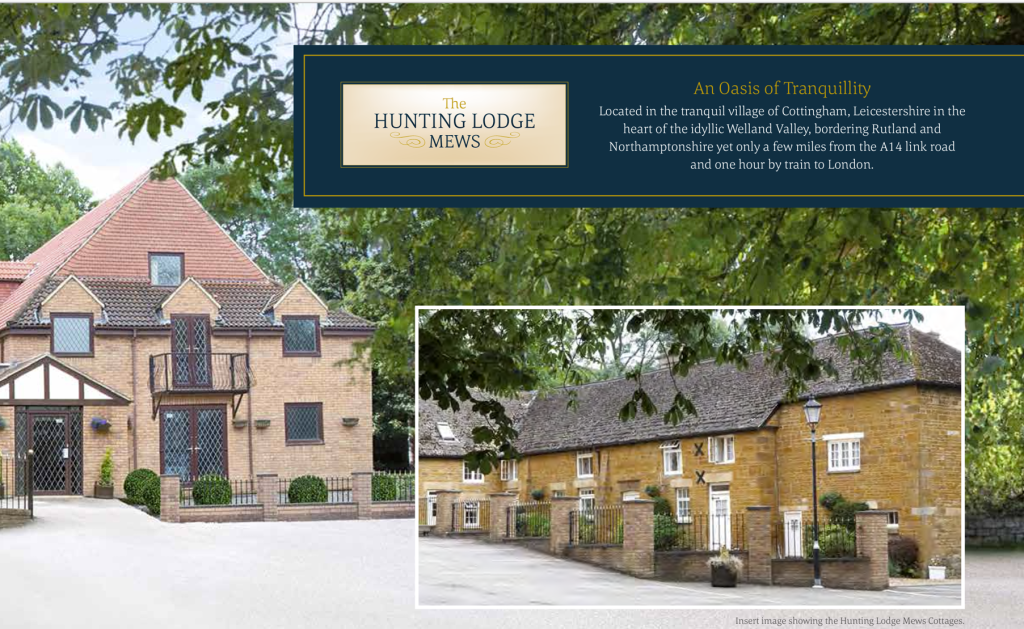
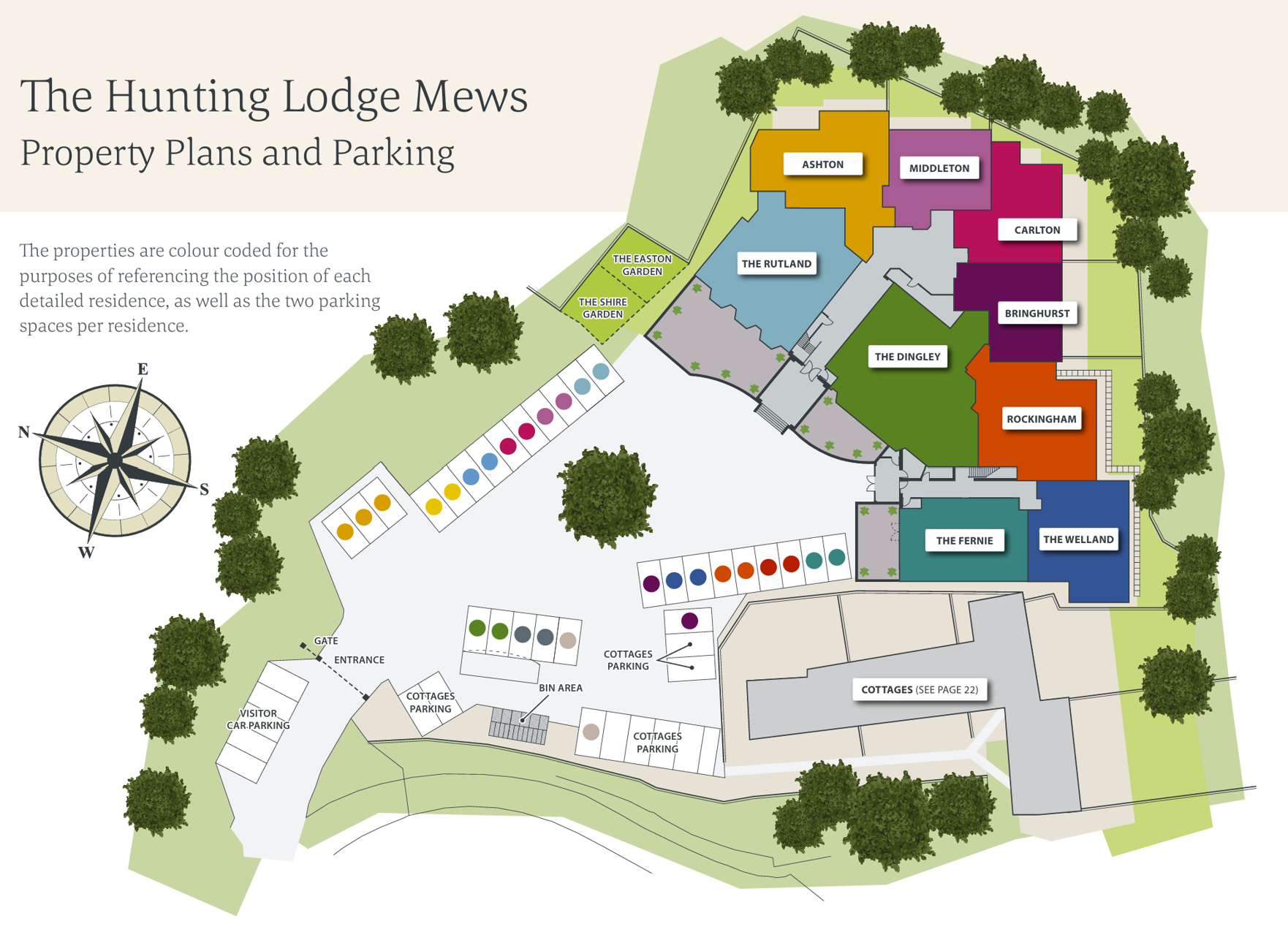
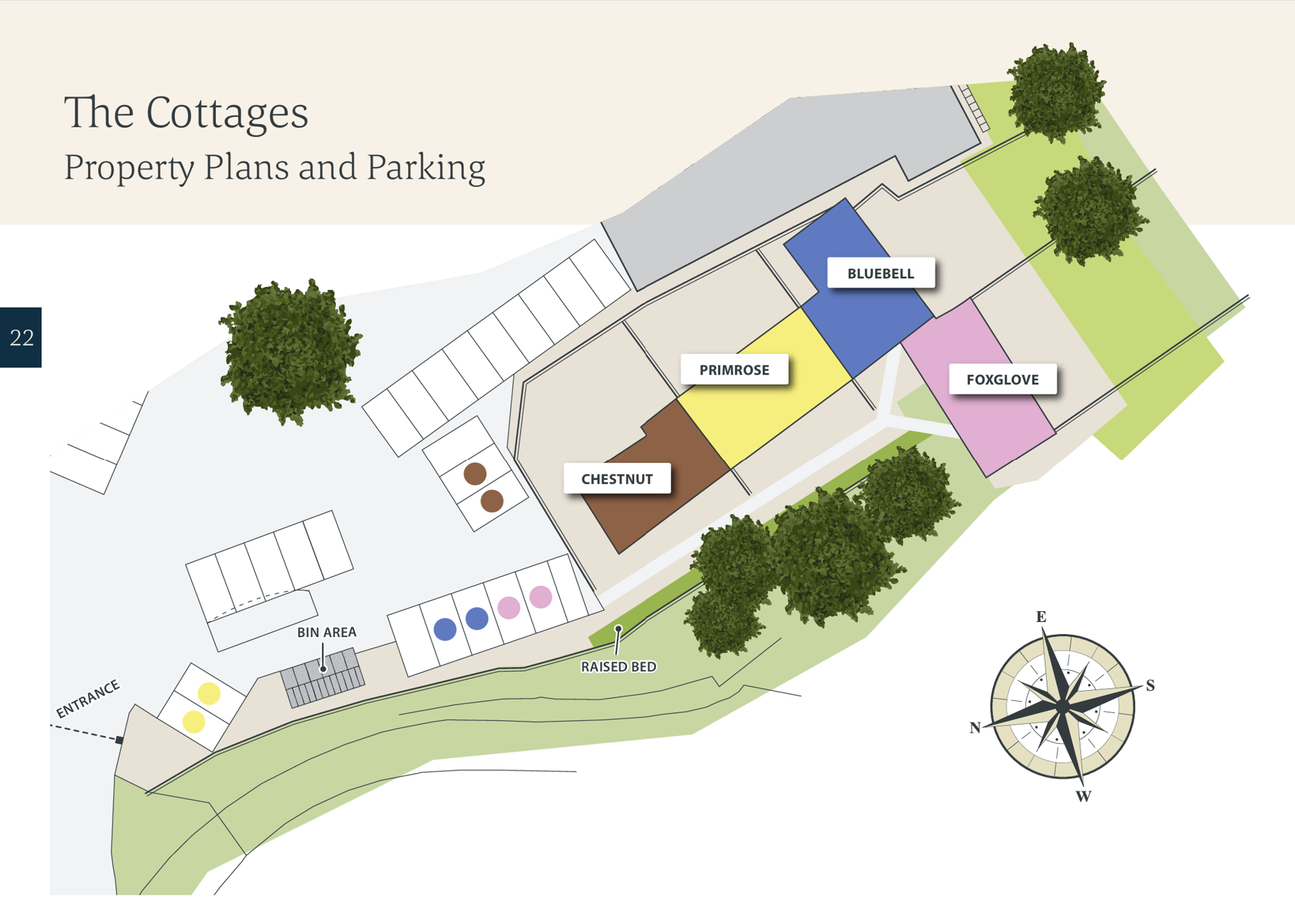
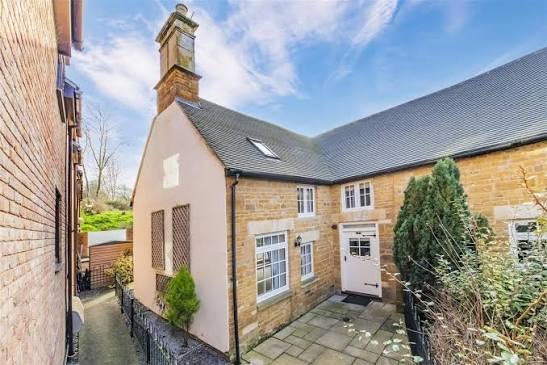
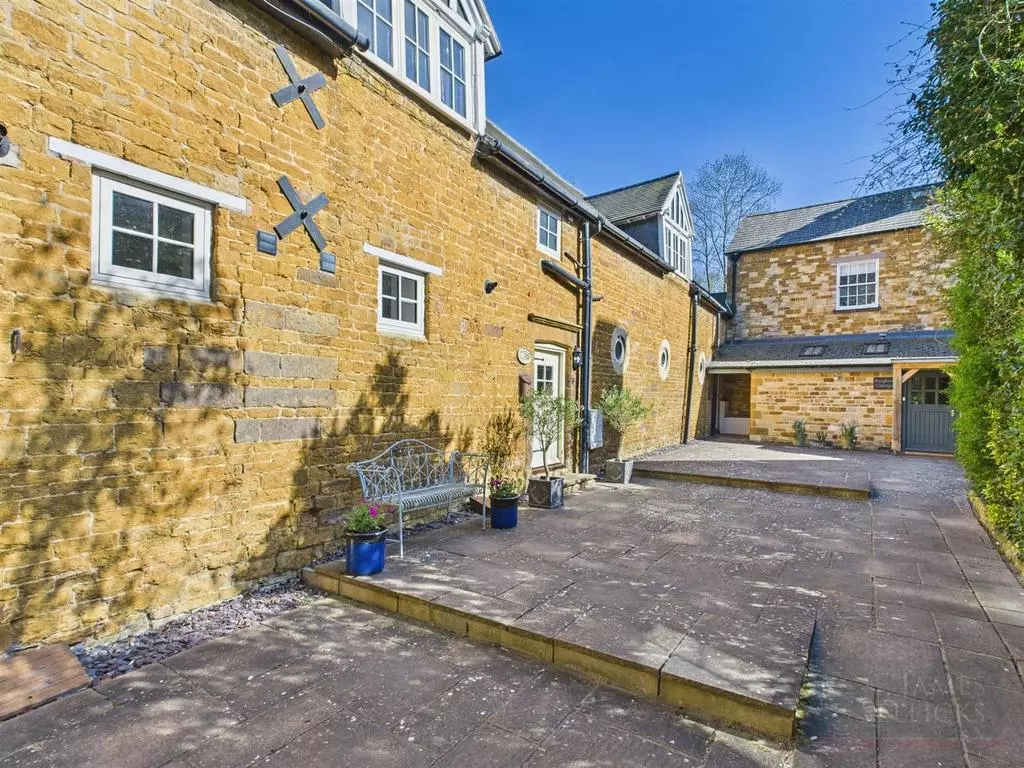
The Hunting Lodge Hotel officially closed its doors in 2013 after several years of financial difficulty, and the hotel and cottages were converted into luxury residential accommodation known as Hunting Lodge Mews and Cottages. You can view the 2015 sales brochure from King West Estate Agents below, and we’ve pulled out some of the plans to show the layout of the site. The apartments and town houses are built in the former Hunting Lodge Hotel and the cottages are the former stables and haylofts. The estate groom and his family used to live in the room above the saddle and tack room, and this is now Bluebell Cottage.