
There have been numerous shops and small businesses operating in Cottingham and Middleton over the years. There was even a village undertaker at one time!
Corby Road, Cottingham

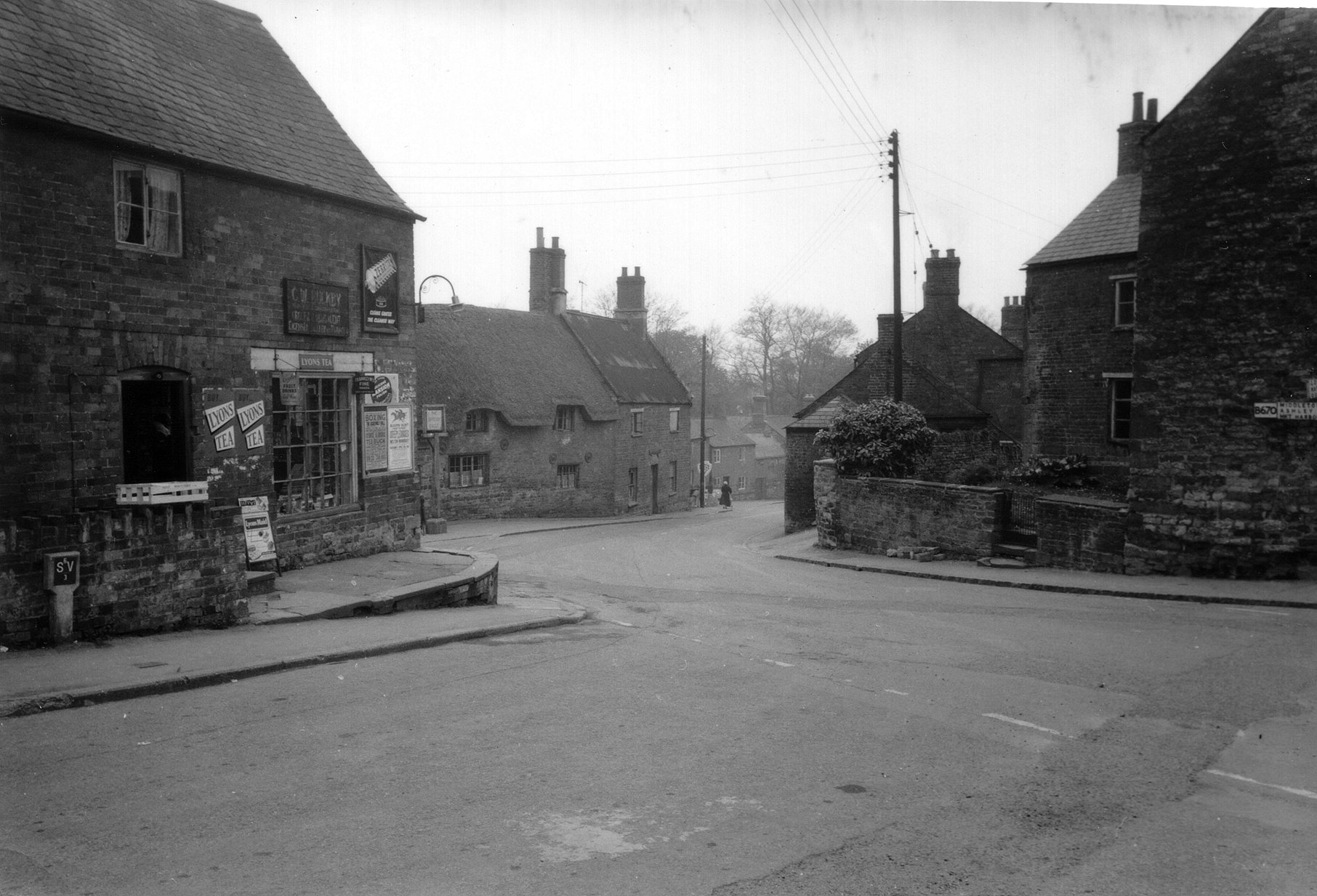
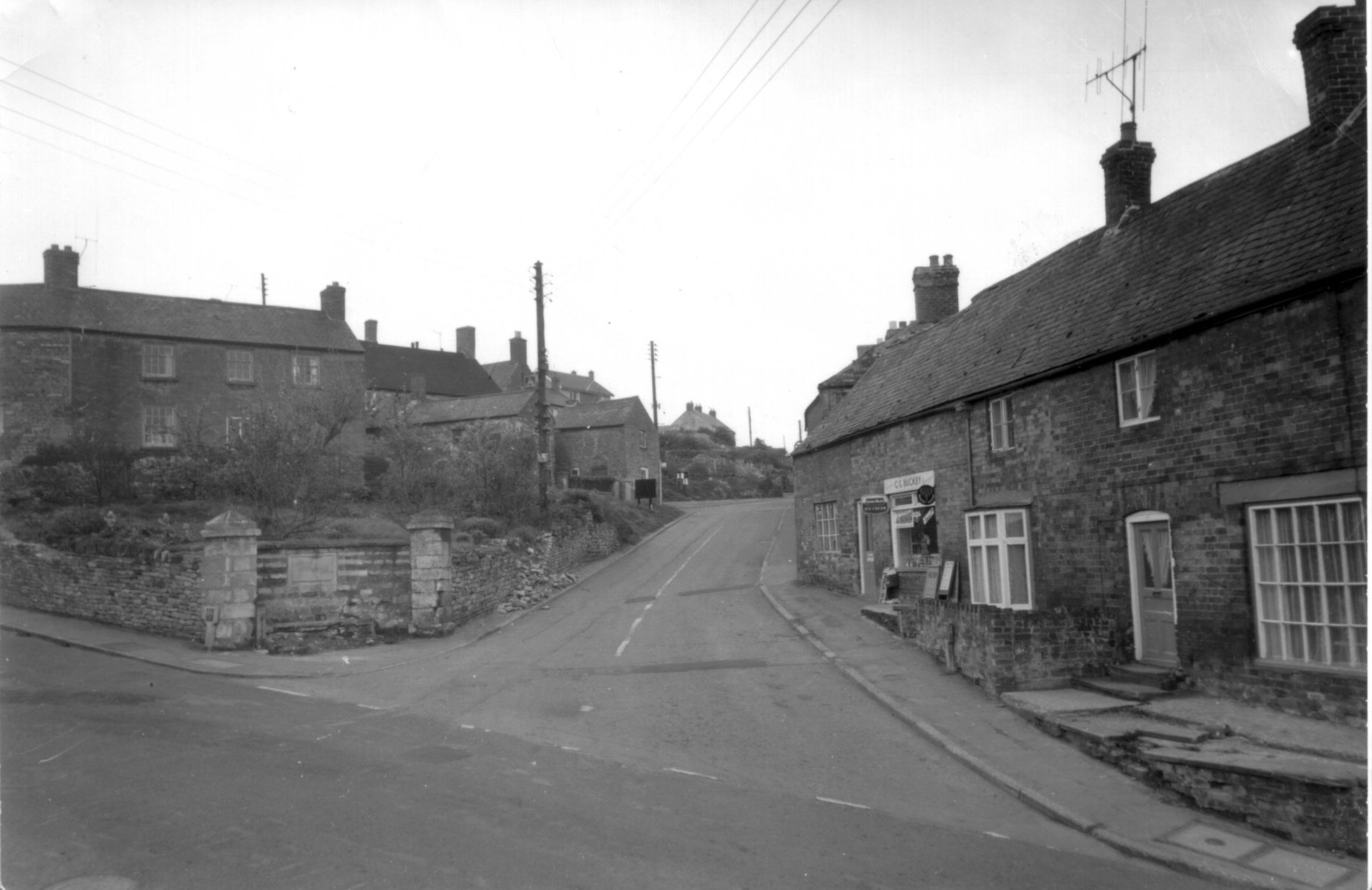
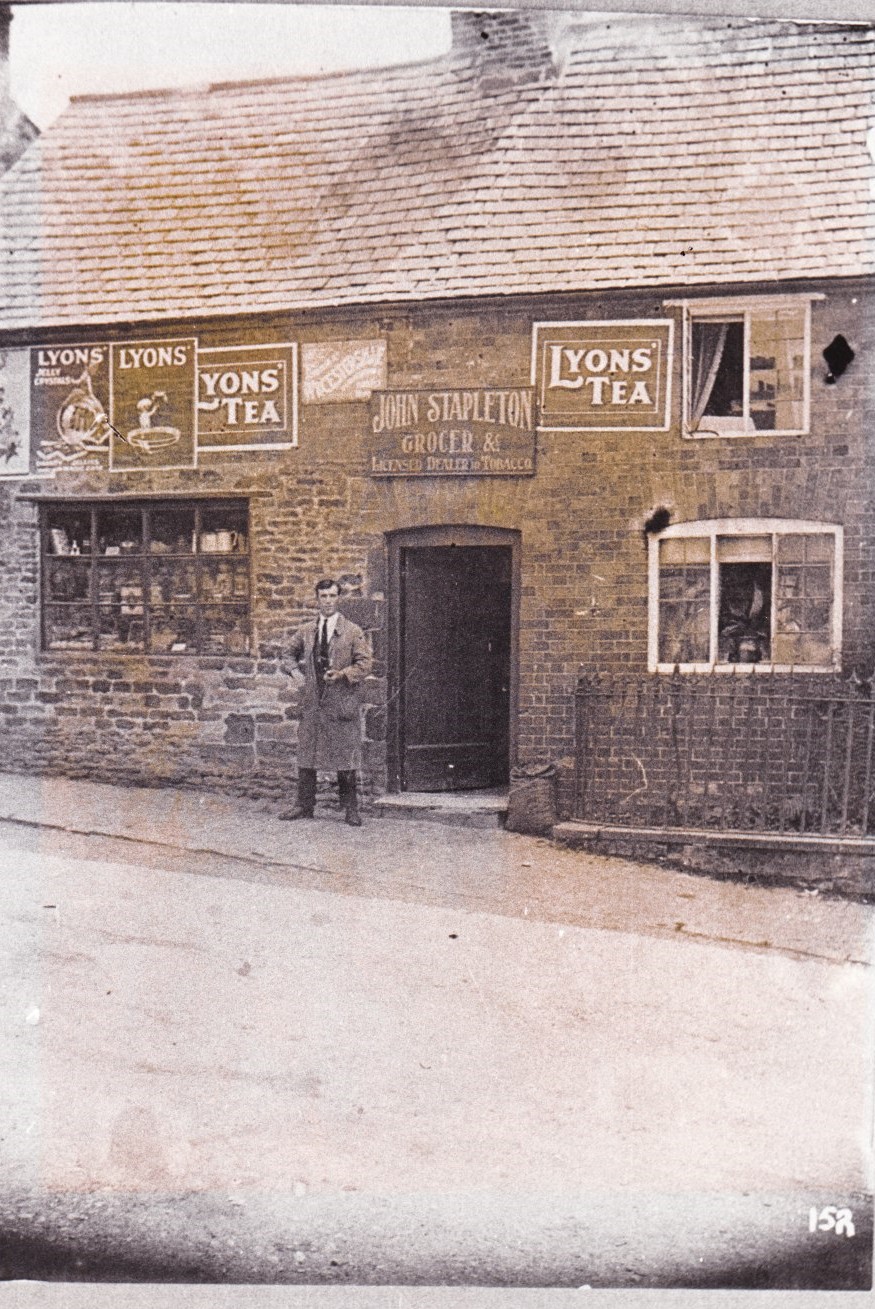
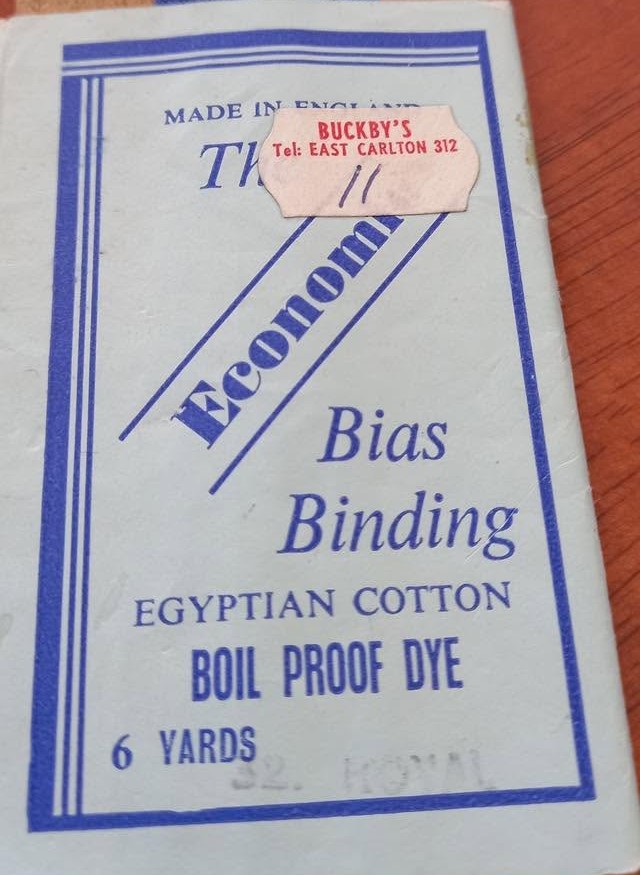
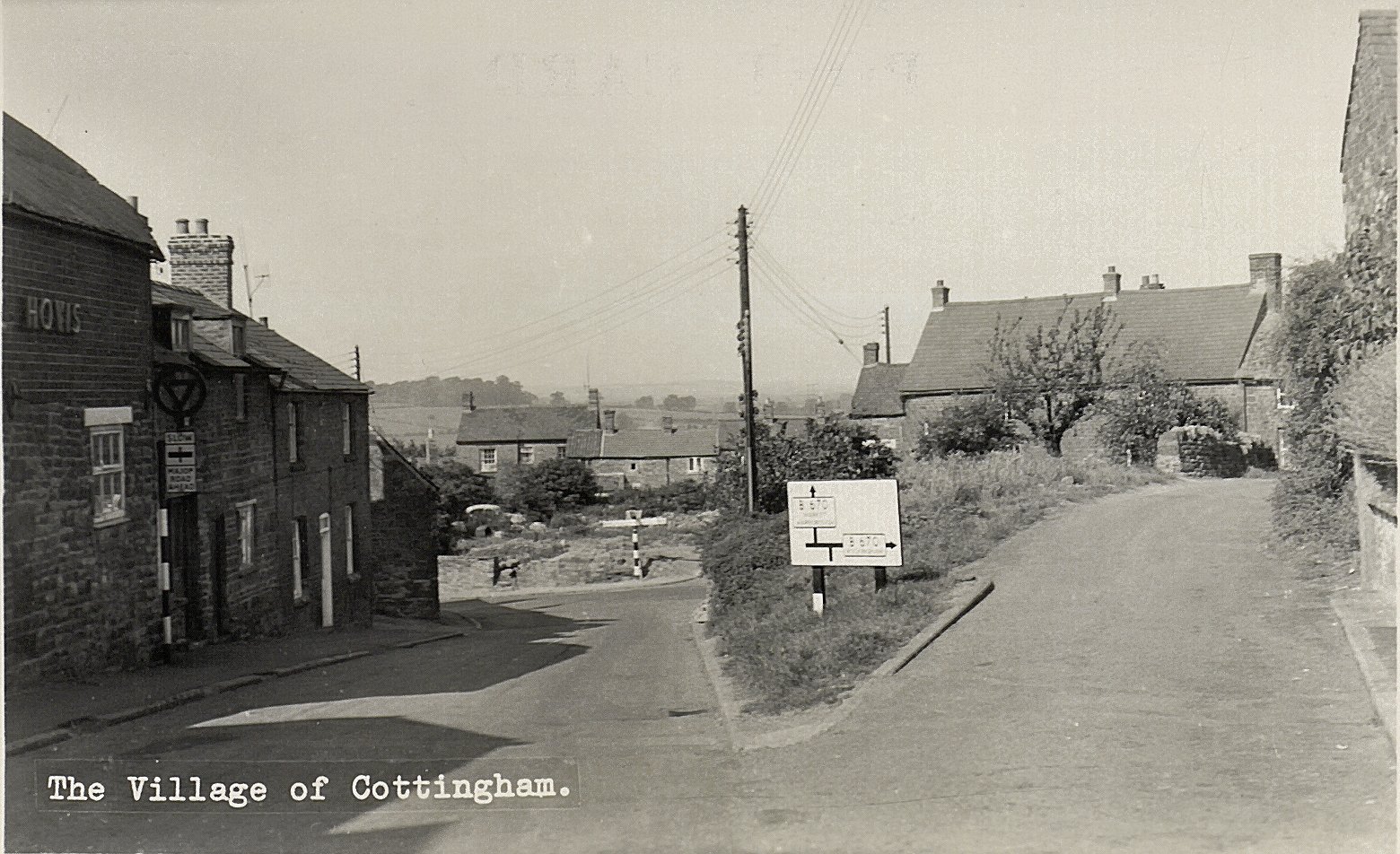
For as long as villagers can remember, there have been shops on the corner of Corby Road. In the earliest photo above (1920s), the shop on the corner was run by Cyril William (C.W.) Buckby and his wife Madeline. Cyril died in 1940 and, in 1945, Madeline married John Stapleton, who ran a smaller general store a couple of doors up, where the current shop stands. The couple consolidated their operation in the larger corner shop and the small shop was taken over by Mrs Stapleton’s sister-in-law Rose Smith, who set up a haberdashery selling buttons, shoe laces and so on. Sadly, John Stapleton died within less than a year of the couple marrying, and Madeline was widowed for a second time.
Rose and Sid Smith also ran the chip shop on the opposite side of Corby Road and Sid owned a taxi, registration ANV 681. Mrs Stapleton and the Smiths lived in tiny cottages in between the two shops, where the village shop now stands.
The railings in front of the corner shop, shown in the 1920s picture, were removed during the second World War to make armaments.
Madeleine’s son (Charles) Geoff Buckby took over the corner grocery shop in the late 1950s. He later moved to the present shop, which he later enlarged at the back.
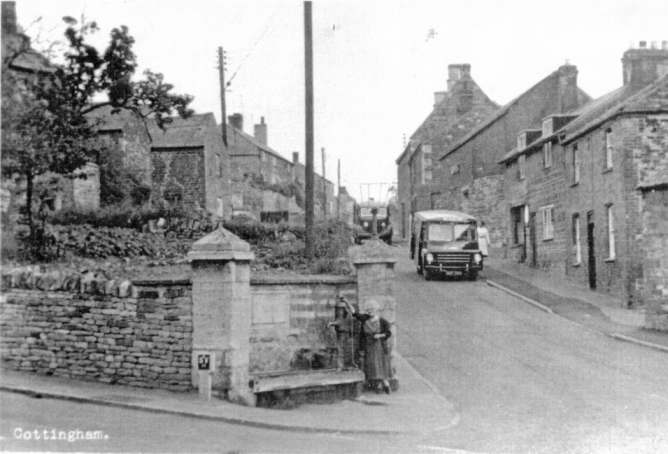
Two cottages up from the current shop was a Co-Op. This shop is shown on the right of the picture where Mrs Stapleton standing at the wellhead. The Yorks later purchased the Co-Op and the cottage below, and made it into one dwelling.
Laurie and Irene Beadsworth recall playing ‘shop windows’ on the corner of Corby Road in the 1950s. Says Laurie: “A group of us used to choose the name of an item from one of the shop windows, and then hide, leaving two lads behind by the shops. These lads would then try and guess what we’d chosen by shouting out ‘is it beans? is it candles?’ and so on. When they picked the right item, we all ran out from our hiding places and tried to get back to the shop without being tagged by one of the two finders.”
Nic Collins said: “I used to do a paper round for Geoff (Buckby) in the late sixties, £1 a week! One feature of the shop for kids was the ‘Tray’ which was kept under the counter and brought out on request so that we could squander our pocket money on penny chews and gobstoppers!!
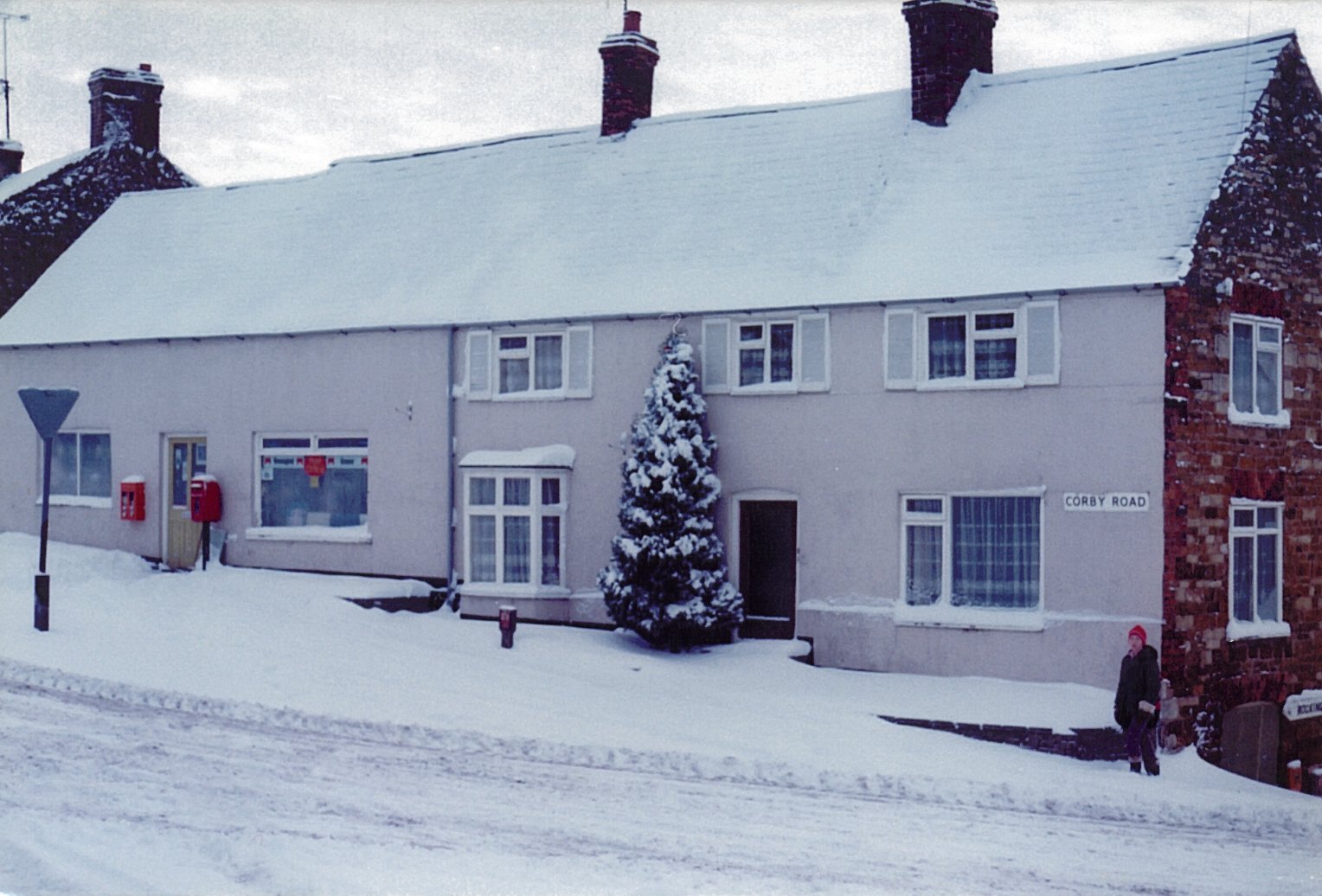
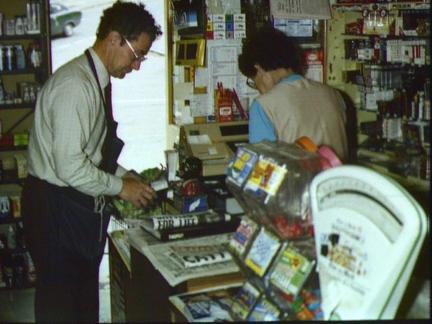
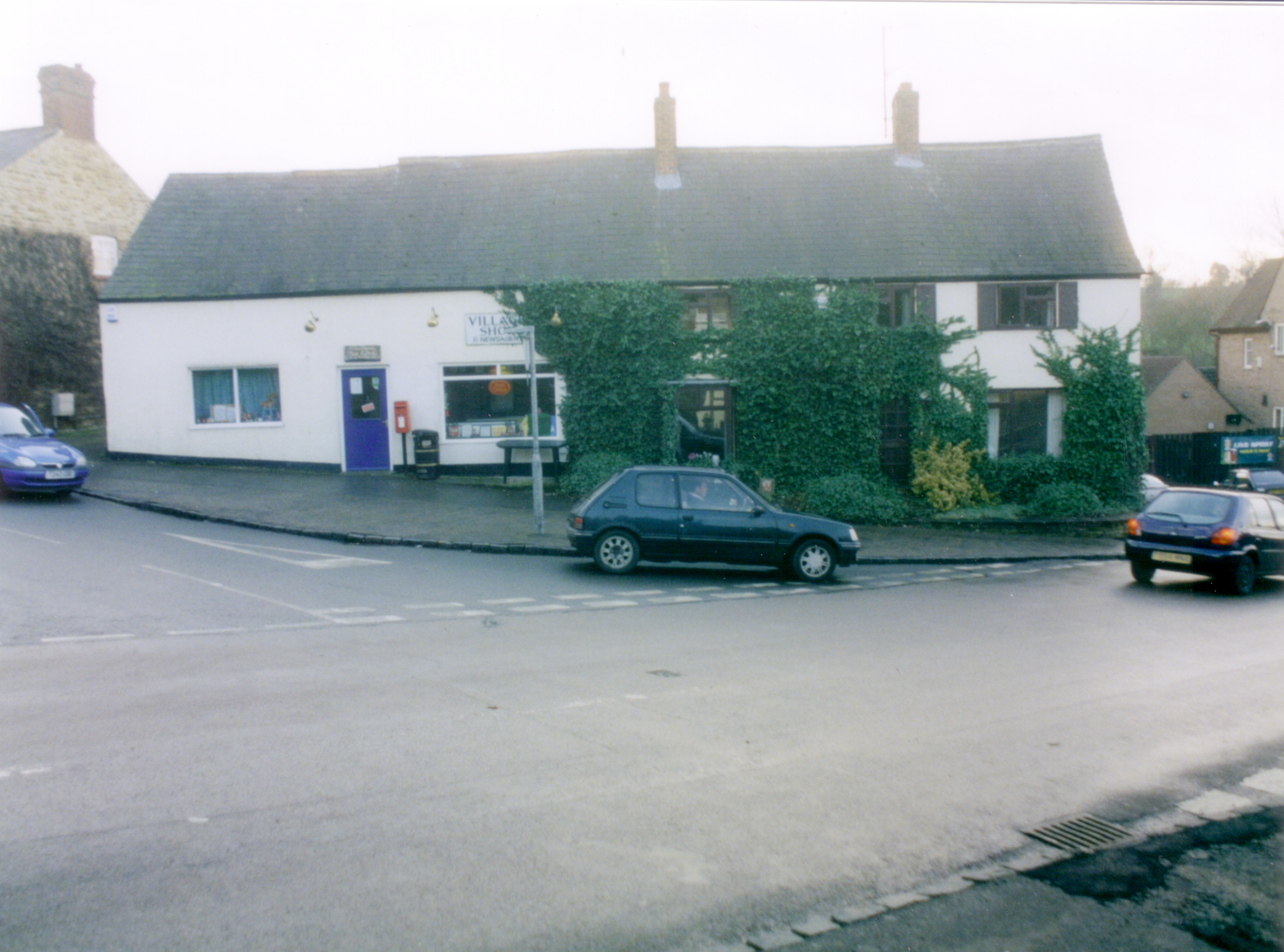
By the 1990s, the one remaining shop and Post Office on Corby Road was being run by Helen and Michael. When the couple moved on, the new owners could not keep the Post Office running. The Post Office closed around 2005/6 and the shop closed as a commercial operation not long afterwards. After the shop had been closed for around five years, 180 villagers purchased £11,000 of shares to fund a co-operative venture. The shop now operates as a community store and cafe, open seven mornings a week, with two paid staff and a team of amazing volunteers.
Shop, Bakery and Chippy at No.3 Corby Road

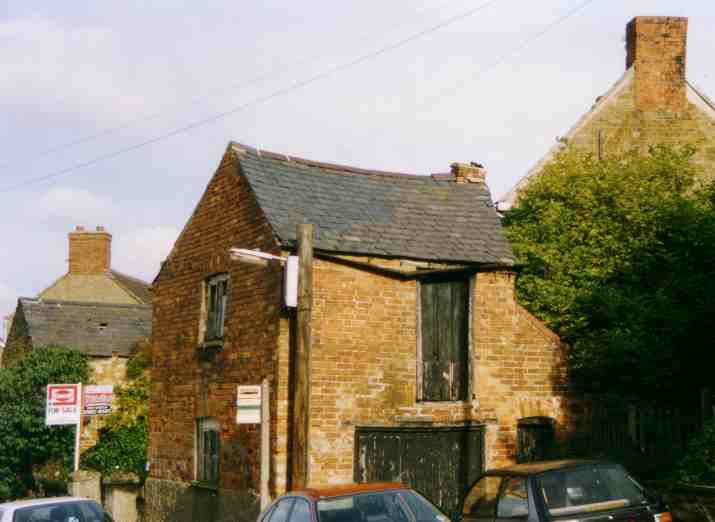
No.3 Corby Road (South View Cottage) and its outbuildings, which are located on the north side of Corby Road, have been home to a shop, a bakery and a chip shop over the years.
 From at least 1841 to the mid 1940s, there was a bakery in the renovated barn that stands in front of No.3, next to the bus stop. In 1841, the bakery was run by Henry Rayson and his wife Elizabeth, and in 1881 Henry’s daughter Elizabeth Rayson was running the bakery and a grocer’s shop with her nephew, also named Henry. In 1901, the bakery was being run by 53 year-old widow, Mary Aldwinckle and her cousin, James Carter.
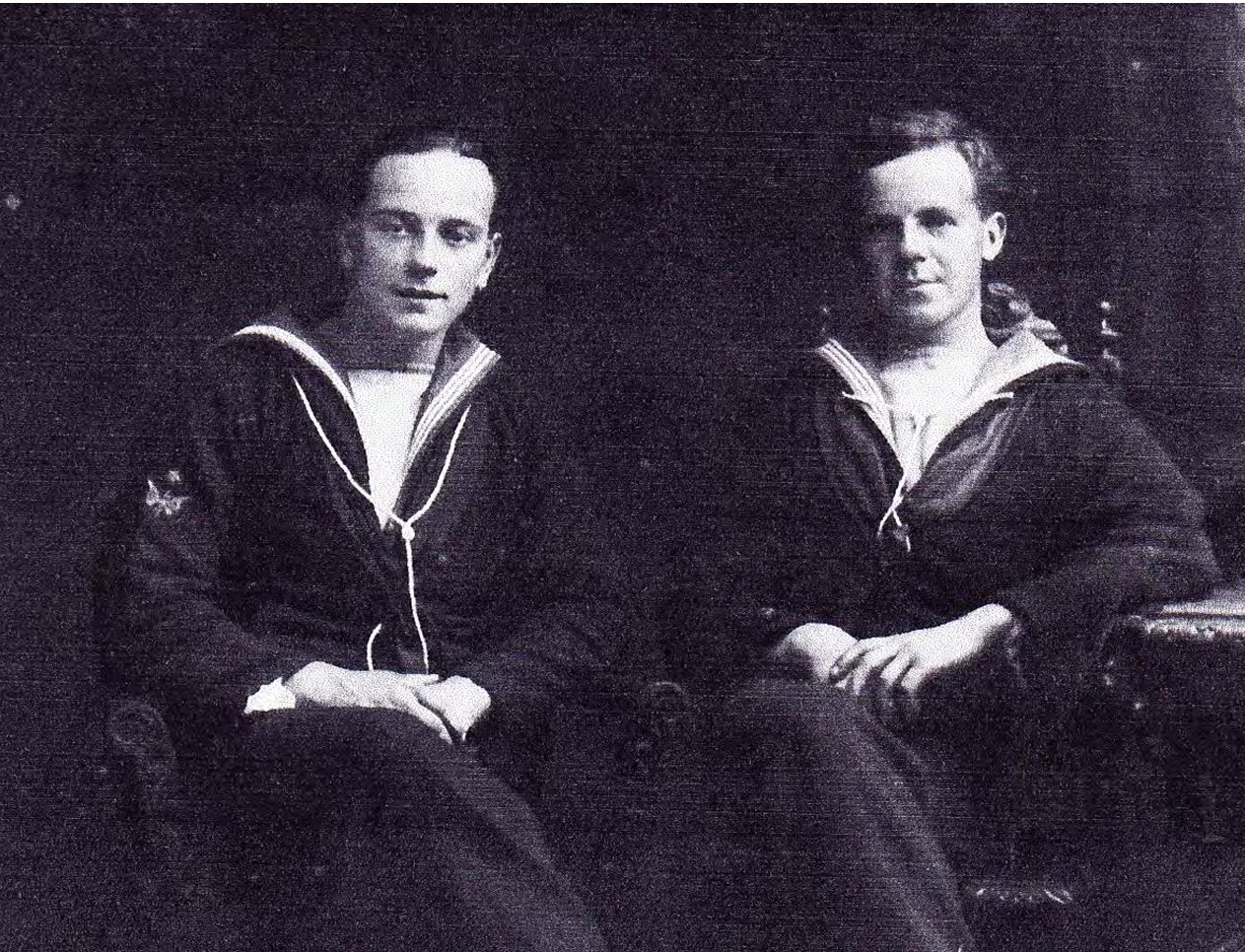
In 1911, the bakery was being run by Fred and Elizabeth Panter, with their son George William (Bill) Panter working at the bakery, delivering bread. Bill and his younger brother Wal (pictured left) served in the Navy during the First World. We are told that Bill was never the same after his War experiences, suffering from bouts of mental anguish, but he is spoken of with affection by his family and those who knew him. Wal went on to marry Ruby Jackson from the Royal George pub.
Joan Birka tells us that her father Fred Holmes was the baker here around 1928. Then after about two years, he bought the bakery on Church Street (see below).
For a brief period in the 1950s, the old bakery building was used as a fish and chip shop, run a couple of days a week by Sid and Rose Smith. “I remember ordering 4 pen’worth of chips and 6 pen’worth of fish,” says John Heathcote. “If you hadn’t any money, you would ask for a bag of batter bits.”
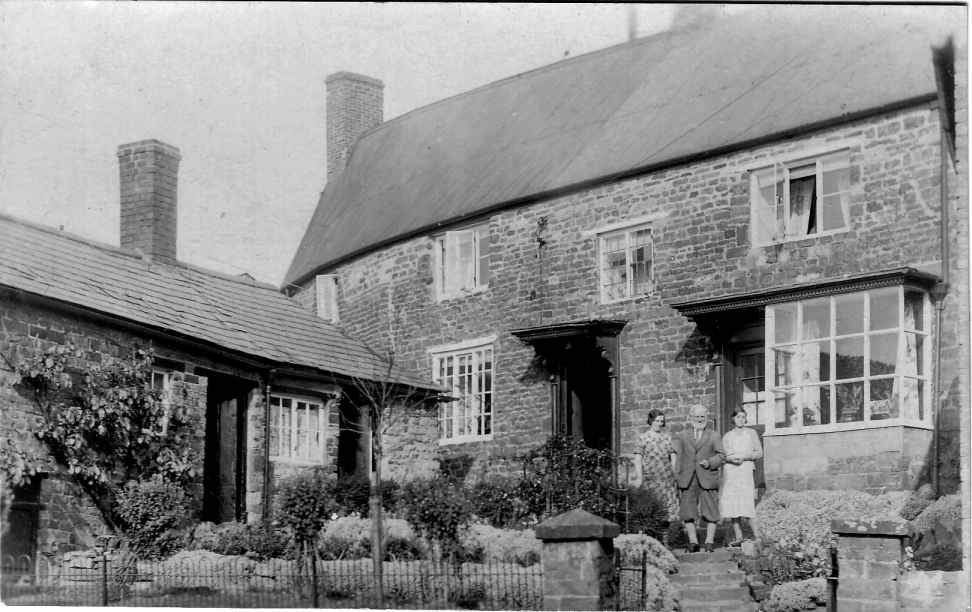
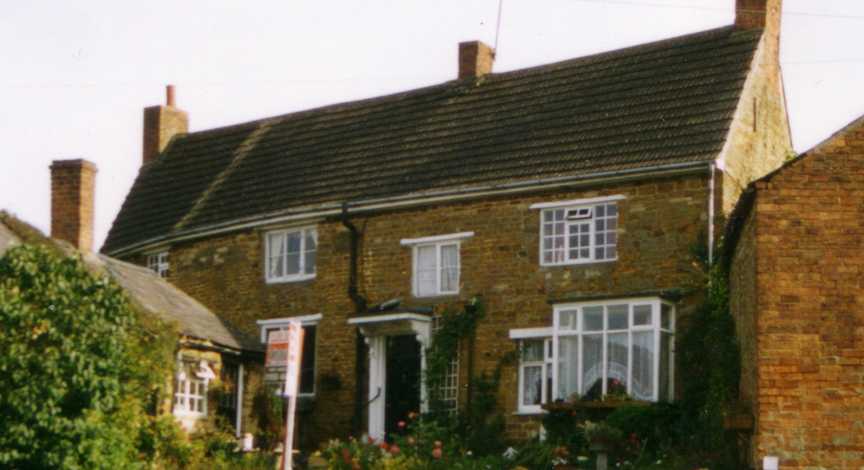
The shop was located at the right hand side of South View Cottage itself. Legal documents from 1931 record Martin Philpotts as ‘formerly a licensed victualler and now retired baker’, and Martin is pictured above in the 1930s with his daughter, Nell and granddaughter Mitch. The shop may also have been a drapery/clothes shop at some point. You can see the shop style square bay window front right and the door next to it that would have led into the shop. The bay window was still there in 1997, but the door had been turned into a small window. The bay was removed in the early 2000s.
Bidwell’s Bakery
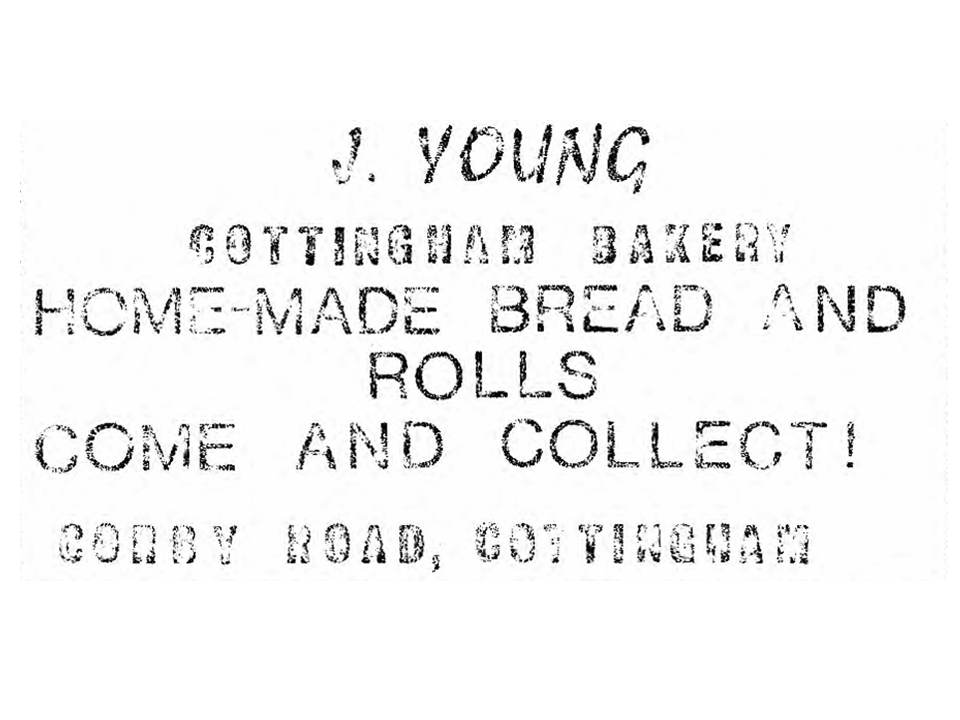
Many villagers remember Bidwell’s Bakery, run by Peter and Mary Bidwell from the house now named The Granary on Corby Road. Mary tells us that Peter actually started baking in the old barn at 3 Corby Road before moving into the house opposite in the 1940s, and setting up a bakery there. He baked in this house (which he named The Old Bakehouse) for around six months before moving across to The Granary, where he baked until he passed away in 1977. The Granary was originally a single storey building, with a flour store above and, during this time, the Bidwells continued to live in the Old Bakery. After Peter died, Mary rented the bakery out to a Corby company called Youngs, who continued to bake at The Granary for a time. We are told that Youngs’ bread wasn’t nearly as good as Peter’s though!
A number of villagers can remember taking their Sunday roasts and Yorkshire puds down to be cooked at Bidwell’s bakery.
 David Dodd, who lived on Frog Island, Rockingham Road in the 1940s, recalls: “Cooking in most houses was on a built-in range – a cast iron oven next to the fire in the living room. However when it came to the Sunday roast, outside help was sometimes required. Whether it was because the joint was too big for the oven, or the weather was too hot to tolerate a fire, or maybe it was cheaper – Sunday morning about 10.30 usually saw a few people cautiously heading towards Bidwell’s bakery in Corby Road, baking tray in hand, determined not to spill the sloppy Yorkshire pudding. ‘Be sure to keep it level going down the hill’, I was told. When fetching the cooked joint an hour or so later the instruction was ‘don’t put it down on the ground – a dog might get it!’.”
 Hilda Lavery (nee Beadsworth) also remembers the trek down to the Corby Road bakery on Sundays, saying: “Nobody had an electric oven back then. Around 10 o’ clock on a Sunday we used to take the meat, a big jug of Yorkshire pudding mix and a bucketful of peeled spuds down to the bakehouse for cooking. It used to cost 2d! Then, at 2 o’ clock, us kids would go and bring the dinner back.”
Nicola Tyldesley says: “l used to go up every day to get fresh bread. That place smelt divine and Mr and Mrs Bidwell were so kind. Occasionally they would slip in a tiny roll for me, which l would eat before l got home.”
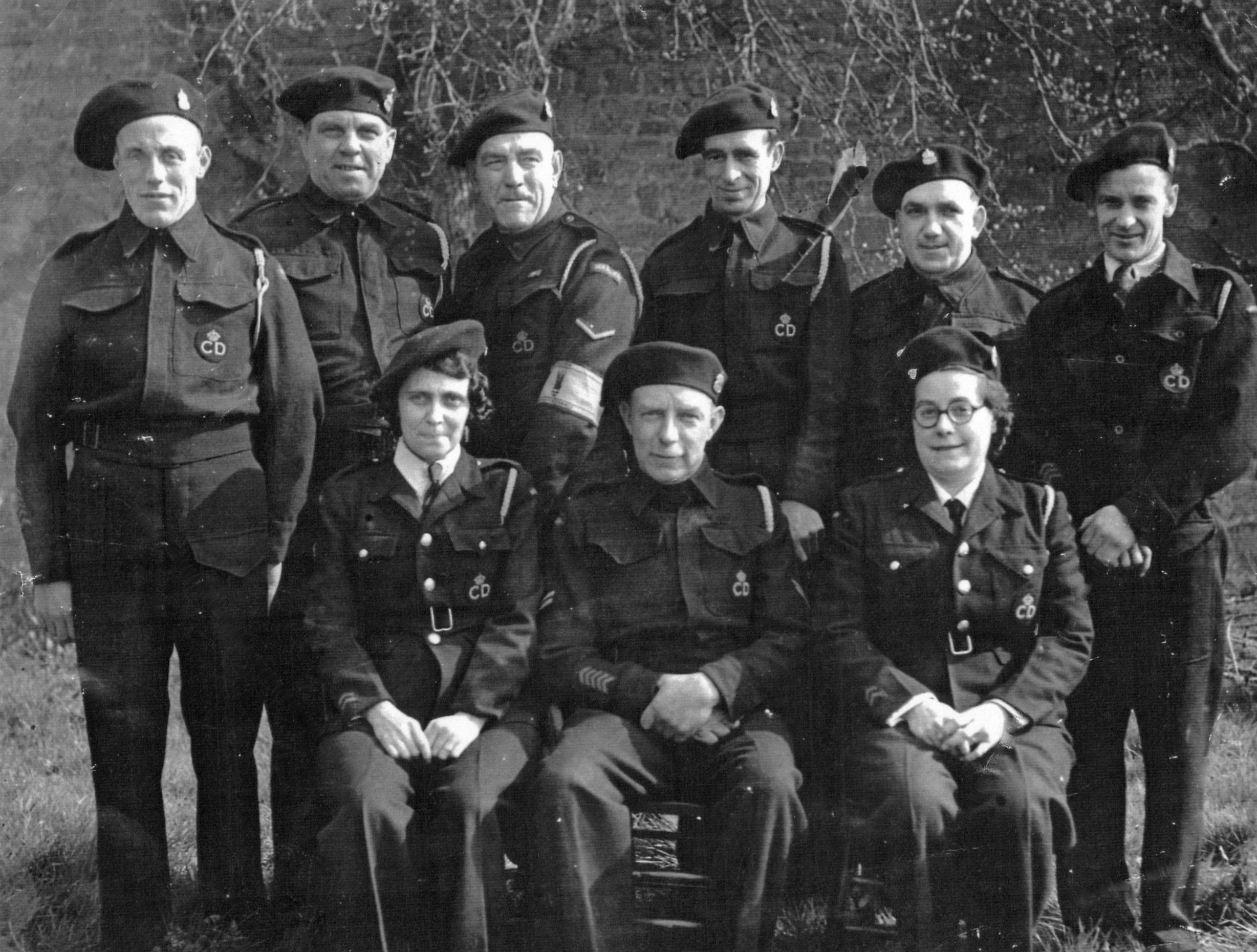
The Smiths and the Bidwells were all ARP wardens during the war. Story goes that, one day, Sid’s taxi fell into a ditch and that local character George ‘Sketch’ Patrick (who purportedly weighed some 22 stone) put his back into it and lifted it clean out! You can see some of these village characters in the picture below.
Church Street
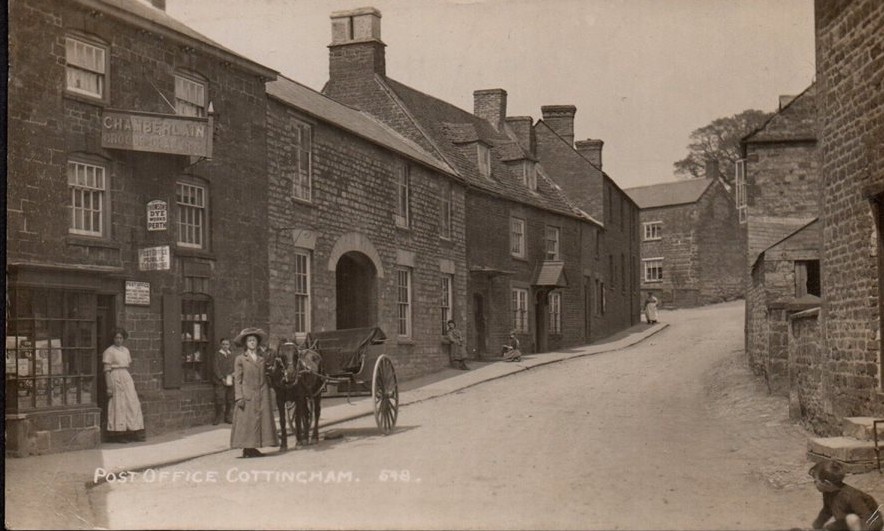
From at least 1841, there was a Post Office, grocers and drapery store on Church Street, named Chamberlains after the owner, John Chamberlain. The shop stayed in the family for three generations, being taken over by his son and then grandson, all of whom were called John. Grandson John Henry was a village copyholder.
The shop used to sell loose macaroni and other foodstuffs from wooden boxes, done up in a paper bag to take home. There is still a large wheel with hooks in the upstairs room at the old shop, which was used to hoist up sacks. Somewhere between 1907 and 1914, Chamberlains started to provide a telephone ‘to place calls within a limited distance’ (1914 Kelly’s Directory).


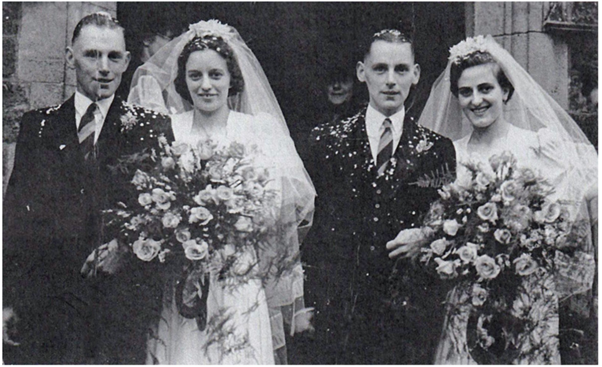
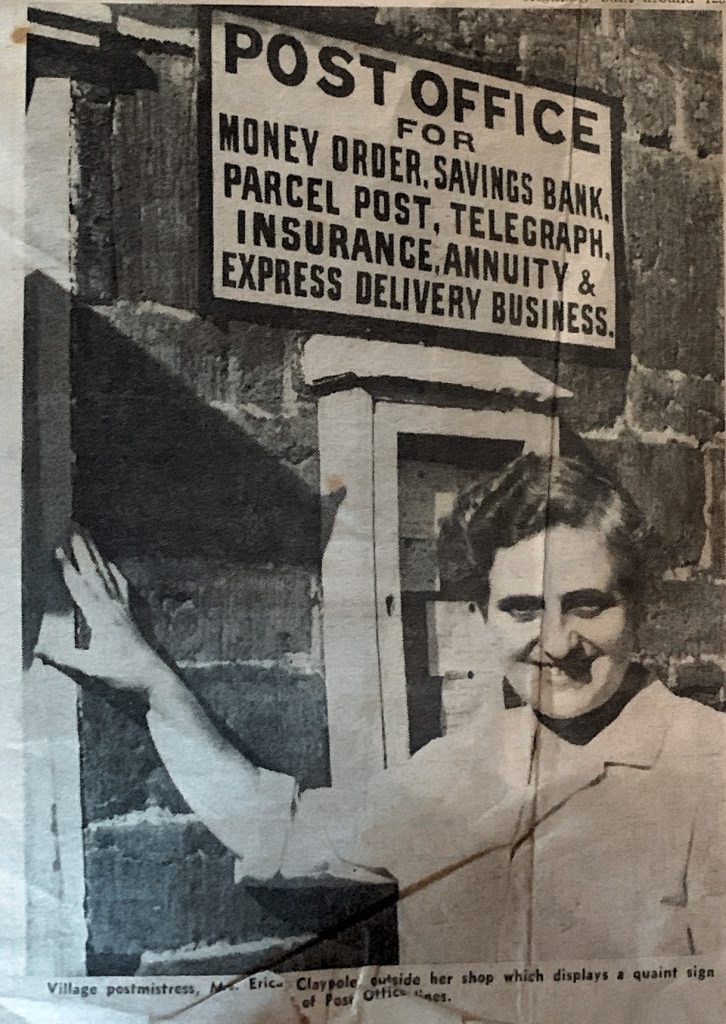
In the 1960s, the shop was run by Erica Claypole (nee Ward), the wife of Ron Claypole. Twin brothers Ron and Reg Claypole, both farmers, married in a joint ceremony at Cottingham Church in 1941, with Reg marrying Grace Evelyn Licquorish. Ron, a church bellringer, died on 10 October 2001 aged 86 and Reg passed away on 5 February 1987, age 71 and is buried in Cottingham Churchyard.
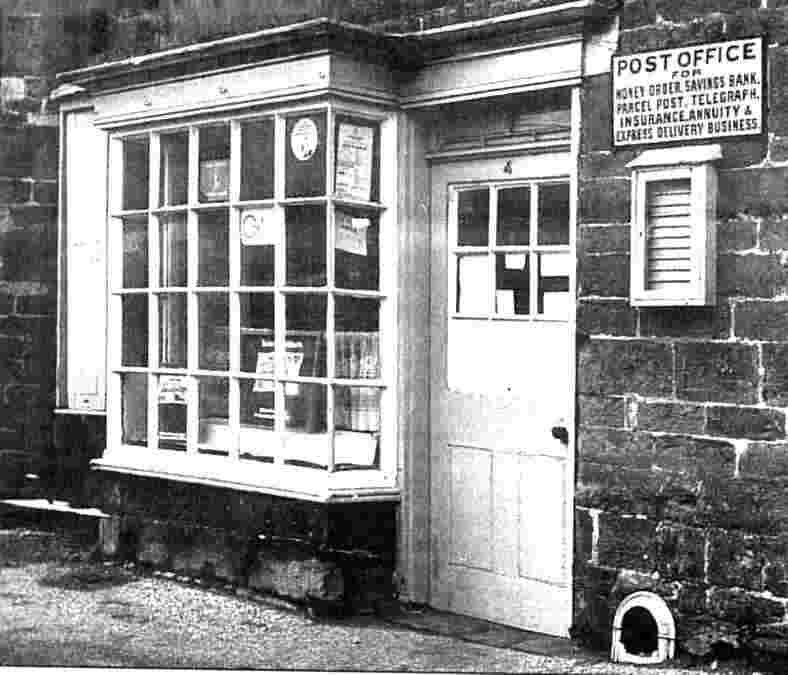
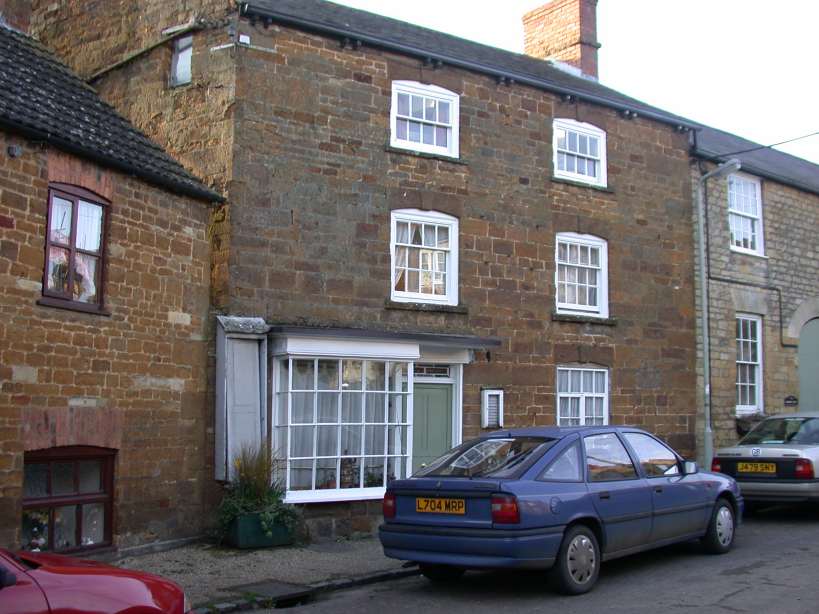
Walking down Church Street towards the church, you can still see the shop window on the right hand side.
Chamberlain’s Yard and Bakery
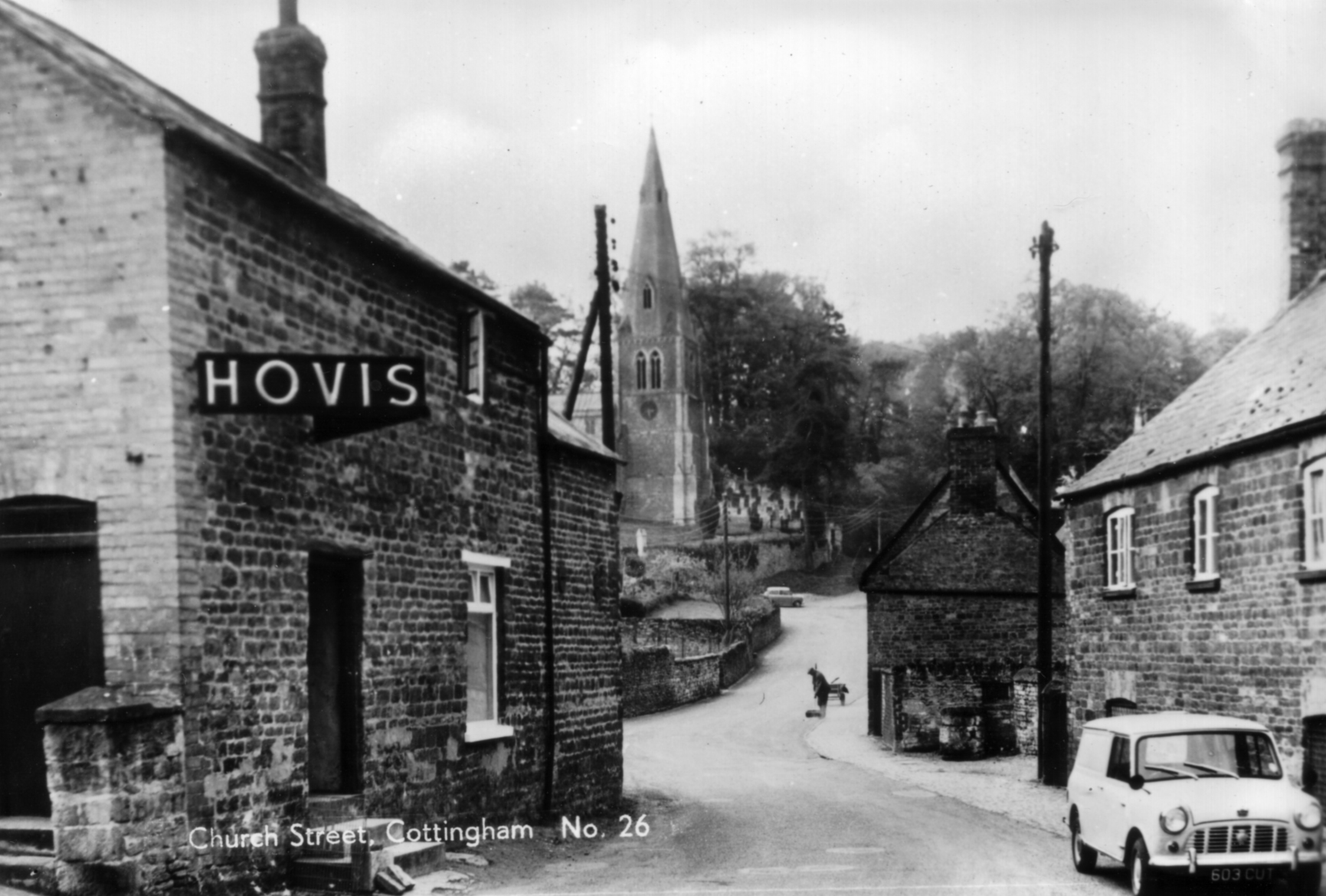
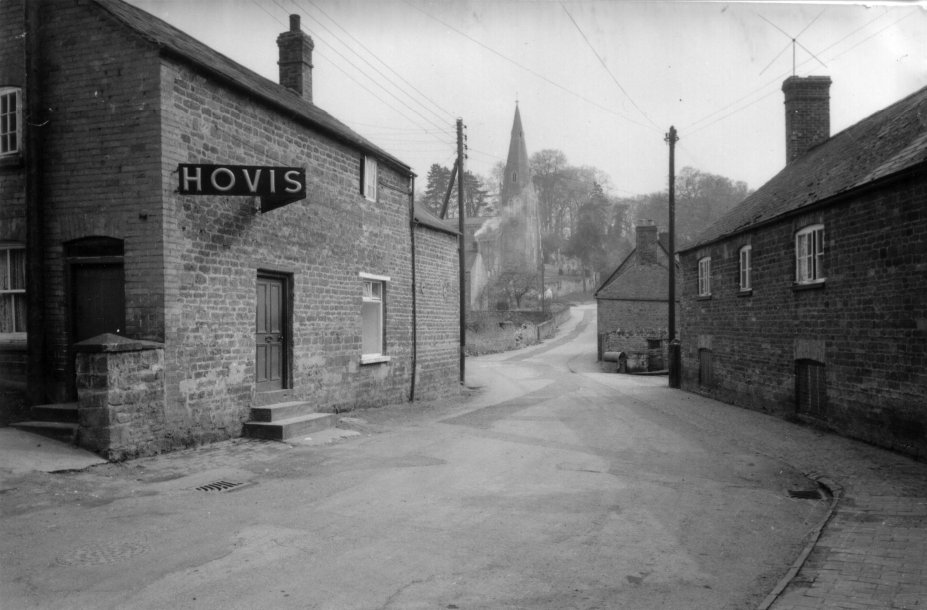
The land and buildings on the opposite side of the road from the shop were known as Chamberlain’s Yard, which served the King’s Head coaching inn opposite. The 1841 Census records a baker named John Parker living in King Street, which later become Church Street., and the baker in 1901 was Ernest Chamberlain.
Joan Birka tells us that her father Fred Holmes was baker in the Church Street bakery from around 1928–1944. She says: “He was a good baker and delivered bread to Caldecott, Rockingham (including the Castle), and to Corby, as well as his customers in Cottingham. the highlight of his business was when Lady Culme Seymour from Rockingham Castle came to see him unexpectedly to see ‘that baker who baked such wonderful bread which her guests always complimented her about’.”
The bakery operated until the 1960s with the last bakers being Mr Downton followed by Mr Ding. The bakery building is still there and is named The Old Bakehouse.
High Street
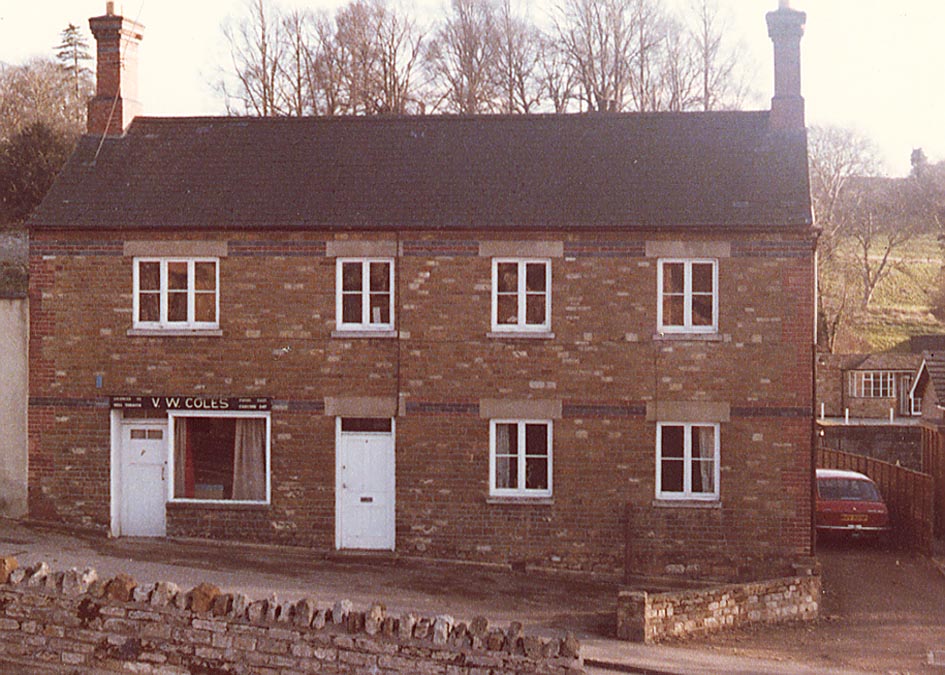
From 1914 until 1978, there was a shop at No.9 High Street – the last remaining cottage before the turning for the Hunting Lodge. This was previously The Three Horseshoes pub.
The 1881 Census lists two grocer’s shops on High Street – run by Henry Damms and Edward Spriggs, although we can’t be sure if either were in the same location.
Main Street, Middleton
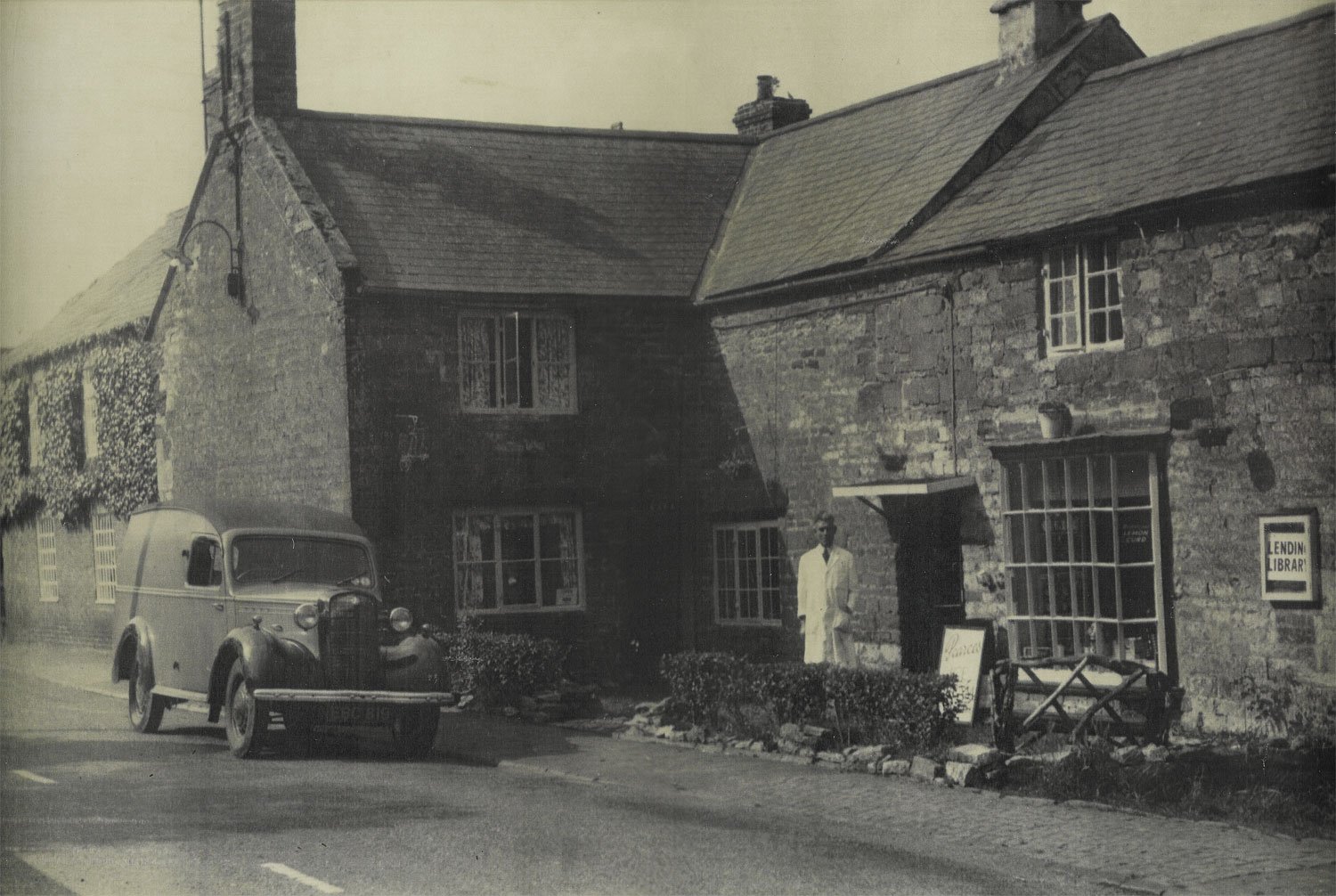
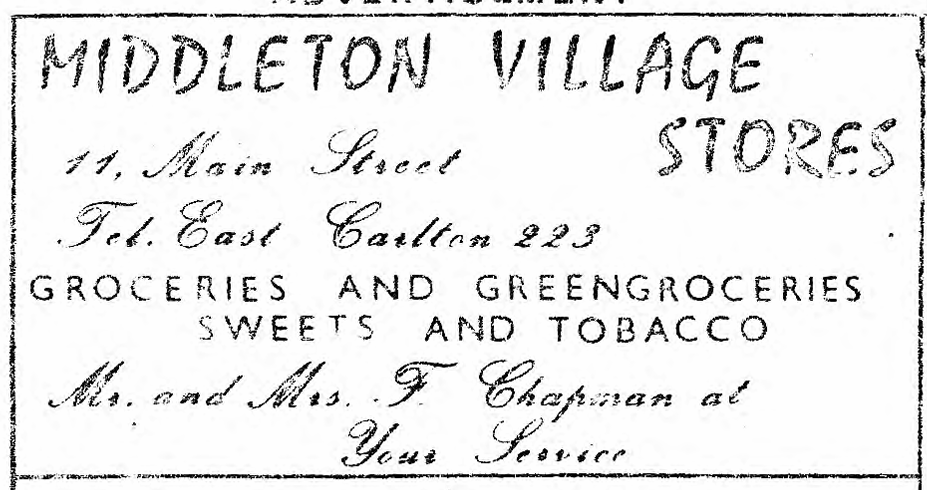
Built in the 17th Century, Willow Cottage at No.11 Main Street has been home to a merchant’s store, a lending library, a cafe and Post Office, with the village bakehouse located in the yard behind it.
From the 1920s to the mid 1940s, John Bernard Campbell (J.B), was renting the bakery and was also running the Old Red Lion pub with his wife Catherine. The Campbells later moved into the house next to the bakery and lived there until john died in 1947.
A 17 year old Walter Campbell worked with J.B. at the bakery for six months after leaving school. He tells us that the bakery was a two storey building in a yard behind Willow Cottage, with the bakehouse on the ground floor and a flour store above where flitches of bacon and hams were also dried after being salt-cured. These were the end products of cottage pig sties.
The oven had to be lit every day to keep it in working order and, as the oven needed to be kept warm for Monday’s batch of bread making, they cooked Sunday dinners for locals who had no ovens in their homes.
“They would bring their baking tins with a joint of meat sitting on a trivet in the middle and a jug of batter about 10am,” said Walter. “At the appropriate time, the baker slid the tin into the oven, basting it if it was poultry and would pour the batter into the frizzling fat just before lunchtime. The result was our version of Yorkshire pudding, fluffy around the outside of the tin and thick solid yellow and full of fat in the middle. Gorgeous! The owners would arrive at 12.50pm, pick up two wads of newspaper for heat resistant gloves and walk off down the street with the family dinner. We charged 2d (less than 1p) a time for that.
You can read Walter’s detailed description of the old brick baking oven and the baking process here.
Pat Aldaya tells us she would go as a child in 1945 to watch Mr Campbell taking loaves out of the brick oven with his long handled wooden ‘peel’. The entrance to the bakery was through a 400 year old wooden door at the back of the chop and down a couple of steps.
Mr Campbell used to deliver bread with a horse and trap but eventually decided to buy a motor van. He didn’t know how to drive at the time but, after one driving lesson from one of the Adam’s brothers at the local garage on The Hill, he was away.
Walter tells us that Henry Burgess owned the house and bakery with a rent of £40 per annum (80p a week). “That doesn’t sound much, but you could rent a terraced cottage for 11 shillings (55p) per week,” said Walter. “That puts it into context. It was quite a high rent, and of course Henry Burgess did no repairs. If the roof leaked or the windows wouldn’t shut, you either fixed them or put up with it. An old fashioned landlord. Owned a lot of village property and was a law unto himself.”
Mr Jordan (pictured above) took over as shopkeeper in the late 1940s. In the corner of the house you can just make out a door with the word Café over it. There is a sign for a lending library. The property was rented for most of its history until 1970 when Mr & Mrs Chapman bought it for £21,981. The shop closed in 1978.
With thanks to Walter Campbell and Pat Aldaya for this information.
Post Office and Co-Op
The 1903 Kelly’s Directory records Samuel Bottrill as a baker, shopkeeper and Post Office. Before that (in 1890), the trade directories tell us that there was only a wall post box in Middleton. It would seem likely that this was on the Willow Cottage, but we can’t be certain.
Pat Aldaya tells us that there used to be three or four shops in Middleton in the 1940s, including Mrs Spriggs’ shop at number No.23 (Michaelmas), and a shop and Post Office through the archway on Main Street, next to No.50.
Belinda Key remembers there being a Co-Op in a building to the left the Pocket Park on Main Street in the 1970s. This later became a hairdressers, Country Cuts.