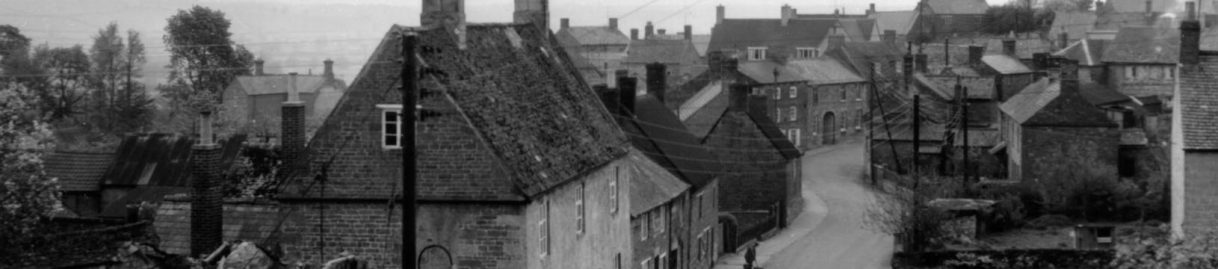
In the 1841 Census, Church Street was known as King Street, most likely after the King’s Head pub that used to stand on the street. Water Lane was Church Lane. The street names had changed to Church Street and Water Lane by the time the 1901 Census was taken.
On the corner of Church Street and Water Lane (where the cars now park in front of the church) used to be a wash pond fed by one of the many natural springs in Cottingham. With the pond being shallow at each end and deeper in the middle, carts used to drive through it to wash their wheels, and it also provided drinking water for horses. The pond has clearly been filled in, but the spring is still running, now into a water trough.
Church Street
The first four pictures below show Church Street, viewed from the Church. It is remarkably unchanged considering the major changes that have been made elsewhere in the village.
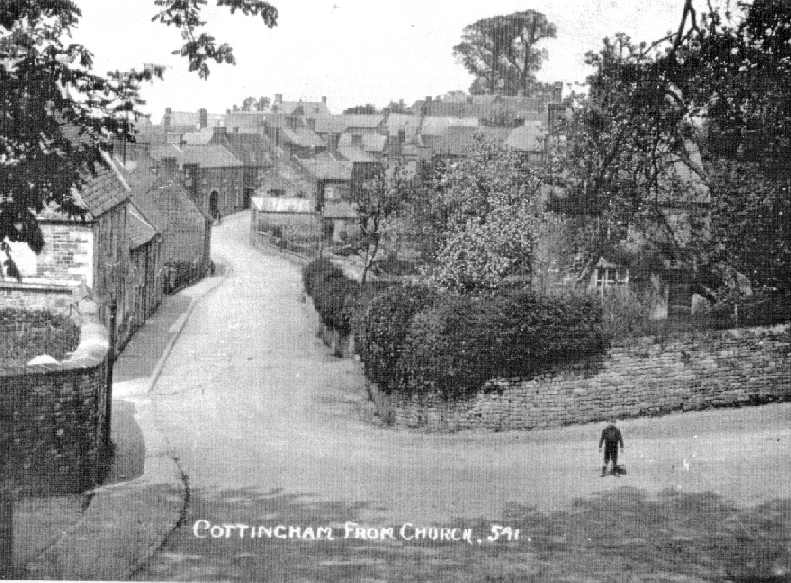
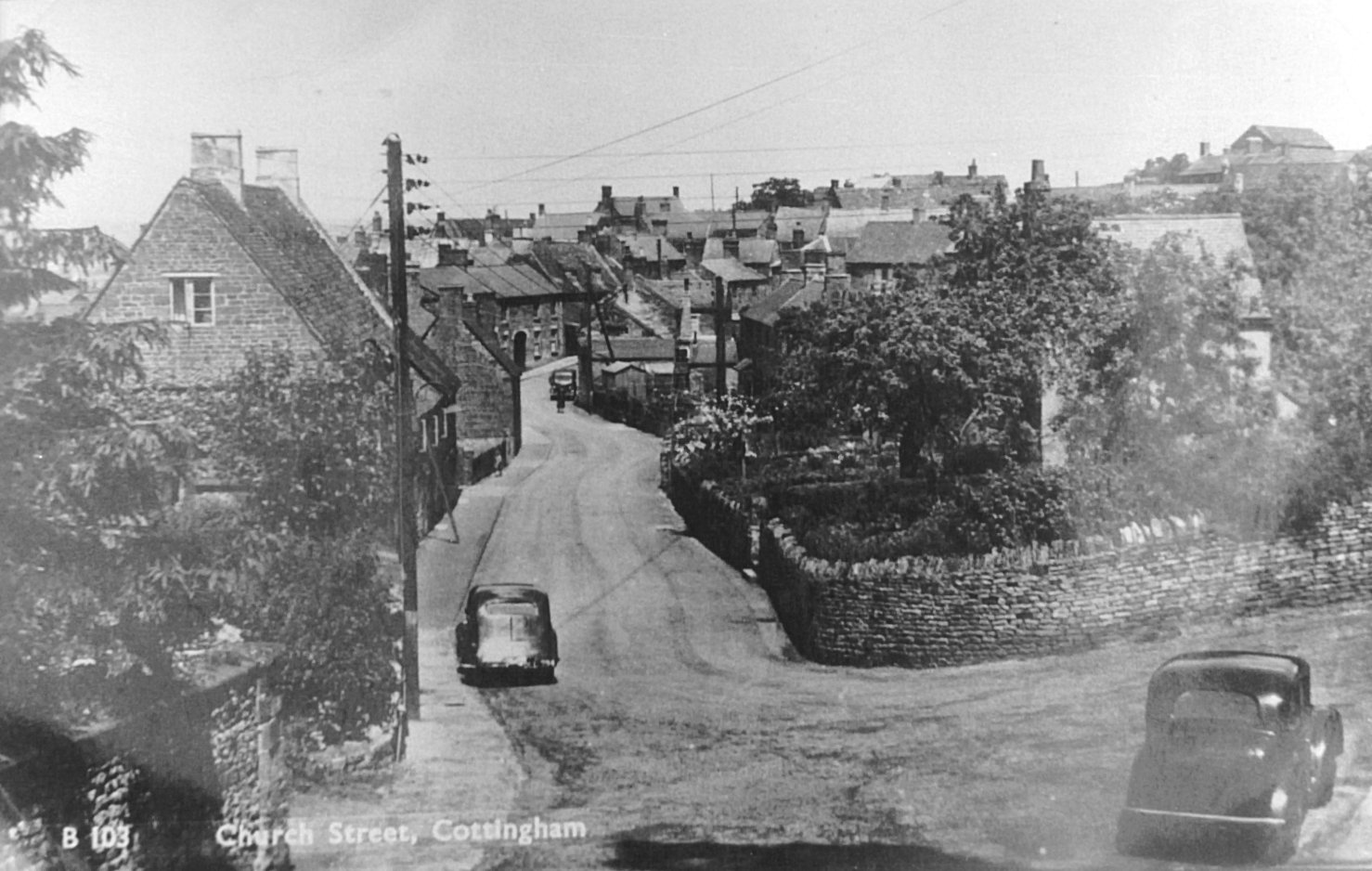
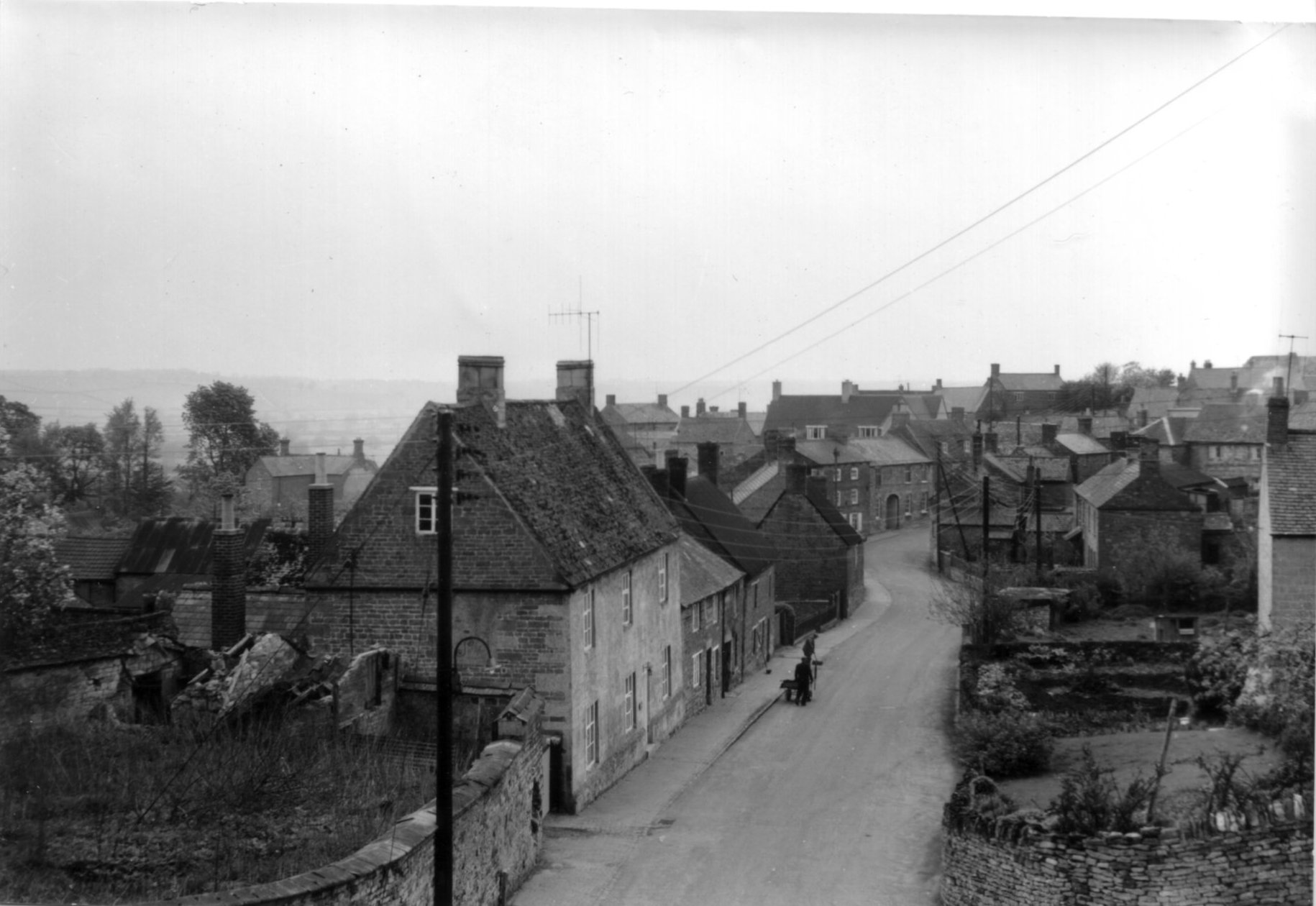
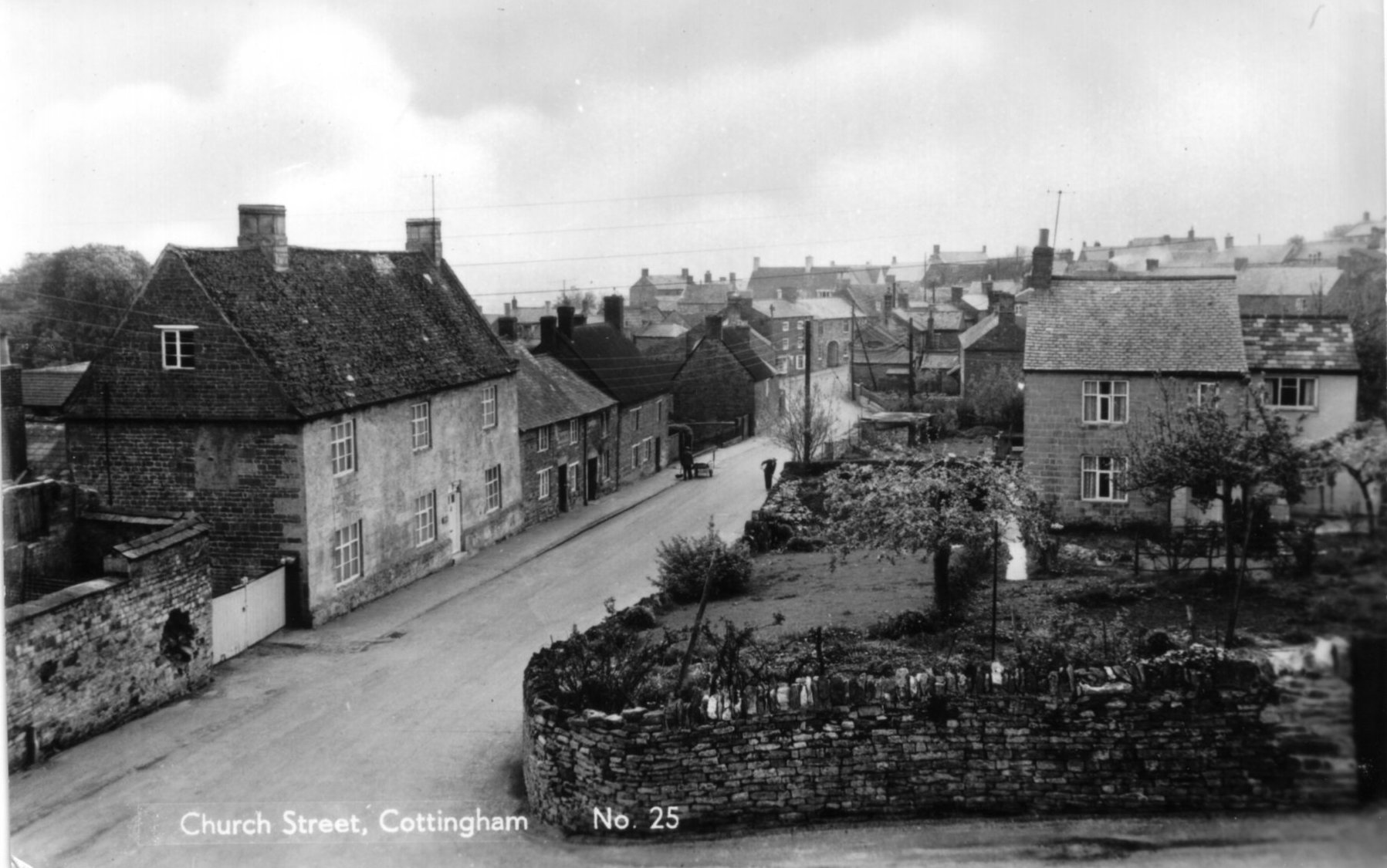
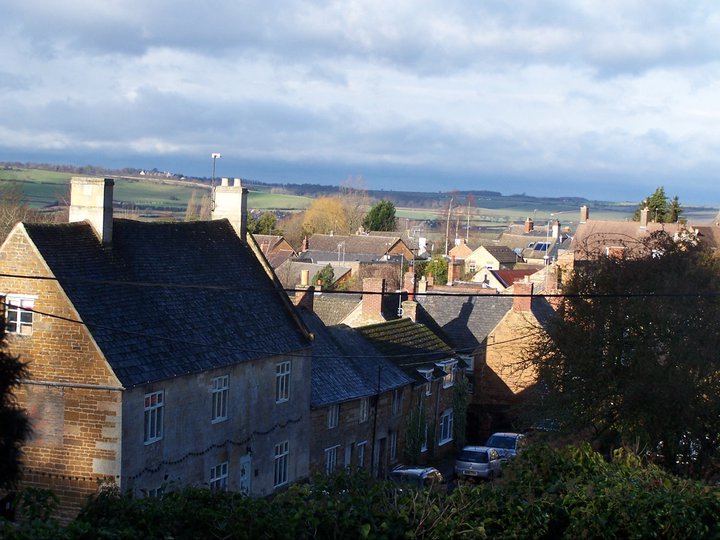
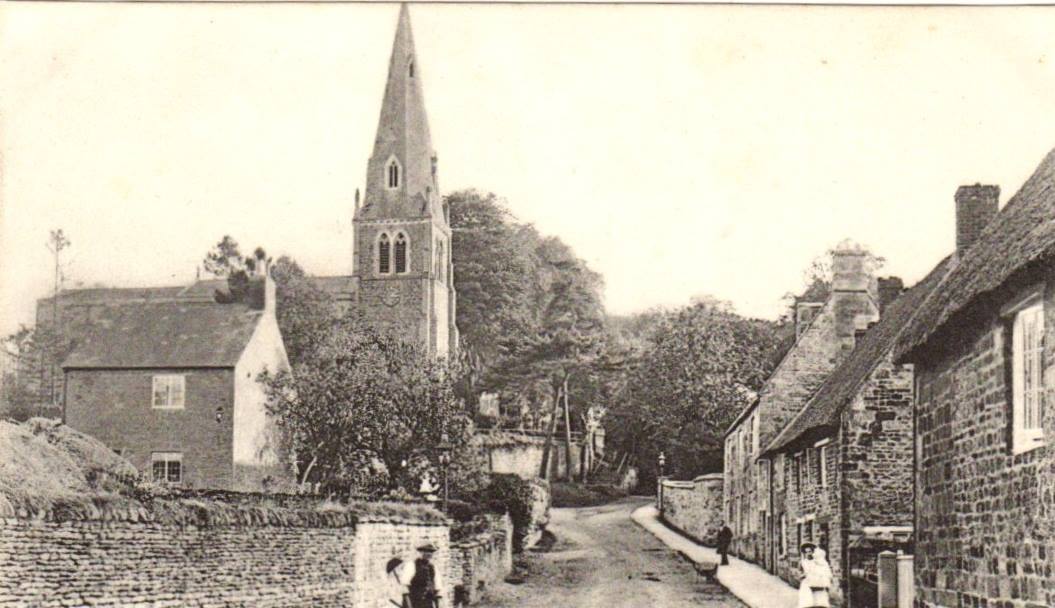
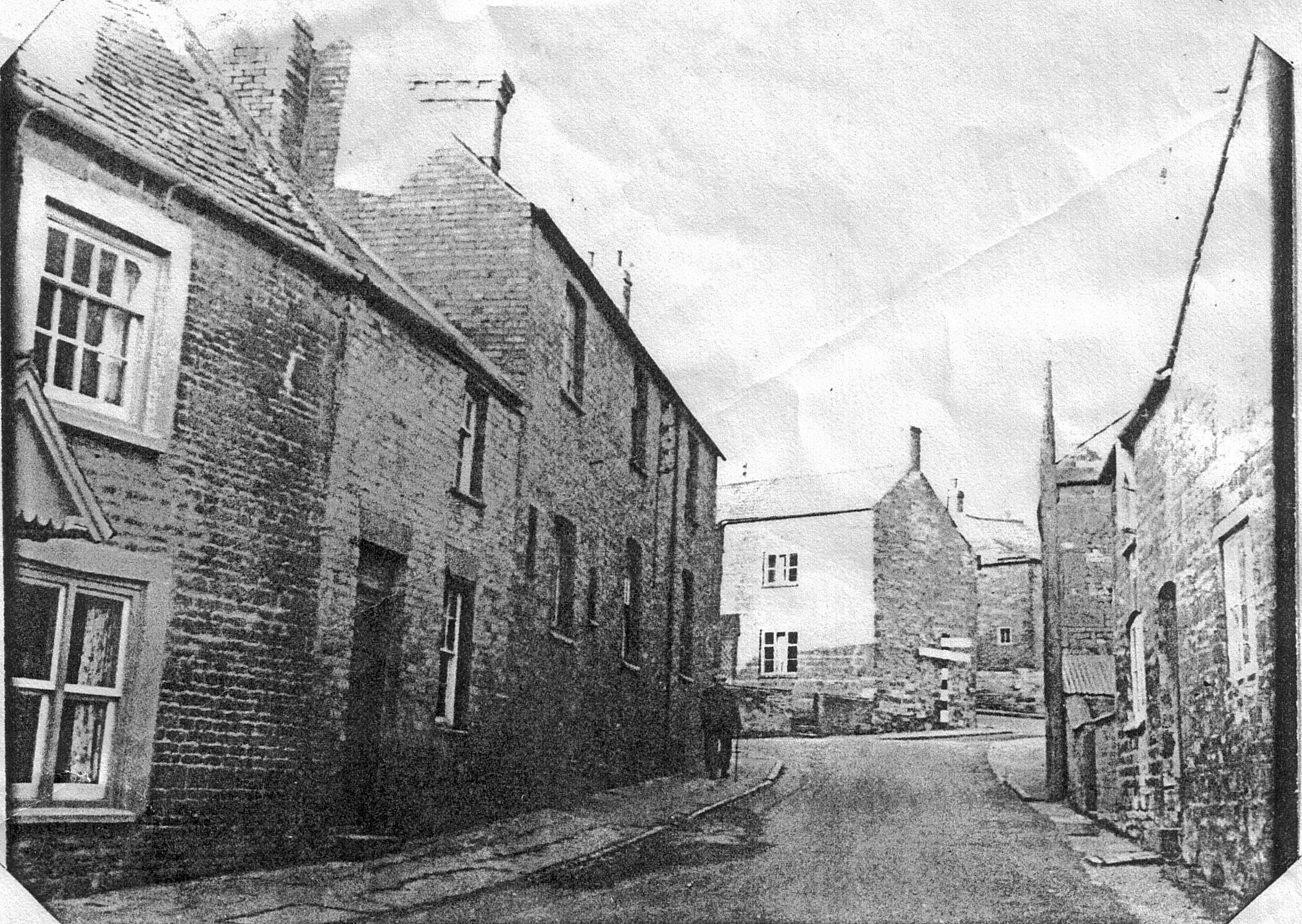
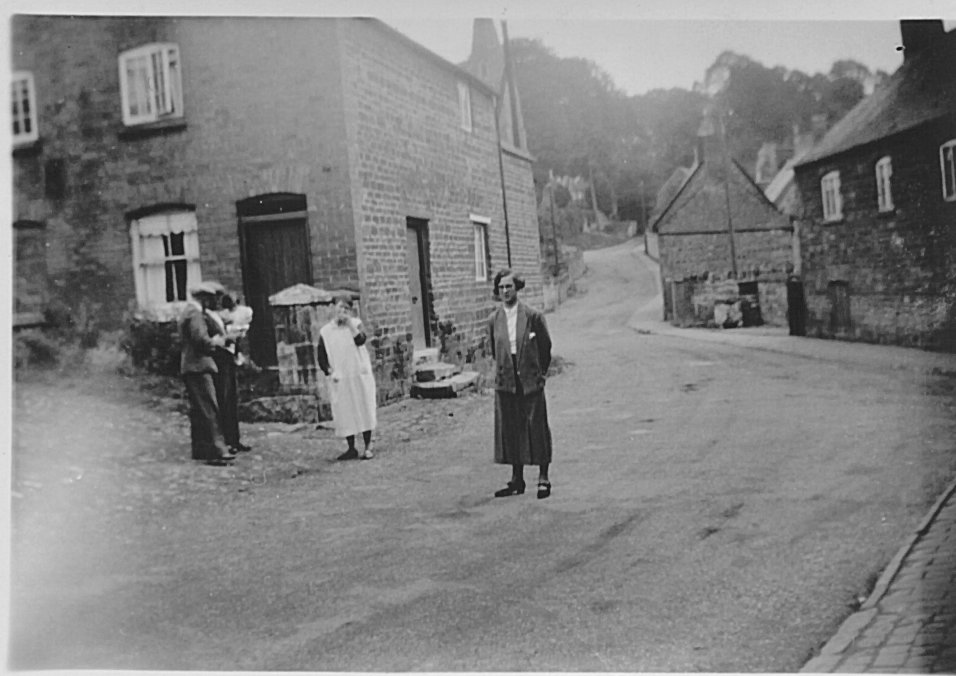
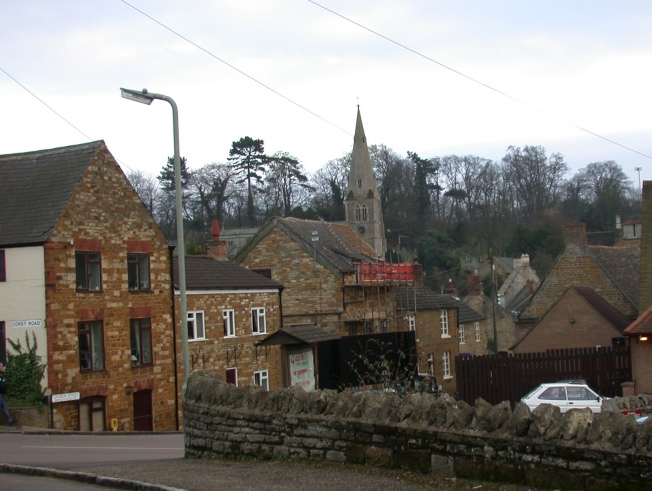
The third picture shows the other end of Church Street, with the Manor Farmhouse and the Crown Inn in the background.
If you look carefully you can see a small corrugated roof on the right hand side. This was a shared toilet used by Mrs Licquorish who lived in the cottage just in front of the shack (with the window open) and Nance Bradshaw who lived in the ‘one up-one down’ cottage on the opposite side of the road.
In 1901, there was a post office/grocer’s store named Chamberlains, and a bakery located in Church Street.
The Old Rectory
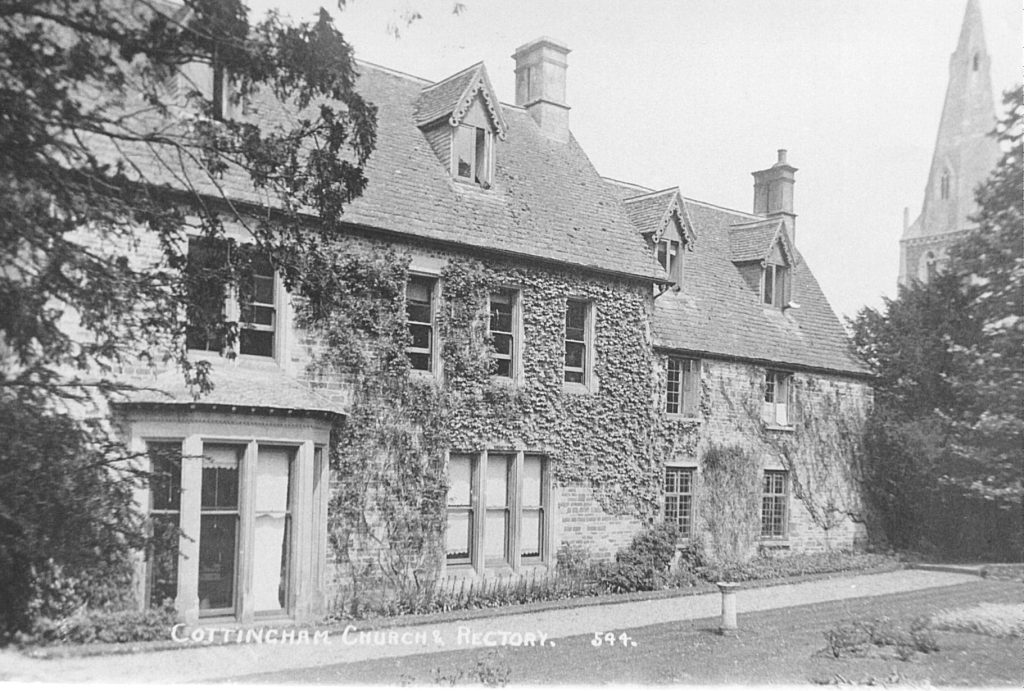
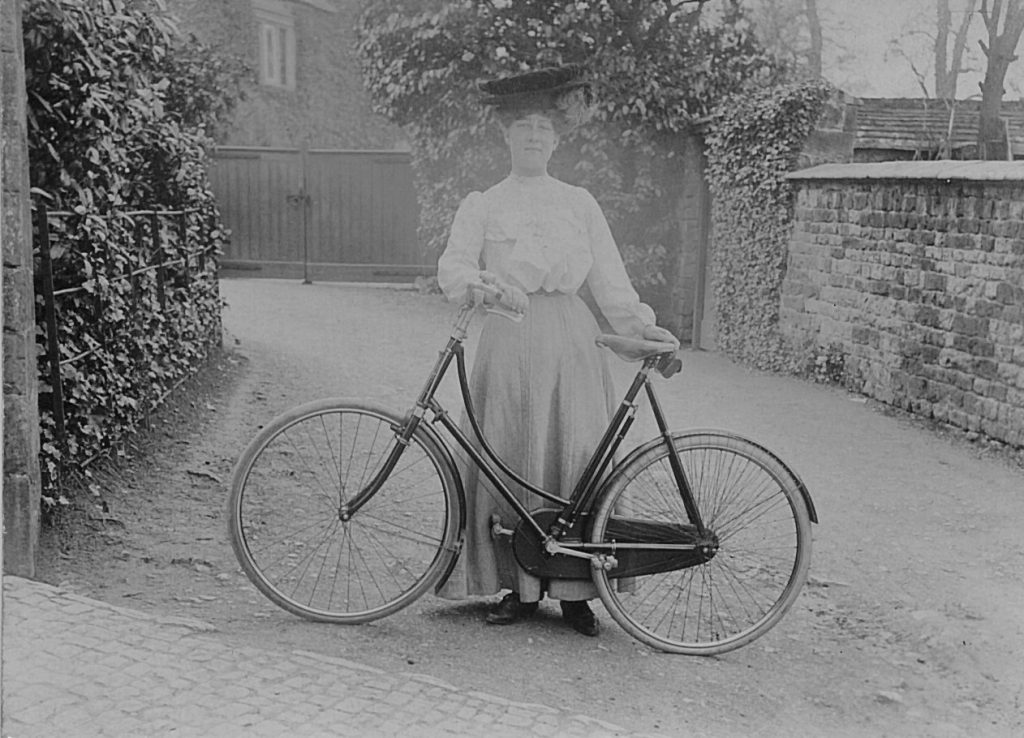
The Old Rectory sits at the top of Church Lane, on the right hand side opposite the Church. In 1901, the vicar for Cottingham was the Reverend William Millington, who lived at The Rectory with his wife and one daughter, employing three live-in servants – a housekeeper, a cook and a page boy. The lady with the bicycle is Mrs Roberts, Mother of Rev G.W. ‘Glop’ Roberts, who was a previous vicar of St Mary Magdalene Church.
Water Lane

Water Lane houses some of the oldest cottages in the village, dating back to the 13th Century. A former stonemason’s house at no 11 (formerly known as Stoneways) includes a piece of decorative stonework dated 1863.
This picture shows Water Lane viewed towards Church Street, with the pathway up to the church on the left. The little boy with the scooter on the right is Bernard Beadsworth.
The remains of a c17th Century limekiln are located in the field at the end of Water Lane.